John Fetterman casts deciding vote against limiting Trump's war in Iran
The Pennsylvania Democrat has voted repeatedly to support the war. With a few Republicans deflecting, it was now the first time his vote was decisive.

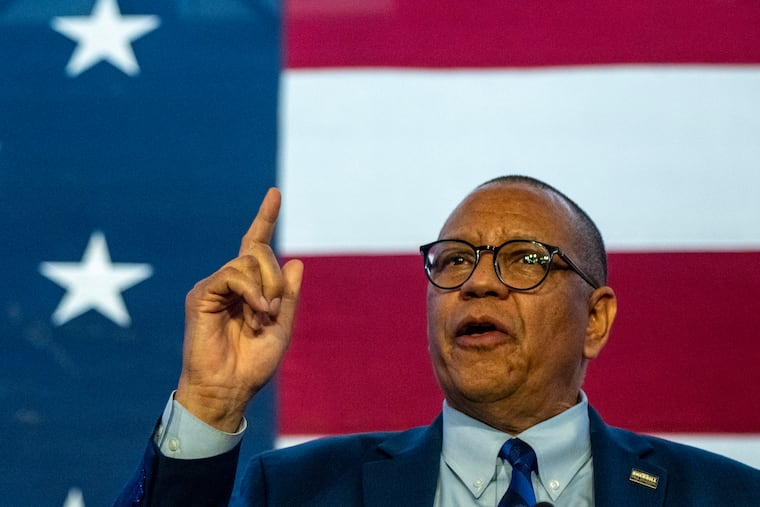
U.S. Sen. John Fetterman (D., Pa.) on Wednesday cast the deciding vote against the latest effort to limit President Donald Trump’s ability to attack Iran — the seventh such time he has broken with his party since the war began but the first time that Republican defections made his vote decisive.
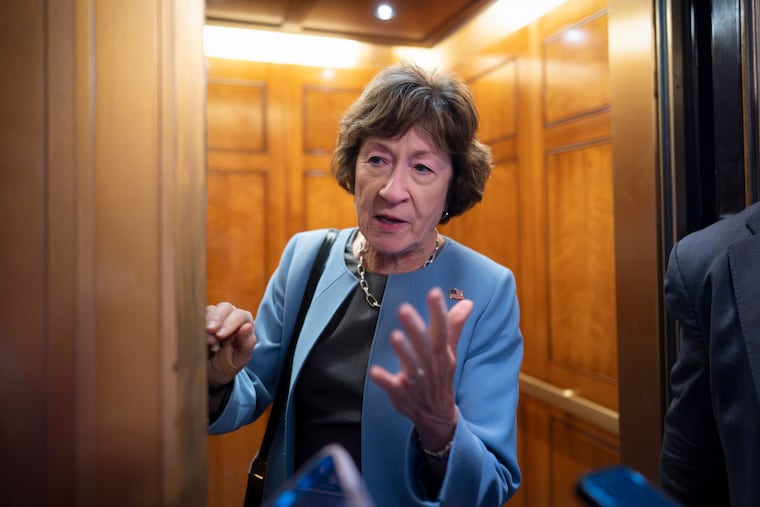
The war powers resolution failed, 49-50, as the Pennsylvanian was the only Democrat to vote with Republicans who control the Senate. Three Republicans — U.S. Sens. Rand Paul of Kentucky, Susan Collins of Maine, and Lisa Murkowski of Alaska — voted with Democrats.
The vote comes less than a week after Fetterman published a column in the Washington Post pushing back on speculation that he may switch parties after a string of high-profile disagreements with fellow Democrats.
Fetterman has not wavered in his support for the war that Trump unilaterally launched Feb. 28.
He has said repeatedly that the attacks were warranted in order to prevent Iran from developing a nuclear weapon and to dismantle the country’s theocratic regime, though the regime remains in place under new leadership and reports indicate Iran still has military capabilities.
Other Democrats have argued that the war is illegal and that it was not spurred by an imminent threat to Americans. They have successfully initiated multiple votes — which any individual lawmaker can do under the 1973 War Powers Act — on resolutions to withdraw U.S. forces from the region.
The Senate vote Wednesday was the first since a deadline earlier this month that the 1973 law also indicates should mark the withdrawal of forces unless Congress specifically authorizes the conflict. Democrats and some Republicans have said the 60-day marker is legally binding, though the president has continued to manage the conflict unimpeded since it passed.
Both Murkowski and Collins have previously emphasized the importance of that deadline and voted with Democrats for the first time on Wednesday. Paul has criticized the intervention since it began.
Fetterman, meanwhile, has frequently broken with his party in high-profile moments. Still, his votes with Republicans — to end the historic government shutdown last fall or to approve controversial immigration enforcement funding earlier this year — have rarely been a deciding factor in whether or not the issue passes.