Pennsylvania leaders want to avoid another lengthy state budget impasse. But with a $4.3 billion budget shortfall on the horizon, can they?
Pennsylvania is again on track to spend more than it brings in this fiscal year. Gov. Josh Shapiro proposed spending $4.3 billion more than the state is projected to raise in revenue.
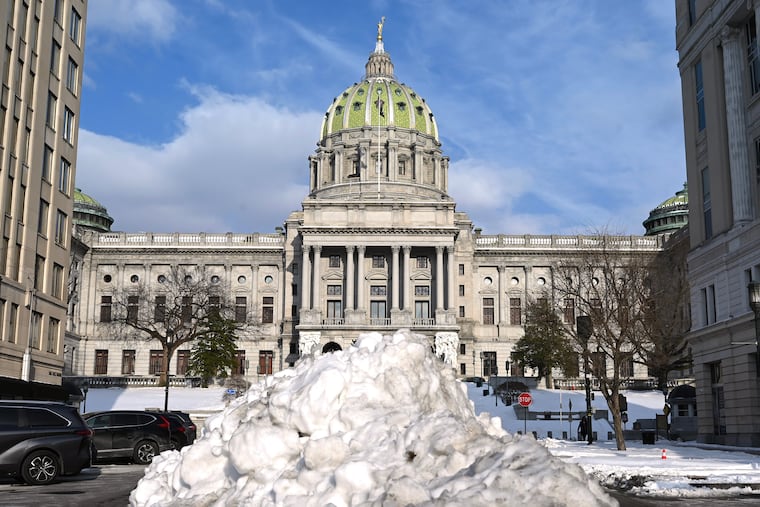
HARRISBURG — Pennsylvania’s top leaders want to avoid another ugly, monthslong budget standoff, showing resolve this year to begin negotiations much sooner in hopes of approving a spending deal by their June 30 deadline.
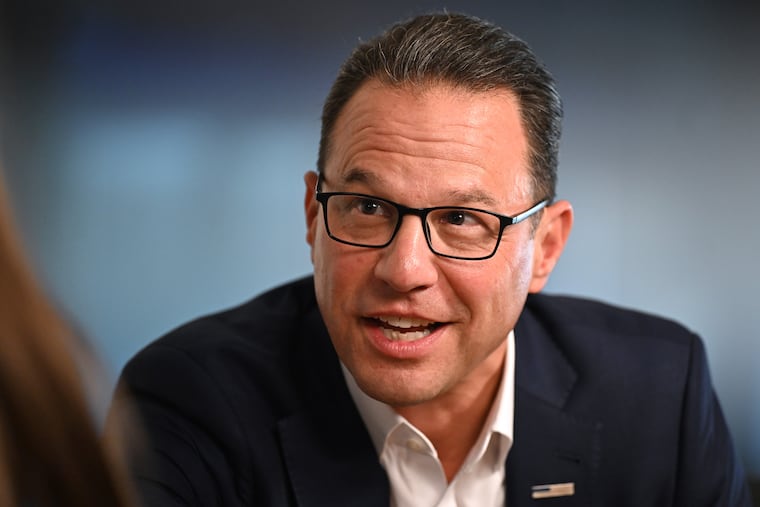
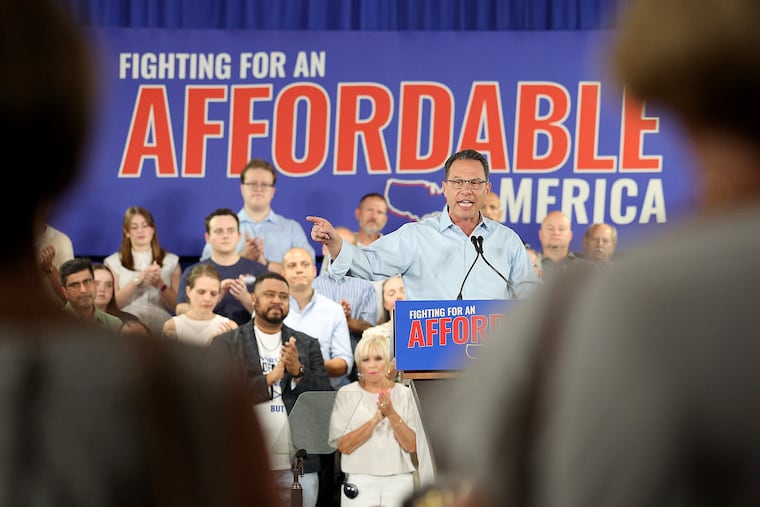
But that doesn’t change the state’s financial predicaments: Pennsylvania is again on track to spend more than it brings in this fiscal year. Gov. Josh Shapiro has pitched spending at least $4.3 billion more than the state is projected to raise in revenue next fiscal year, part of his $53.2 billion budget proposal.
Shapiro, who is up for reelection this year and is a rumored 2028 presidential contender, has struggled in budget negotiations since taking office to deliver on his national image as a moderate Democrat willing to work across the aisle while leading the state with a GOP-controlled Senate and narrow Democratic House majority.
And after last year — when lawmakers couldn’t agree on a state budget deal for months, leading to a bitter impasse and negotiations stretching into November while schools and counties went unfunded — the governor is trying a new strategy.
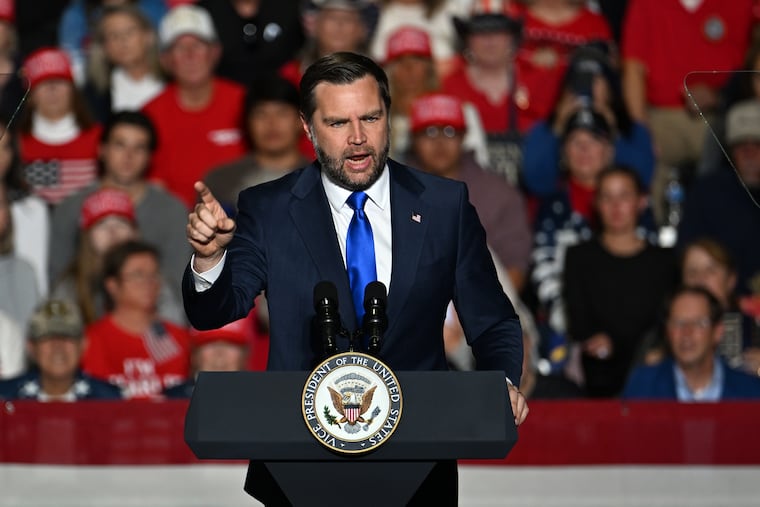
Shortly after unveiling his budget proposal to lawmakers last month, Shapiro called top legislative leaders in for a meeting in his office to discuss their spending priorities. Last year, the initial negotiation conversation took place just before the June budget deadline, taking months to arrive at an agreement. House Majority Leader Matt Bradford (D., Montgomery), Senate Majority Leader Joe Pittman (R., Indiana), House Minority Leader Jesse Topper (R., Bedford), and Senate Minority Leader Jay Costa (D., Allegheny) accepted Shapiro’s invitation.
Rosie Lapowsky, a spokesperson for Shapiro, said in a statement that the early conversation was intended to “ensure they remain timely, constructive, and focused on results.”
A $4.3 billion budget shortfall — and disagreement over how to fix it
Both Pittman and Bradford, who control their chambers and are top architects to any final budget deal in closed-door negotiations with Shapiro, said the first talks were a good first step in opening negotiations much sooner than last year. But they acknowledged the tough fiscal realities facing the state, and disagreed on how to address them.
“It just simply spends too much money. We can’t continue the spending trajectory,” Pittman said of Shapiro’s $53.2 billion budget proposal. “It’s only going to cause us to have conversations, as the Independent Fiscal Office pointed out about massive, broad-base tax increases.”
The Independent Fiscal Office was created by the state legislature in 2010 and is required to produce revenue projections for current and future years. An IFO report this month found that the budget deficit could top $6 billion this year, and hit $8 billion by 2028-29, likely requiring broad tax increases to fill the gap.
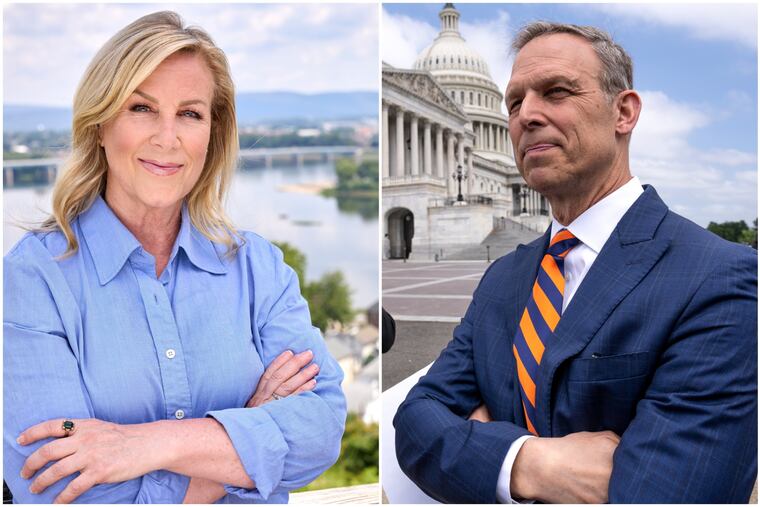
“Assuming he’s reelected, if he’s reelected, I can’t imagine he’s going to be wanting to deal with budgets in 2027 and 2028 that are going to have to call for broad-based tax increases,” added Pittman, who has endorsed Shapiro’s likely GOP gubernatorial challenger, State Treasurer Stacy Garrity.
Meanwhile, Bradford, a Democrat, believes the state should focus on the long game in addressing Pennsylvania’s budget shortfall, citing the state’s efforts to recruit new businesses and pass tax cuts to encourage economic growth, as well as Shapiro’s renewed push to create new revenue streams like the taxation and regulation of recreational marijuana and the slot-machine look-alikes know as skill games.
Pennsylvania’s declining population has “put a lot of stress on our budget books,” Bradford said.
“The best thing we can do is continue to grow this economy,” Bradford added.
Even without increasing its spending over the 2025-26 fiscal year — an impossible feat due to growing Medicaid obligations — Pennsylvania would still be poised to spend $1.2 billion more than it is expected to bring in next fiscal year.
To avoid raising taxes this year, leaders will need to raise new revenues and tap into its more than $7 billion in reserves. Republican leaders want to avoid tapping into the state’s Rainy Day Fund until an emergency arises, citing the state’s lackluster revenue projections in future years. However, it’s unclear what government programs or agencies they’d like to cut.
Just as he did last year to no avail, Shapiro this month again proposed regulating and taxing recreational marijuana and skill games as a way to help fill the state’s budget shortfall. This time, however, his projections on how much revenue could be made has increased dramatically since last year, without changing much of the scope of the proposals.
For example, last year he pitched a 20% tax on the sale of legal marijuana that he estimated would bring in $535.6 million in its first year. This year, he projected the same idea, but instead projected a marijuana tax would bring in $729.4 million in its initial year — a 36% increase. A Shapiro administration official said earlier this month that the projected increase is due to more interest from marijuana companies that want to do business in Pennsylvania.
State revenues are $362 million higher than expected so far this fiscal year, according to the IFO, offering some hope that the state may continue to grow its economy to fill some of the budget hole.
Lapowsky, Shapiro’s spokesperson, said in a statement that Shapiro’s budget pitch shows “that government can be a force for good in people’s lives when leaders come together and put Pennsylvanians first.”
Election year optimism and a preview of the fights to come
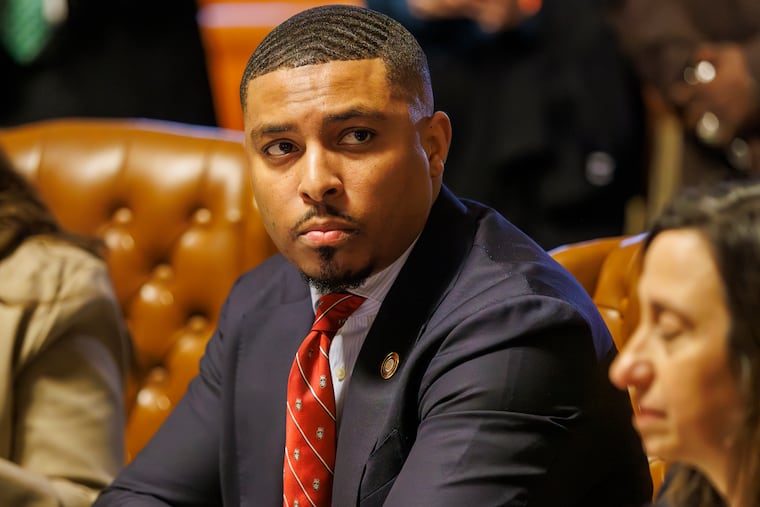
Legislators on the powerful Senate and House appropriations committees, led by House Appropriations Chair Jordan Harris (D., Philadelphia) and Senate Appropriations Chair Scott Martin (R., Lancaster) will individually begin analyzing Shapiro’s budget proposal line-by-line in public hearings this week. Both committees were scheduled to begin their budget hearings on Monday, but were rescheduled to begin on Tuesday afternoon and Wednesday morning for the Senate and House, respectively, due to a snowstorm that blanketed the Philadelphia area.
The weekslong series of hearings examine the budget needs for each state government agency and row office, as well as the spending from the previous year. Secretaries and elected officials from each office come before the committee to answer questions about their proposed spending.
Pittman said Senate Republicans are likely to zero in on Shapiro’s $1 billion proposed bonding initiative for a range of infrastructure projects relating to energy, housing, local governments, and schools that he largely billed as “a major investment in building new housing.” They’ll also likely question why the Department of Corrections is seeking a $150 million funding increase, after the closure of two state prisons last year.
GOP members of the Senate committee will also likely question top officials in the Pennsylvania State Police and the Department of General Services over spending for security upgrades at Shapiro’s personal residence following an arson attack last year on the governor’s mansion in Harrisburg, and a mail vendor’s failure to deliver a month’s worth of state mail to residents.
House Democrats, meanwhile, are likely to bring attention to the successes of the Working Pennsylvanians Tax Credit and additional increases to public education under the state’s new adequacy formula, Bradford said.
“We’ve got real accomplishments and a real opportunity to prioritize funding education, affordability, and build on what we’ve done,” Bradford said.
Unlike the last round of budget negotiations, mass transit funding for SEPTA and other transit agencies is unlikely to be a roadblock this year, as lawmakers have until next year to find a long-term funding solution.
Despite the inevitable disagreements ahead, there is some cause for optimism heading into another year of Pennsylvania state budget negotiations: Midterm election years often produce much less contentious budget battles, as lawmakers are motivated to reach an agreement and bring home their accomplishments to their districts as they campaign for reelection in November.
Both Bradford and Pittman expressed hope that the election year may bring an increased willingness among all parties to finish an on-time budget.
But, “divided government creates all kinds of twists and turns,” Pittman added. “I certainly can’t predict what’s coming ahead here.”