Housing, affordability, and new revenue: What to watch for in Gov. Josh Shapiro’s state budget address
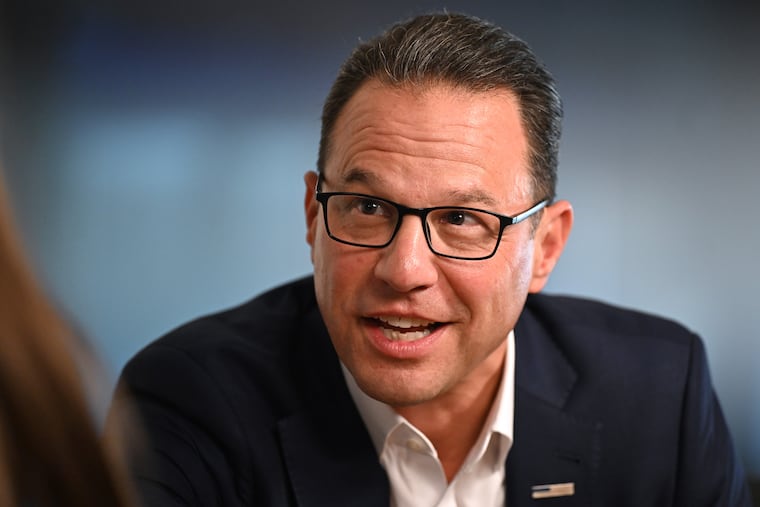
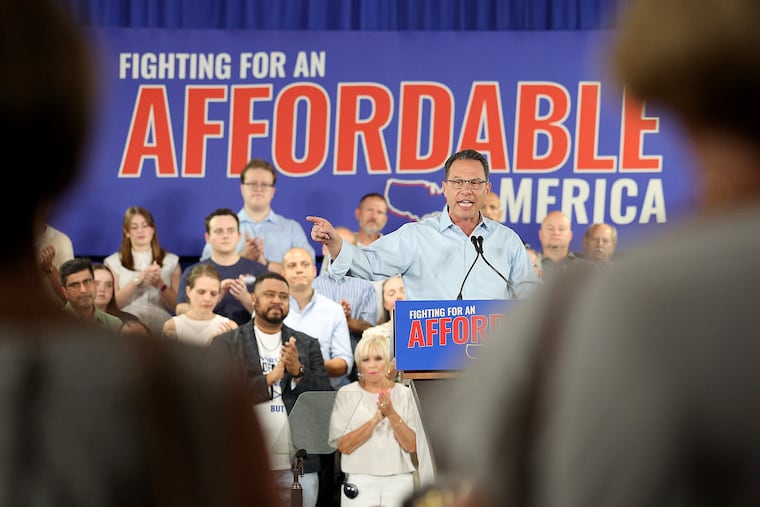
Shapiro is expected to pitch a $53.2 billion budget on Tuesday during his fourth annual budget address that adds a new focus on affordability and while proposing old ideas he hasn’t achieved yet.
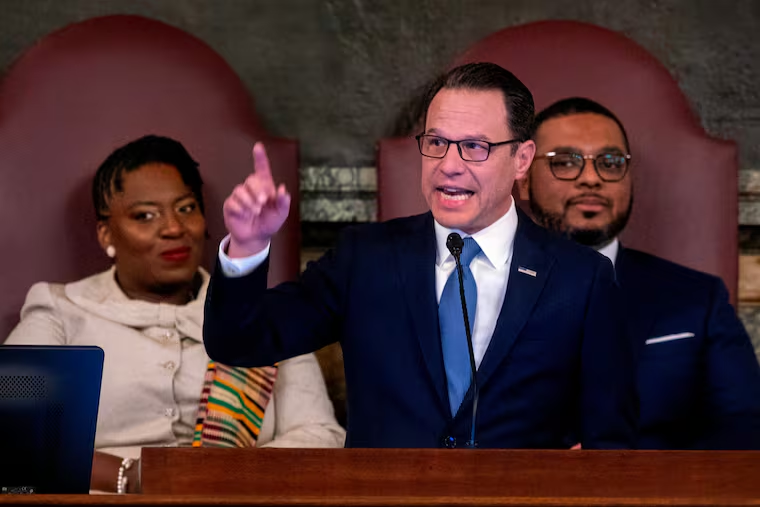
HARRISBURG — Gov. Josh Shapiro on Tuesday is expected to propose a $53.2 billion state budget for the 2026-27 fiscal year, just three months after settling a bitter, 135-day budget impasse that forced schools, counties, and nonprofits to take out loans to stay afloat.
Shapiro, a first-term Democrat running for reelection this year and potentially poised for higher office, will deliver his fourth annual budget address before a joint session of the Pennsylvania General Assembly, where he plans to pitch an expansive $1 billion housing and infrastructure plan to incentivize new housing development with an overall focus on affordability in the state.
And as in years past, Shapiro is expected to again propose new revenue streams to fill a more than $5 billion deficit, such as the legalization and taxation of adult-use cannabis, as Pennsylvania is again expected to spend more than it brings in tax revenues.
Here are three things to watch for in Shapiro’s budget proposal.
Affordability, affordability, affordability
Affordability has become somewhat of a top Democratic catchphrase heading into the midterm elections, as housing, energy and healthcare costs continue to rise.
It’s an issue Shapiro has repeated as one that is top of mind for him, and he is now applying it to a basic need for many Pennsylvanians: housing.
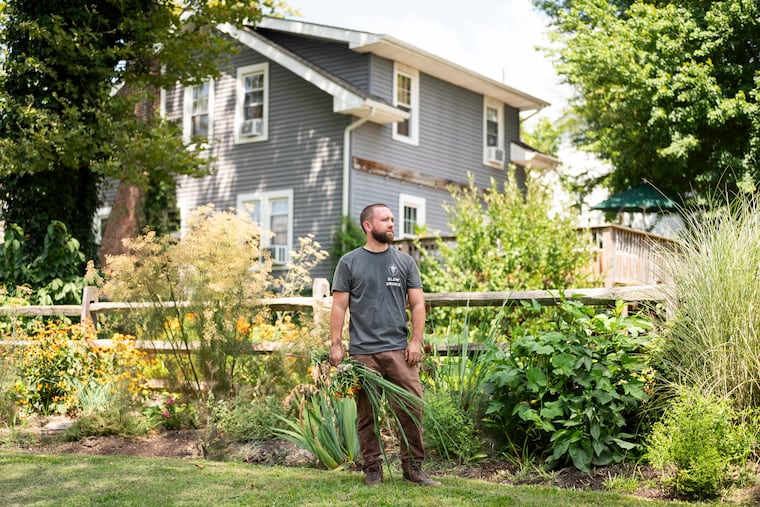
He’s expected to pitch a sweeping, $1 billion housing and infrastructure plan to cut red tape and reform zoning rules, as housing costs in the state remain high and availability low, though the details of the plan were unclear Monday afternoon.
» READ MORE: The cost of housing in Pa. is too high. Here’s what Josh Shapiro will need to overcome to fix it.
The average rental price in Pennsylvania is $1,525 per month, with 25,000 rentals available across the state, according to the real estate website Zillow.
Additionally, Shapiro has been focused on energy affordability as another top priority, challenging PJM Interconnection — the independent electrical grid operator for Pennsylvania and 12 other states — over how much it is charging residential customers for energy.
Shapiro has taken this effort to the White House and gained support for a cap on prices going forward.
The governor on Tuesday is also expected to reintroduce his “Lightning Plan” that includes incentives to increase renewable energy production and a new Pennsylvania-specific cap-and-trade carbon program.
» READ MORE: Pa. budget deal kills major program to control greenhouse gases
The plan would replace the Regional Greenhouse Gas Initiative that Shapiro and House Democrats agreed to ditch as part of an overall $50.5 billion budget deal in November, following years of urging from Republicans who argued that it stifled economic growth in the state. A similar cap-and-trade program would be unlikely to pass the Republican-controlled state Senate.
New revenue streams, again
Shapiro will again try to fill the state’s projected $4.3 billion budget gap with new revenue streams — although none of them would be likely to be up and running in time for the start of the new fiscal year on July 1.
Last year was the first time Pennsylvania’s state budget ever topped $50 billion. Its revenue still has yet to hit that milestone, and is unlikely to do so this fiscal year. The Independent Fiscal Office estimates the state will bring in nearly $49 billion, a 1.3% increase in revenue over the last fiscal year.
The budget gap is among the biggest challenges for Shapiro in upcoming negotiations with top legislative leaders, as Senate Republicans say it’s their top priority to spend within the state’s means.
Shapiro last year proposed tapping into the state’s Rainy Day Fund — approximately $7 billion set aside for emergencies — that the state has been stockpiling in the years since the COVID-19 pandemic. It’s unclear whether he will pitch using some of the fund again for the 2026-27 fiscal year.
He is also expected to propose legalizing recreational marijuana again, in addition to the regulation and taxation of so-called skill games to generate new revenue for the state.
Last year, Shapiro proposed a 20% tax on adult-use cannabis that he predicted would bring in $535.6 million in its first year, largely from licensing fees. He projected it could bring in $1.3 billion in the first five years, noting that only one of Pennsylvania’s neighboring states, West Virginia, hasn’t legalized recreational marijuana, essentially allowing Pennsylvania to lose out on tax revenue as residents cross state lines to buy it.
Shapiro has proposed regulating skill games in his last two budgets, asking last year that the unregulated gaming machines be taxed at 52%, which is the same tax rate as slot machines in casinos or gas stations. He estimated then that skill games would bring in nearly $369 million in its first year.
(The skill games industry has continuously rejected a high tax rate, arguing that it would hurt the industry and small business owners that carry the machines, like bars and corner stores.)
A possibly quicker resolution
There is one bright spot for the schools, counties, and nonprofits that rely on state funding and which last year had to wait more than four months for that money when lawmakers couldn’t agree: It’s an election year.
Election years often result in quicker budget resolutions, as lawmakers and officials want to secure money for their districts before they go home to campaign for reelection.
In 2018, when former Democratic Gov. Tom Wolf was up for reelection, he signed the state budget on June 23 — a week ahead of the July 1 deadline.
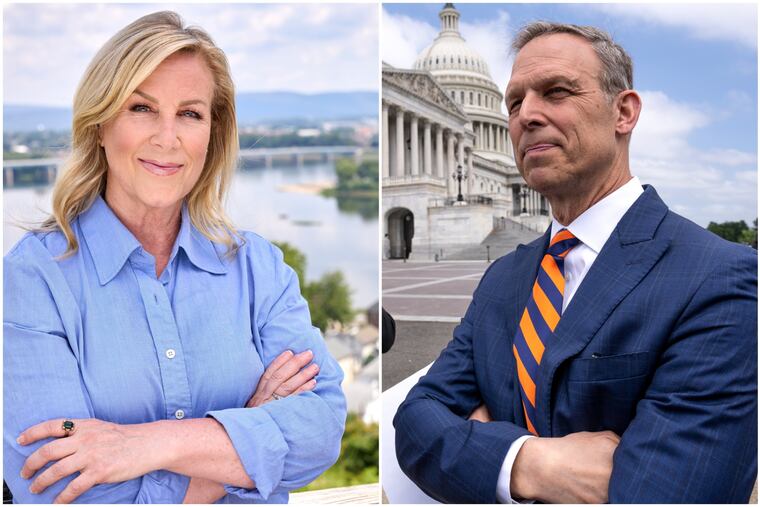
This year, Shapiro is up for reelection, likely to face a November challenge from State Treasurer Stacy Garrity, the state Republican Party-endorsed candidate. And many other state lawmakers are in the same boat.
All 203 seats in the state House and half the 50 seats in the state Senate are on the ballot in November. Several lawmakers have announced that they will not seek reelection, allowing for competitive elections to fill the vacancies.