Stepping in to help small developers | Real Estate Newsletter
And a plea for low-income housing.
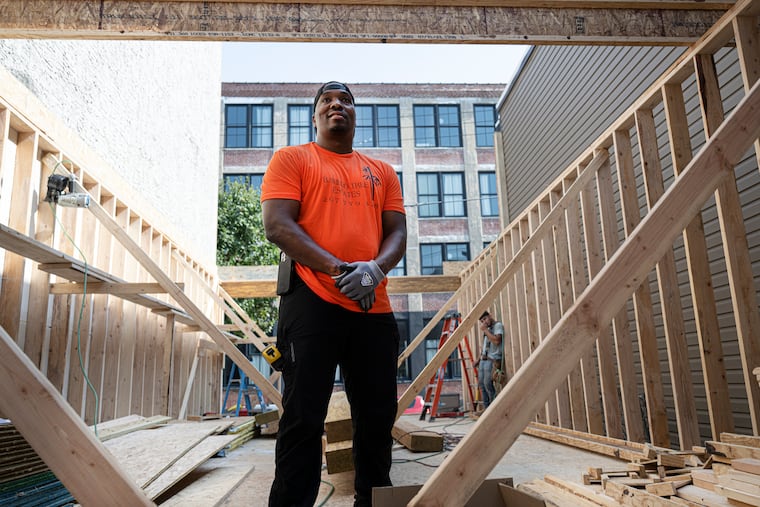
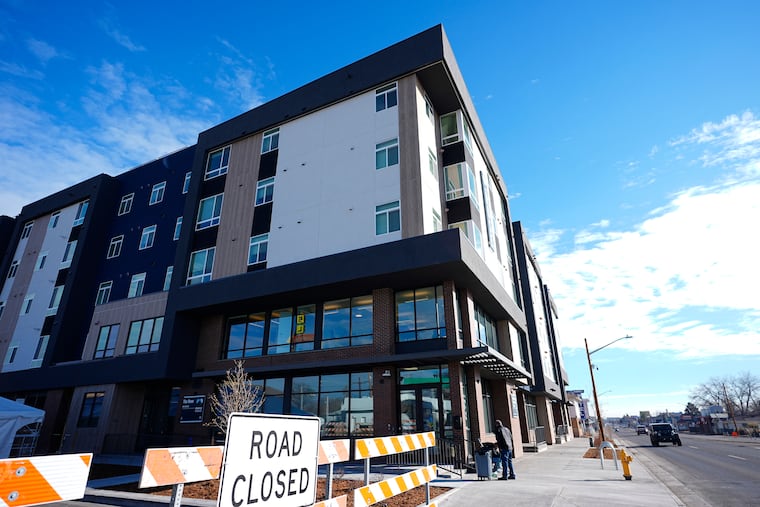
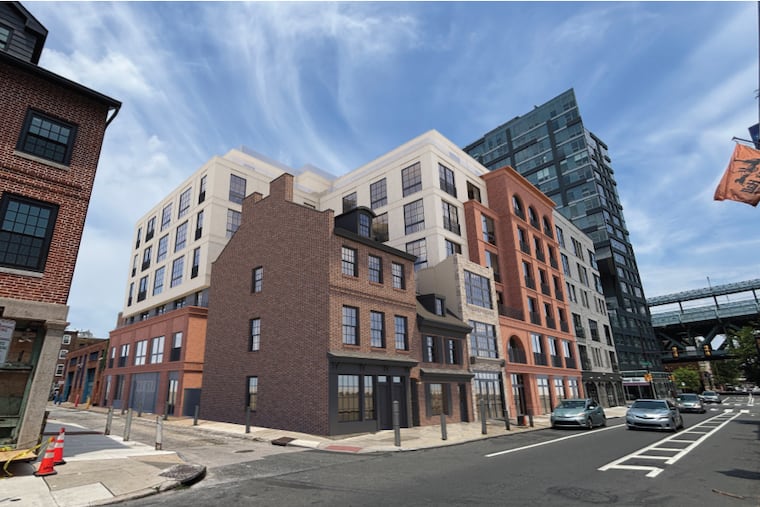
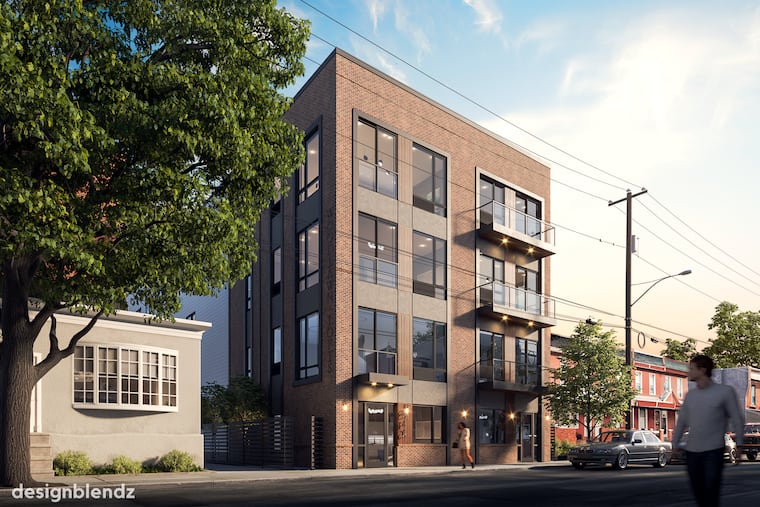
Small real estate developers used to be able to rely on neighborhood banks to give them loans. But a lot of those institutions have disappeared.
A Philly loan company that got its start six years ago is among the lenders stepping in. It’s made a new loan to small Philly developers every day for the last year.
Read on for that story and to see why an affordable housing group is rallying at Philadelphia City Hall today, learn what happens after your home loses power in a storm, read why home prices across the region are still rising, and peek into a custom-built home on a hill in Bucks County.
📮 What features would you want in a custom-built home if you didn’t have to worry about money? For a chance to be featured in my newsletter, email me.
— Michaelle Bond
If someone forwarded you this email, sign up for free here.
Latisha Redmond started a hair salon in Hawaii and used profits to start buying rowhouses in Philly.
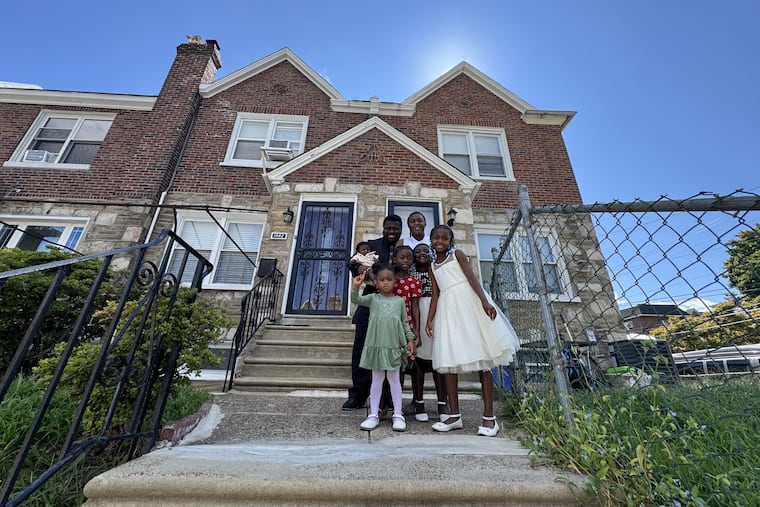
Jesse Fells was a minor-league basketball coach when he bought a new home in South Philly that leaked. “I figured, if that guy could build a house, I could build a better one,” he said.
Both of these small-scale developers get loans from Spring Garden Capital.
Half of its borrowers, like Redmond and Fells, are people of color and/or women. Across the country, only about 1,000 of 112,000 real estate development companies are Black- or Latino-owned, according to a widely quoted estimate.
Read how Spring Garden Capital can help small developers in ways that banks can’t.
Philly’s City Hall is going to see a lot of action today. Council members come back from their summer breaks for the fall session. That means several groups plan to rally outside the building to draw attention to their causes.
One group is the Philadelphia Coalition for Affordable Communities, which is spending its 10th year urging Council members to spend more money on creating and preserving accessible housing that Philadelphians can afford.
This year, the coalition of 76 organizations is asking that Philly spend half the money it gets for housing programs — city, state, and federal funds — on Philadelphians with the lowest incomes.
Specifically, the group is focusing on households that make $25,000 or less. Members told me that what city officials call “affordable housing” is not affordable for residents.
You should know:
Almost 30% of Philly households made less than $25,000 in 2021.
Government housing programs often set income limits based off an entire region’s median income.
Wealthy surrounding counties such as Chester and Montgomery raise Philadelphia’s area median income to more than $114,000 — much more than the typical Philly household makes. That means lower-income folks share program funds with higher-income ones.
Read more about the coalition’s latest campaign and why a housing expert told me that helping middle-income households can help lower-income ones too.
The latest news to pay attention to
Philly officials celebrated the first house that was sold in a city program to build up to 1,000 price-restricted homes.
Rich immigrants got U.S. visas by investing more than $1 billion in Philly construction projects.
Homeowners say a beloved Philly salvage and restoration company ripped them off.
The “haunted” Society Hill Hotel, a former Civil War recruiting station, will reopen as a boutique hotel and whiskey bar.
A Montgomery County man is building an off-the-grid, sustainable “Earthship” home in rural Pennsylvania.
The U.S. Army Corps of Engineers wants to build a 15-foot high, $13 million levee along Cobbs Creek to help control frequent flooding in a Philly neighborhood.
The Benjamin Franklin Parkway is getting a redesign, and you can weigh in on the changes.
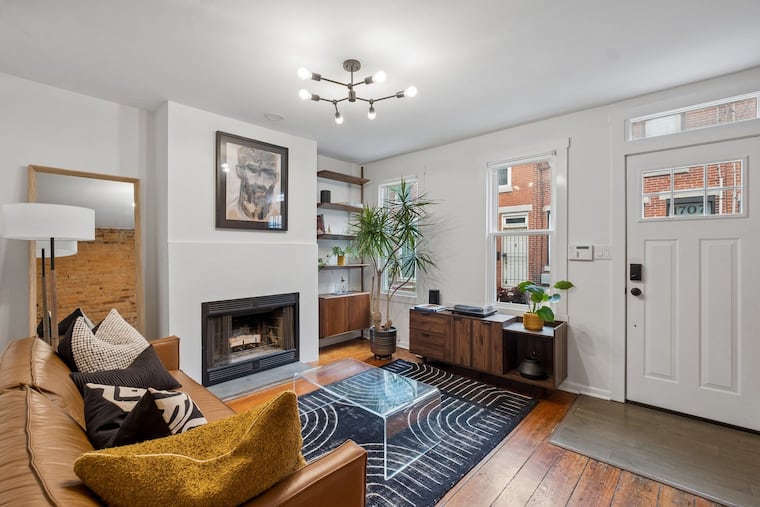
House of the week: For $569,900 near Graduate Hospital, a rowhouse on a garden block.
If you’ve ever lost power in your home for a long stretch of time, you’ve probably thought in frustration as the hours ticked by: What is my electric company doing?
My colleague Erin McCarthy set out to answer that question. She talked to Peco workers and recreated their response to the region’s Aug. 7 storm — among the worst they could remember.
As the storm rolled in, they watched as the number of outages skyrocketed in minutes. About 139,000 homes across the region went dark.
Cue mandatory 16-hour shifts, nonstop computer alarms, the huddling of storm team leaders in the emergency operations center, and the dispatching of mobile command centers.
Read on to find out how Peco prioritizes where to respond first when so many customers don’t have power and learn tips for preparing for the next big storm.
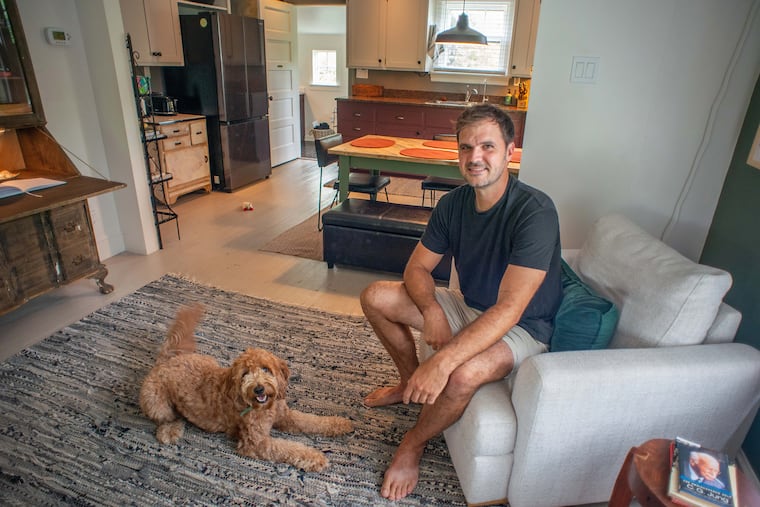
As a 5-year-old, I only felt excitement watching builders create my childhood home. Looking back, it must have been stressful for my mom, as new builds can be.
Now add a hill into the mix.
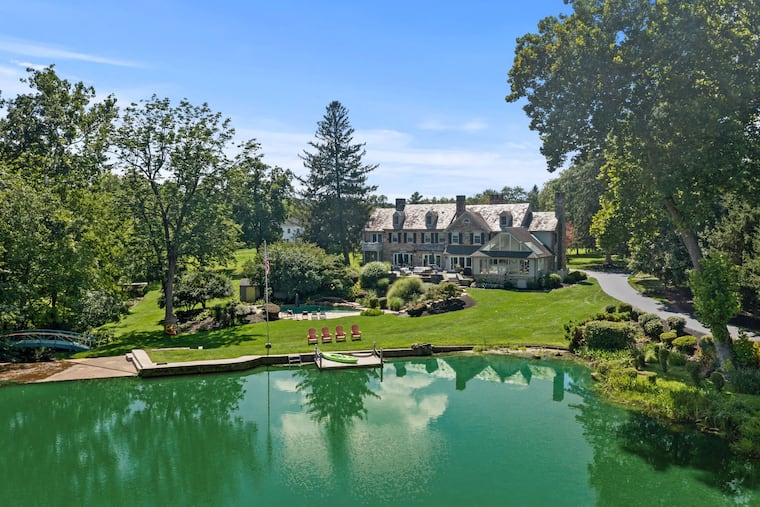
Keith Gonzales and Lee Kline said that if they knew back in 2021 what they know now, the couple might not have bought a 15-acre lot at the top of a hill.
Just building their driveway was an expensive ordeal. Getting permits was a headache. But now that it’s all over, they love their choice.
They drink in the fresh air and can hear cows mooing. They went with a modern home design, so the house wouldn’t compete with the landscape.
Their 3,200-square-foot, two-story home has plenty of windows to take advantage of the views. There’s a screening room in the basement and an in-ground pool outside.
Peek into the family’s sanctuary from city life and see what it took to build their home on the hill.
🧠 Trivia time 🧠
A New Jersey teenager built a popular attraction in the backyard of his home. But he had to dismantle it after town officials found out.
Question: What did Sammy Trechak build?
A) a petting zoo
B) a go-kart track
C) a rollercoaster
D) a bumper-car track
This story has the answer.
📊 The market 📊
It’s still tough out there for buyers, as potential sellers stay home.
The chief economist at the multiple listing service Bright MLS, Lisa Sturtevant, said she expects the number of new home listings to stay low for the rest of the year in the Philly area and across the Mid-Atlantic region.
Elevated mortgage rates like we have now tend to force sellers to keep a lid on prices so they don’t scare off buyers. But prices are staying high, because buyers are competing over not-enough homes for sale.
In August in the Philly metro area:
🔻 The number of new home listings — roughly 6,850 — was down almost 17% compared to last August.
🔻 The number of active listings — 9,460 — was down about 15% from last year.
🔺 The median sales price rose almost 6% compared to last August to $370,000.
According to Bright MLS, home prices in the Philly area have risen faster than in other parts of the country because of our relative affordability and strong home demand.
📷 Photo quiz 📷
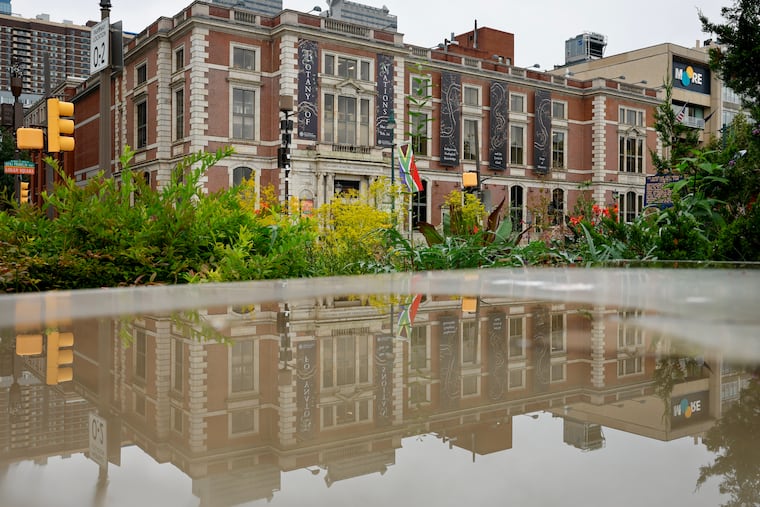
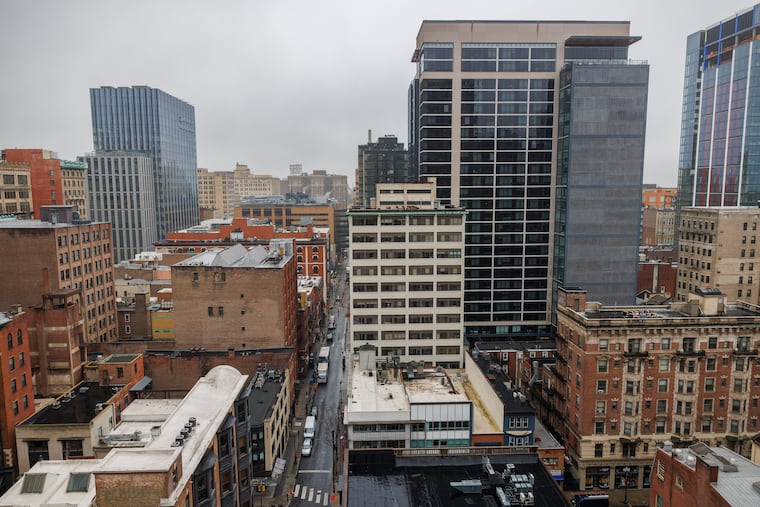
Do you know the location this photo shows?
📮 If you think you do, email me back. You and your memories of visiting this spot might be featured in the newsletter.
Shout out to the folks — including Gary R., David P., Joe M., and Lee H. — who knew that last week’s photo showed the construction of the Philadelphia Museum of Art.
Like a typical lifelong resident of the Philly area, Heidi of Montgomery County said she went there on class field trips. And she’s visited for dates with her husband and trips with their kids.
“When relatives from Germany have visited, there was always the run up Rocky’s steps.”
―
Y’all have told me that you have strong feelings about parking. So I’m sharing a parking guide that my colleagues put together to show you how to fight a parking ticket, what to do if you get a “courtesy tow,” how to park for cheap(er), and what parking has to do with a teacher shortage. Read more here.
Enjoy the rest of your week.