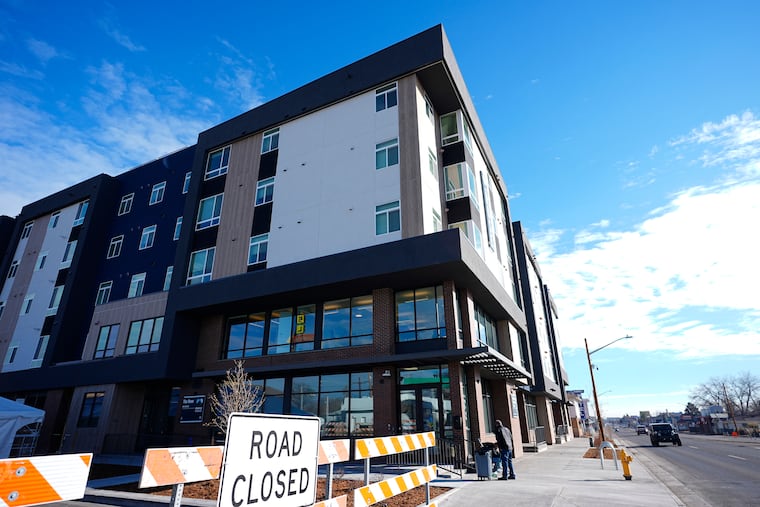
She found her Northern Liberties condo on Facebook Marketplace and it wasn’t a scam | How I Bought This House
A well-priced condo put home ownership within reach for this buyer. But finding her home required a little extra digging.
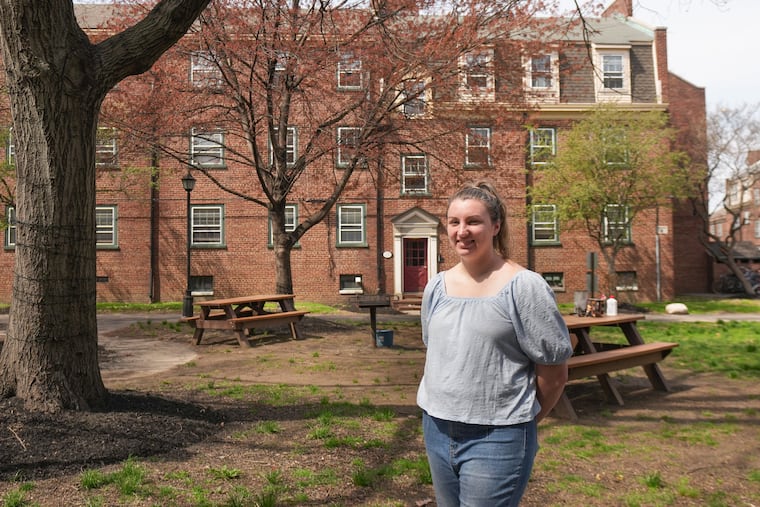
The buyers: Katie Pratt, 29, public affairs manager
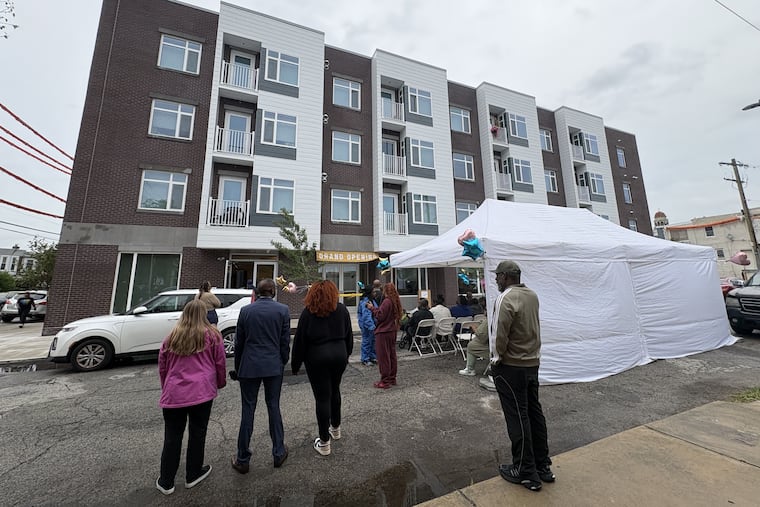
The house: A 614-square-foot condo in Northern Liberties with two bedrooms and one bath
The price: Listed for $175,500; purchased for $165,000
The agent: Rachelle Lee Schneider, Space & Co.
The ask: Katie Pratt had a good apartment in West Philly. It was a decent-sized one-bedroom on a street she liked. It was affordable. It worked for her and her two cats, Winston and Harold. For a while, that felt like enough. Then Pratt realized she wanted to live in Philadelphia long-term, and continuing to rent didn’t make any sense. She was 29 — the same age her sisters were when they bought their first houses — and ready to put down roots.
But owning a home didn’t feel realistic. Pratt has health issues that make her energy levels unpredictable. Some days, she said, she can barely leave bed. She wasn’t sure she could handle the upkeep a house requires. “Maintaining my own home seemed overwhelming,” Pratt said. That’s when a friend suggested she look into a condominium. It could give her all the perks of homeownership without leaving her responsible for a damaged roof or a leaking basement. Pratt loved the idea.
Stairs were a dealbreaker, so she narrowed her search to first-floor units or buildings with elevators. She wanted plenty of natural light and more space than her apartment offered. A second bedroom wasn’t necessary but sounded nice.
The search: Pratt began looking in spring 2025 after reaching out to an agent a coworker recommended. She thought the meeting would be informational. Instead, it kicked off a real search. “I didn’t realize at the time that meeting with the agent kind of got it all started immediately,” she said.
In all, Pratt looked at 15 places. One place seemed almost suspiciously affordable for the location, so Pratt asked a resident outside what it was like to live there. “This stranger told me everything,” she said. The apartment was, in fact, too good to be true.
Then Pratt spotted a listing somewhere she had never thought to look for a home: Facebook Marketplace. The seller had skipped an agent and posted it himself, Pratt said, because he didn’t want the company that owned a big chunk of the complex to snap it up. He wanted to sell it to someone who would actually live there.
Pratt messaged him, and he wrote back quickly. He seemed eager to move the conversation along, which made her wonder if the whole thing was a scam. She asked him to talk to her agent instead. “Turns out it was legitimate,” Pratt said.
The appeal: Once Pratt knew the listing was real, she could focus on the place itself. She knew the complex because a close friend rented there, and she had seen the area at different times of day and night. That made her more comfortable. She didn’t have to guess what living there might feel like.
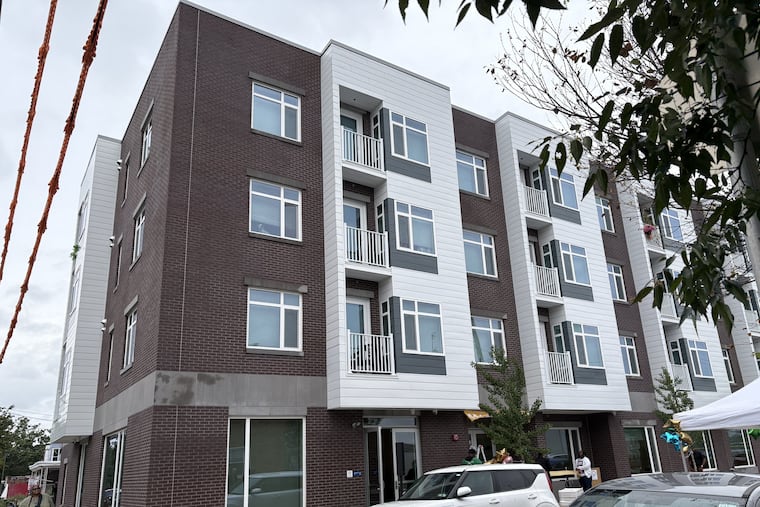
The place itself checked nearly every box. It was a first-floor, two-bedroom unit with lots of light. “There’s so much sun, and it’s really pretty,” Pratt said. It came with a parking spot and storage. The complex had a courtyard, trees, and a semi-gated layout that made it feel tucked away.
The deal: The seller was asking $175,500. Pratt and her agent offered $160,000, which she said was a common price for units in the complex. They settled at $165,000.
Then the inspection turned up old windows and electrical issues in the kitchen, so Pratt and her agent tried to bring the price back down to $160,000. By then, though, the management company had caught wind of the sale and offered the seller $165,000 in cash. That left Pratt with little room to negotiate. “If that hadn’t happened, I could have probably negotiated to $160,000,” she said. Still, she thought $165,000 was a good deal. Two-bedroom homes in the area, she said, “can easily sell for more than $200,000.”
The money: Pratt put down about $50,000, more than she had originally planned. She had to account for the homeowners association fee and wanted her total monthly cost to feel manageable, not “scary,” she said. Her mortgage payment is $1,120.
To cover the down payment, Pratt pulled from several sources. Roughly $35,000 came from selling stock her grandparents had bought for her when she was born. She added about $10,000 of her own savings, and her parents transferred another $10,000 in stock for her to cash out.
After closing, Pratt used much of what remained in the stock account from her grandparents, along with her own savings, to get the condo ready. She painted, updated the electrical, and bought furniture that fit the new layout, including a queen bed and a new couch. “I got some things that I’m very happy about,” she said.
The move: Pratt closed at the end of October but didn’t move into the condo until Jan. 1. She had some overlap with her lease, which gave her time to move gradually instead of all at once. Over the next two months, she took things over bit by bit, mostly on her own. Her parents came for about a week to help and friends pitched in, too.
Any reservations? Buying a home gave Pratt more anxiety than she expected. The hardest part was watching her savings shrink. “After everything settled, it was just like, ‘Wow, it’s all gone,’” she said. She has had to be more money-conscious than she was before. To calm herself, she tries to think long-term. “I tell myself, ‘You’ll love yourself in a year or two,’” Pratt said. “‘You won’t regret it, even if you do in this exact moment.’”
Life after close: In her old apartment, Pratt worked from the living room. Now her extra bedroom serves as both an office and a guest room, with a foldable desk and a pullout couch she found on Facebook Marketplace.
Pratt also bought a pull-down screen for the projector she already owned. Changes like that helped the condo feel more like home. The process was stressful, and the financial hit was real. “I feel very lucky,” she said.
Did you recently buy a home? We want to hear about it. Email acovington@inquirer.com.

- Barack Obama was the first American president to celebrate a seder in the White House, a tradition that started in Harrisburg
- A Perfect Philly Day, according to Philadelphia Zoo CEO Jo-Elle Mogerman
- The best things we ate this week
- She found her Northern Liberties condo on Facebook Marketplace and it wasn’t a scam | How I Bought This House
- A quieter, cooler Wildwood weekend before the summer crowds | Field Trip
- My boyfriend never wants to leave his Philly neighborhood. Is that a red flag?
- Philly fought robots, brought spaghetti to CBP, and fixed Reese’s | Weekly Report Card
- The light of spring
- Citywide Quest: Do you know where in Philly these Easter-themed photos were taken?

How I Bought This House