What SEPTA riders need to know about the return of transit service
From fare increases to restored bus routes, here's everything The Inquirer knows to help your commute.
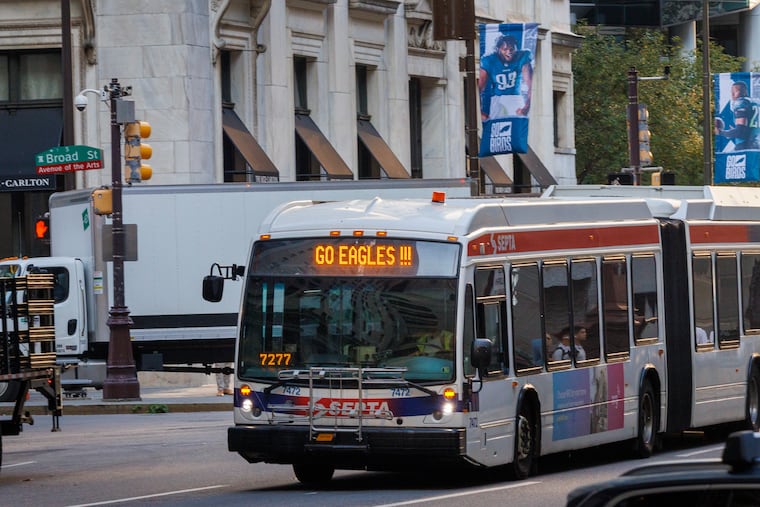
Twelve days after SEPTA implemented severe cuts to transit service across the Philadelphia region, the transportation authority is making plans to restore buses, trolleys, and trains to normal schedules.
On Friday, SEPTA General Manager Scott Sauer requested approval from PennDot to use up to $394 million in capital funds to pay for its operations and avoid service reductions for the next two years.
SEPTA eliminated and shortened dozens of bus routes and made other service cuts to save money as it faces a $213 million budget deficit and lack of funding from the state legislature. Like other transit agencies across the country, SEPTA has faced lower ridership and higher operational costs since the pandemic.
Sauer remained firm that despite the likely movement of capital funds, SEPTA still requires a long-term state funding solution. Pennsylvania’s General Assembly has not passed a budget for the fiscal year that began July 1.
“I’m not sure that that things are continuing to progress” in the legislature “at the at the rate that we were hopeful that would,” Sauer said. “But it doesn’t change the fact that this is not a solution. This is a Band-Aid. This will get us through a couple years.”
Here’s what riders need to know about the return of service on SEPTA.
This story will be updated as The Inquirer learns more.
When will service restart?
Pending approval from PennDot, SEPTA expects full service to return Sept. 14.
“We’re optimistic they’ll sign off on it. They have told us they will give us an answer quickly, so I’m hopeful that we can get something early next week,” Sauer said Friday.
When will fares increase?
A 21.5% fare increase will happen Sept. 14.
SEPTA estimates that the fare increase will bring in about $31 million a year, said Sauer.
Why can’t service be restored immediately?
SEPTA has said that it would take a minimum 10 days to restore service.
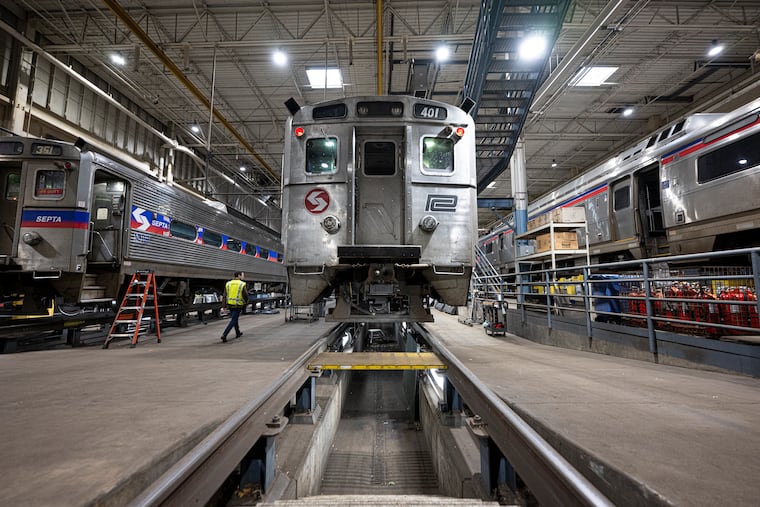
As the nation’s sixth-largest public transportation system, SEPTA deploys thousands of buses, trolleys, and subway and Regional Rail trains daily.
Orchestrating such a large system is extremely complicated, Sauer said Friday.
Before an operator can be assigned to a bus, trolley, or train and hit their route, systems need adjusted for safety and accuracy of information to riders.
For example, Sauer said, all destination signs on buses that had their routes truncated need to be reprogrammed. And the correct train schedules need to be updated in the signal system to manage traffic safely.
Plus, transferring 5,000 unionized employees from the partial service schedule, which is in place now, to the pre-cut schedule requires notice, Sauer said. It would be “impossible for people to pivot so quickly” to a new schedule.
The service changes kick in on a Sunday because that’s the first day of the workweek for the system’s staff.
“There is a lot that goes into it, and while I certainly appreciate that we make it look easy, it’s not,” Sauer said.