SEPTA sets date to restore service as the agency seeks permission to use capital funds
In addition to rolling back service cuts, SEPTA will raise fares by 21.5%.
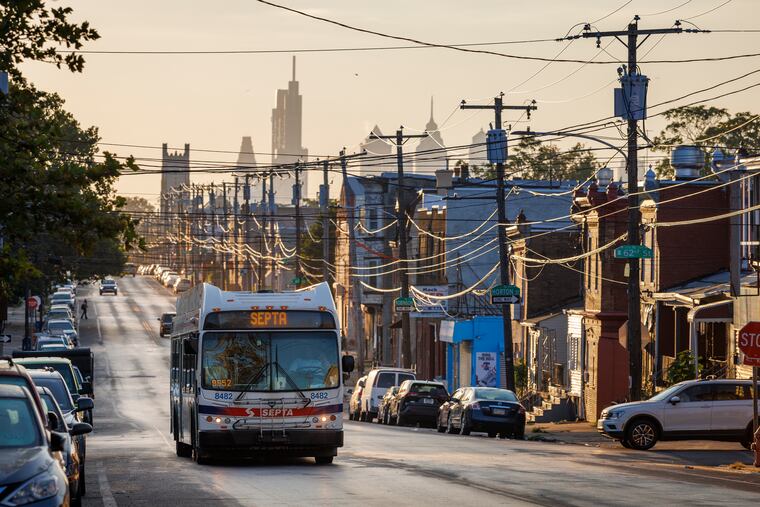
The Philadelphia transit mess of 2025 is close to being over. For now.
SEPTA has asked Gov. Josh Shapiro’s administration for authorization to fund its operations by tapping a pot of money intended for capital projects such as vehicle repairs and new rail fleets, according to a letter obtained by The Inquirer.
That money would help the transit authority restore service after a judge ordered the agency to halt dramatic cuts to a public transportation system used daily by hundreds of thousands of people in the Philadelphia area.
In a letter dated Friday to PennDot Secretary Michael Carroll, SEPTA General Manager Scott Sauer requested approval to use up to about $400 million in capital funds to support its operations and avoid service reductions for the next two years.
SEPTA expects to restore service on Sept. 14, pending PennDot’s approval of the plan, said Andrew Busch, the authority’s spokesperson. A planned 21.5% fare increase will take effect the same day, bringing SEPTA’s base price to $2.90 per ride, Sauer said at a news conference at the authority’s Market Street headquarters Friday afternoon.
“Over the last two weeks, we’ve seen the devastating effects the service cuts have had on our riders,” Sauer said, adding that the number of bus trips running late was up 26% last week compared to normal conditions. “Our riders deserve better, and they deserve stability.”
The state budget impasse
SEPTA says its elimination and shortening of dozens of bus routes and other cuts over the past two weeks were unfortunate but necessary to save money as it faces a $213 million budget deficit and lack of funding from the state legislature. The politically divided General Assembly has yet to pass a budget for the fiscal year that began July 1.
SEPTA’s request to PennDot on Friday appeared similar to a plan earlier proposed by the Republican-led Senate — one Democrats and the transit authority had initially rejected. Shapiro and Democratic leaders later said they were open to using the capital funding, provided a long-term funding source was established to backfill the account.
Shapiro, a Democrat, had proposed increasing the share of state sales tax revenue that is allocated to mass transit, which House Democrats approved five times over the last few years. Republicans opposed the idea, arguing that all of the state’s sales tax revenue is already allocated and would ultimately result in an increase for taxpayers.
“It was our hope that the Legislature could come to an agreement and pass into law Gov. Shapiro’s plan to increase recurring revenue and find a long-term solution for SEPTA,” the letter says. But, it continued, “given the legislative delay, and increasing fiscal pressures, we are faced with no other option than to request this waiver.”
Senate Appropriations Chair Sen. Scott Martin (R., Lancaster), told NBC10 last week that a long-term solution was “not gonna happen” until SEPTA shows its ability to improve its accountability and safety.
Under PennDot regulations, with department approval capital funds can be used for operating purposes to prevent a reduction in service or fare increase, Sauer wrote.
As a result of Thursday’s court decision, he wrote, “SEPTA is required to continue to provide a level of service that is unsustainable without further operating funds.”
A spokesperson for Shapiro said his administration is “reviewing this request and determining next steps.”
Several top Senate Republicans had in recent weeks called on Shapiro to release the funds directly to the transit agencies, pushing him to use his executive authority to use the funds instead of requiring a legislative solution to help SEPTA roll back its cuts immediately.
“We could have done this weeks ago, and actually the governor could have done months ago,” Kim Ward, the Senate president pro tempore and top Republican in the state Senate, said in an interview Friday. “This has been a colossal waste of time and energy — fighting over something we knew could happen and that they agreed could happen.”
At the news conference, Sauer emphasized the plan announced Friday was a short-term fix. Like other mass transit systems around the country, SEPTA has been struggling with a decline in ridership since the pandemic and increased costs.
“We know that transferring capital funds to operating with no commitment to replace them is not a sustainable long-term solution to set this current budget crisis,” the SEPTA general manager said. “These are future capital dollars, which means they will not be available to us to support critical infrastructure rehabilitation and vehicle replacements in the future when they’re needed.”
The legal appeal
SEPTA filed notices Friday that it would ask a state appeals court to overturn the judge’s decisions, which came in response to a lawsuit that alleged the service reductions had an unlawful disproportionate impact on people of color and low-income riders.
The transit authority denies that the service reductions were discriminatory and says it has warned about the need for stable funding for two years.
The lawsuit, filed last week on behalf of a consumer advocate and two riders, claimed SEPTA had enough money sitting in a reserve account to maintain its regular service, but chose to create a fake crisis in an effort to pressure lawmakers into handing over more funding.
SEPTA’s lawyers said the plaintiffs misunderstood its financial situation and that depleting its cash reserves would further destabilize the transit system.
After hearing two days of witness testimony and argument, Common Pleas Court Judge Sierra Thomas Street on Thursday ordered SEPTA to immediately halt all service cuts but said it could continue with planned fare increases.
Sauer said Friday that regardless of the outcome of its appeals, it will seek to return to the pre-cut schedule if PennDot approves the diversion of the capital funds.
“The plan right now is to utilize this funding to reinstitute service as quickly as possible,” the general manager said. “We know we can confidently put service back on the 14th.”