Facing backlash, Peco withdraws request for double-digit rate hike next year
The utility faced significant consumer and political backlash when it announced it was seeking the increase in March. Among the chief critics was Pennsylvania Gov. Josh Shapiro.
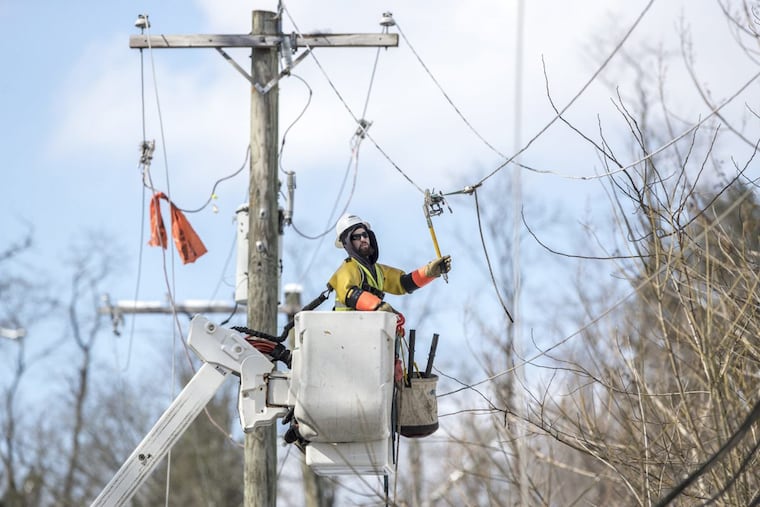
Peco announced Thursday that it is withdrawing a request to the Pennsylvania Public Utility Commission (PUC) for $520 million in rate increases to customers for electric and natural gas delivery in 2027.
The utility faced significant consumer and political backlash when it announced in March that it was seeking the increase. Among the chief critics was Pennsylvania Gov. Josh Shapiro, who had demanded that Peco withdraw the request.
Shapiro called Thursday’s announcement “a major win for the people of Pennsylvania.”
The increase, if approved, would have meant a typical residential electric customer’s bill would rise by $20.08, or 12.5%, per month. And a typical residential natural gas customer would have seen a rate increase of $14.52, or 11.4%, per month. Most Philadelphians get their natural gas via Philadelphia Gas Works (PGW), which sets a separate rate.
At the time of the request, Peco cited the need for significant upgrades to meet power demand and to increase reliability of the grid amid more frequent and powerful storms.
But opponents of the rate hike request noted that it came after Peco had received approval for increases split over 2025 and 2026. And they noted that last year, Peco made $814 million in net income, up 48% from 2024, according to its parent company, Exelon.
IBEW Local 614, a union representing 1,500 Peco workers, also objected, and filed its own petition to the PUC against the rate hike, calling the utility a “state-sanctioned monopoly that’s fleecing ratepayers and workers to benefit executives and shareholders.” The union is currently in negotiations with the company after its workers’ contract expired March 31.
In their withdrawal announcement, Peco’s leaders, including David Vahos, president and CEO, cited “significant financial pressures facing households and businesses across southeastern Pennsylvania.”
» READ MORE: Their electric bills hit record highs this summer, from the Main Line to the Jersey Shore
“Customers and communities across the region are facing sustained financial strain driven by rising costs for housing, food, healthcare, transportation, energy supply costs, and other everyday essentials,” the statement said.
It also cited “conversations with Gov. Josh Shapiro, as well as input from customers, community partners, and stakeholders” as causing it to reassess the request. And Peco said it also has been in communication with Philadelphia Mayor Cherelle L. Parker and Council President Kenyatta Johnson.
“We recognize that Pennsylvanians are struggling with basic necessities like gas, food, and energy and have decided to withdraw our proposal,” Vahos said.
Shapiro praised Peco’s decision.
“Pennsylvanians are already being squeezed by rising costs from the Trump Administration’s chaotic economic policies and the war in Iran,” Shapiro said in a statement.
Based in Philadelphia, Peco delivers electricity to 1.7 million customers, and natural gas to 556,000. Founded in 1881, it is the state’s largest electric and natural gas delivery company.
The company said the rate hike application was meant to support “near- and long-term electric and natural gas system modernization.”
However, it said advancing those plans “would place additional strain on customers.”
The company said it is keeping intact a $12.5 million customer relief fund for low- and middle-income customers.
“We appreciate our ongoing partnership with Gov. Shapiro and regional stakeholders and look forward to continuing to work together to deliver safe, reliable electric and natural gas service for the communities we are privileged to serve — all while prioritizing affordability and keeping bills as low as possible,” Vahos said.