SEC, Big Ten add long-missing support to college sports bill and revive its chances in the Senate
The bill still has a chance to earn the 60 votes it needs to halt debate and head to an up-or-down vote before the Senate heads for summer break next Friday.
The Big Ten and Southeastern Conference agreed Friday night to support the Protect College Sports Act, a Senate bill that seeks to regulate college sports, ending a breakneck week of negotiations and pulling the bipartisan measure out of what looked like a certain death spiral.
School presidents from both conferences voted to back the bill after receiving last-minute concessions over language regarding third-party name, image, and likeness deals and the so-called “associated entities” that often make those arrangements.
More details need to be worked out, but the bill still has a chance to earn the 60 votes it needs to halt debate and head to an up-or-down vote before the Senate heads for summer break next Friday.
» READ MORE: What to know about the proposed Protect College Sports Act and its impact on NCAA athletics
The summer recess was increasingly looking like a hard deadline for the Protect College Sports Act, a bipartisan effort headed by Sens. Ted Cruz, R-Texas, and Maria Cantwell, D-Wash.
After the conferences, which had balked at large sections of the bill, put out a short release announcing they supported the act “as currently drafted,” Cantwell went on social media and said: “Good. Now progress can be made in protecting women and Olympic athletes and moving the legislation closer to the President’s desk.”
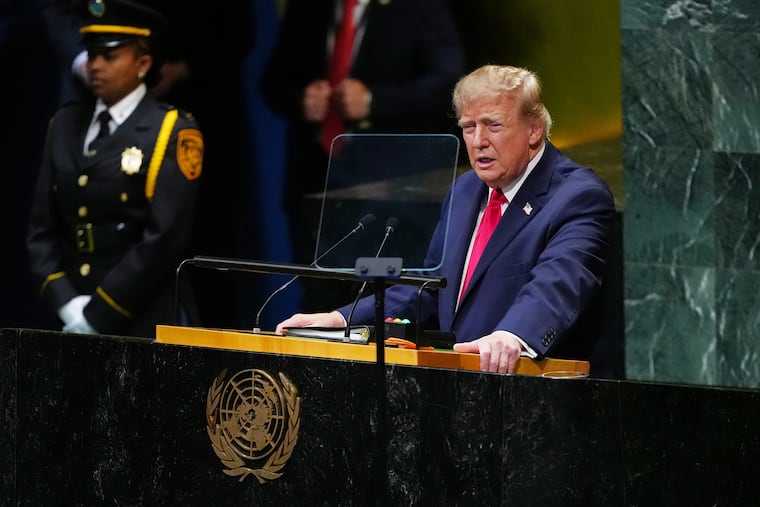
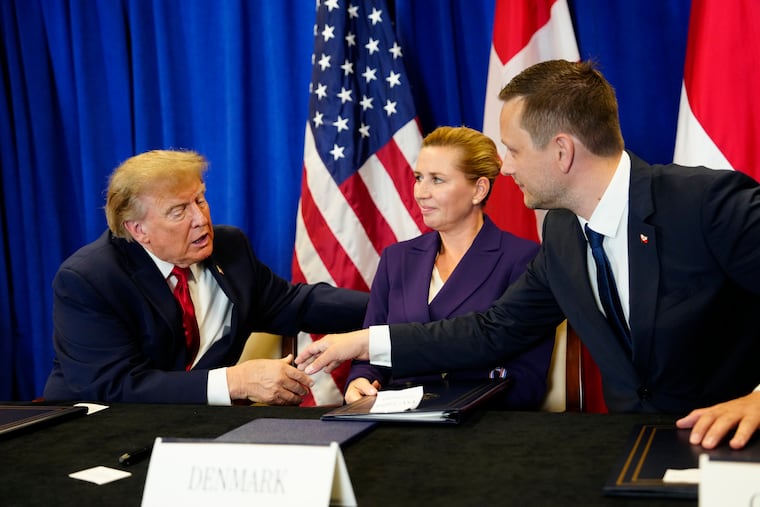
President Donald Trump, who also has been seeking fixes for an industry that now pays its players millions, got involved late Thursday, which helped push the parties back to the negotiating table.
Cody Campbell, the Texas Tech regent who has played a big role in shaping this policy, called the SEC and Big Ten support “a major breakthrough that moves us closer to a Senate vote — and a better future” for college sports.
Increased salary cap, new language entice holdouts
The most groundbreaking part of the reworked deal is the $27.5 million that schools would be allotted to retain players, in addition to the existing $21.3 million cap.
It could represent a major reworking of the House v. NCAA settlement, which governs paying players. The idea is that the extra money will take the place of payments from “associated entities” that were allowed beyond the $21.3 million cap. It was those payments that, many schools complained, obliterated any idea of a cap or controlled cost.
» READ MORE: Should Division I men’s soccer become a two-semester season? Here’s where Philly coaches stand.
The SEC and Big Ten sought stronger language in the bill to guarantee that any third-party deals are truly outside deals and not coming from the schools’ multimedia-rights partners, which currently broker the majority of those deals.
Among the questions still unanswered are whether the new cap will comport with the House settlement, which had specific instructions about the hard cap (22% of a certain part of revenues, which equals $21.3 million this season), and what would happen to the College Sports Commission, the main NIL enforcement arm that spends the bulk of its time analyzing third-party NIL deals.
Long road remains
Even with Friday night’s victory, the bill has a long road ahead. Sen. Tommy Tuberville, R-Ala., has been a staunch opponent of the bill since the beginning. Before the latest compromise, Sen. Bill Cassidy, R-La., said that “as written today,” the act “creates chaos and eliminates opportunity for student-athletes.”
Whether the SEC’s approval is enough to get those senators and others from SEC states on board is one issue. If the bill clears the Senate, it would still then need to pass the narrowly divided House, which flailed on another college bill called the SCORE Act, for more than a year.
There’s also the matter of whether smaller conferences, long in favor of the bill, will remain so now that their bigger competition is being allowed to directly pay players up to $48.8 million.
» READ MORE: Big 5 transfer portal tracker
Other court rulings
Almost everyone in college sports agrees that the status quo isn’t working.
The news about the bill broke only hours after the NCAA lost a pair of key court cases involving its new rule that would give most Division I athletes five years to complete five seasons of eligibility.
Using those losses as another chance to urge for passage of the bill, NCAA President Charlie Baker said “It is long past time leaders across college sports call for the immediate passage of the bipartisan Protect College Sports Act.”
Two-time national champion hoops coach Dan Hurley of Connecticut used social media to outline the stakes in more colorful terms: “Somebody please come and fix College Sports. It’s a complete [expletive] show,” he said, using an emoji where the expletive would go.