The Eagles’ lousy season has been full of what-ifs. Let’s answer some of them.
Fair questions are being asked about the Eagles' approach to a misbegotten 2026.
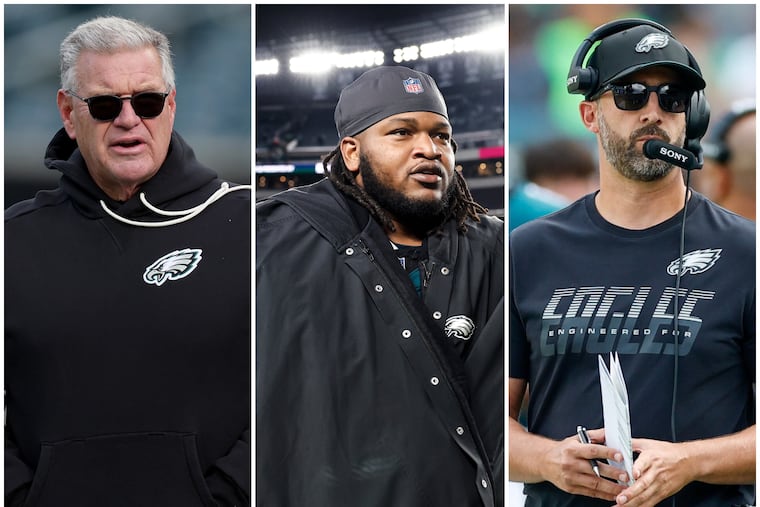
When an NFL team’s season goes as bad as this Eagles season has been going, there arise two impulses. One is to look ahead, to ponder what the franchise’s decision-makers might do to increase the talent, improve the coaching, change the culture, and stop the losing. The other is to look back, to wonder how a team like the Eagles — a team that within the last five years has reached two Super Bowls, won one, and qualified for the postseason five times — ended up swaying and listing in such rough waters.

Mike Sielski alerts
What if? isn’t always an unfair question, but it can be. It can strip away context, reframing history through the prism and luxury of hindsight, and it’s a particularly difficult question to ask in light of the Eagles’ recent success. If life is a chain of events, and that chain led to the greatest era in Eagles history, how do you separate even one of the links?
Except the bill for building that chain is coming due, and it is fair to consider whether the construction had to be so costly. So let’s ask three relevant what-ifs …
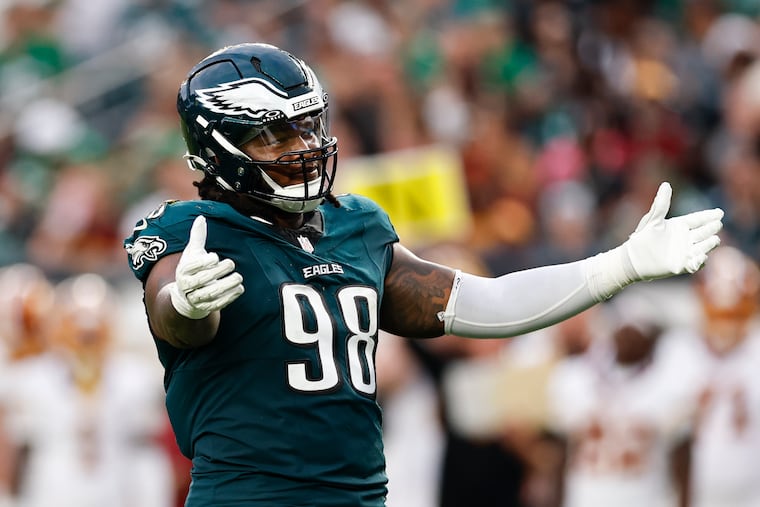
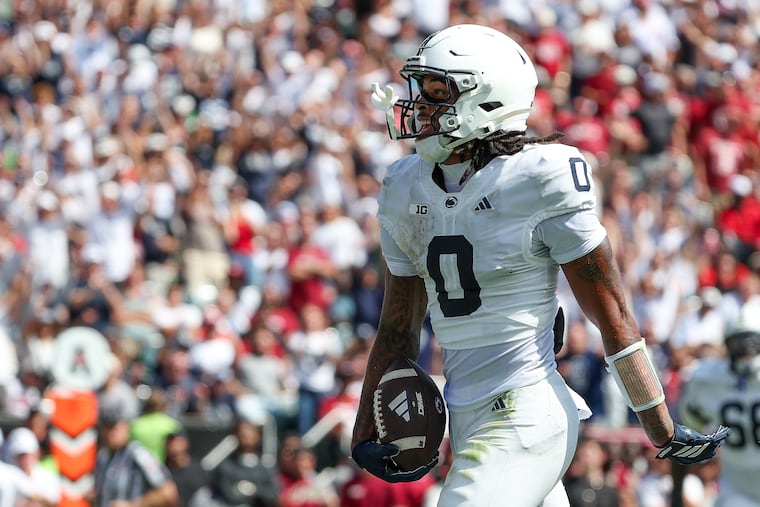
What if the Eagles hadn’t extended Jalen Carter’s contract before this season?
In July, the Eagles made Carter the highest-paid defensive tackle in the NFL, handing him a four-year deal worth as much as $160 million. Much was made of how long it took the two sides to reach this agreement — it was announced within 24 hours of the start of training camp — but in reality, the Eagles signed Carter as soon as they could. He was eligible for a new contract after his third NFL season, and he had finished his third NFL season.
Now, Carter is so talented — and the Eagles invested so much in him, trading up to draft him with the No. 9 overall pick in 2023 — that one could make a good case that they had no choice but to sign him. They weren’t going to let him walk away in free agency in a couple of years, and if he had an outstanding 2026, it would have been only more expensive to sign him. But aside from one game, that 19-17 loss to Jacksonville in London on Oct. 11, he has not been outstanding, and through his first three seasons, he has been genuinely great for, what, a season-and-a-half? For the first nine weeks of 2023 and all of 2024? What’s more, from his spitting incident last season to his refusal to take public accountability for his and the defense’s subpar performances this season, he has shown few signs if any that he’s maturing into the on-field game-wrecker and off-field leader the Eagles need him to be.
» READ MORE: Jalen Carter got his money. The Eagles have to hope he has grown up enough to earn it.
Had the Eagles waited to give him the extension, if he were still playing now on his rookie contract, would they be getting a better, more motivated Carter? If they had been more patient, might they have reconsidered letting Milton Williams — who in New England has been every bit as good as Carter, if not better — sign elsewhere?
What if Jeff Stoutland had remained the offensive line coach and run game coordinator?
It’s not so simple as saying, Everything would be better if Stout were still here. The Eagles wanted to change offensive systems, which necessitated changing their blocking schemes, and as terrific as Stoutland was, as tight as his relationships with the players under him were, the O-line was not the dominant force in 2025 that it had been in 2024. Something had to give, and I’m not sure how many franchises who were so committed to revamping their offensive philosophy would have held off on such a major shift out of deference to an assistant coach.
What if the Eagles’ purported culture problems can’t be solved by changing the head coach?
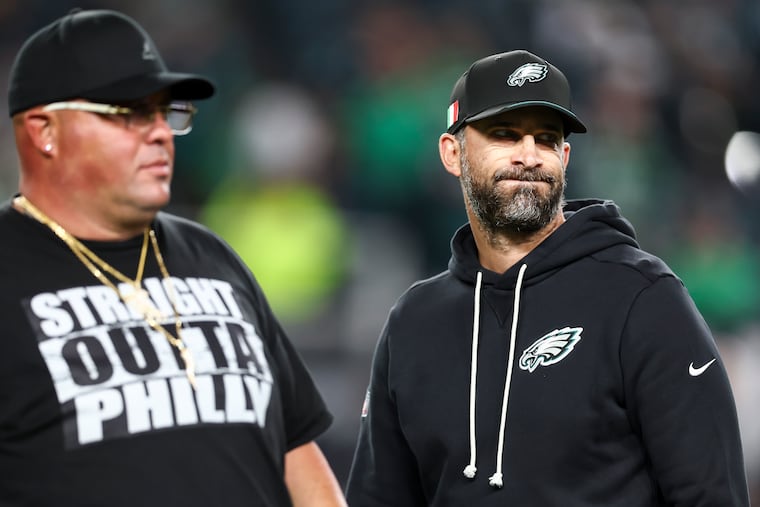
Let’s assume for the sake of argument that what Nick Foles said this week on his podcast is true: that “there is dysfunction” within the Eagles’ locker room. Let’s also assume that Nick Sirianni is trying to maintain a good culture, even if his efforts might not be working.
“I’m always thinking about how I coach the team,” Sirianni said after the Eagles’ loss to the Dallas Cowboys on Monday night, “whether it’s situational football, whether it’s fundamentals. I’m always committed to making these guys better men. With the guys [who] I think are leaders on this football team and coaches, it’s my job to help them become better leaders. I think the first and foremost thing that you do in those moments is you lead by example and you walk your talk. But we do talk, myself and the captains quite a bit or other guys just on the side, and try to give them pointers on things like that.”
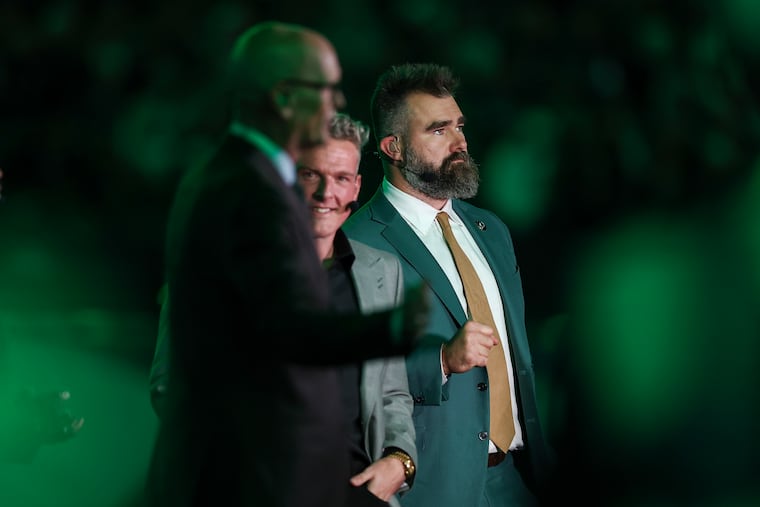
So, maybe the Eagles bid Sirianni farewell after the season. After all, if a coach who doesn’t call plays or design an offensive or defensive system can’t maintain good culture, what else does he do? But here’s the rub, the secret about “culture” within a pro sports franchise: It’s usually the players, one leader or a few key members, who have the most influence on it. Bill Russell, Tom Brady, Tim Duncan, Jimmy Rollins and Chase Utley: They and those like them are the true culture keepers.
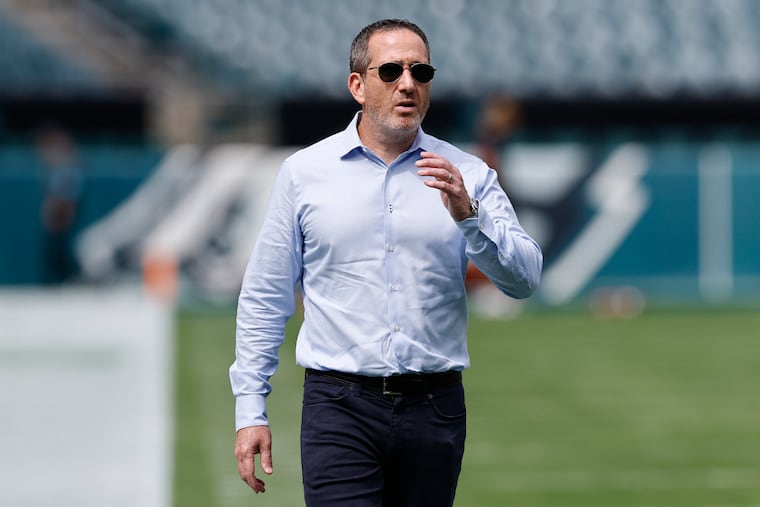
For years, under Sirianni and Doug Pederson and even under Chip Kelly, the Eagles have had such leaders: Malcolm Jenkins, Jason Kelce, Brandon Graham, Fletcher Cox, Lane Johnson, Jalen Hurts. Do they have that caliber of leadership this season, especially now that Hurts isn’t around? And will they have it in the years to come? If they don’t, it won’t matter who Jeffrey Lurie and Howie Roseman hire to replace Sirianni.

How were we so wrong? Heading into the season, the Eagles’ defense was supposed to be their strength. After Monday’s throttling by the Cowboys, the group reached a new low, especially on the defensive line, where major offseason investments and commitments were made. Why has a unit that showed promise in training camp failed to live up to expectations? And how will the Eagles’ five-game losing streak influence the organization’s approach to the NFL’s impending trade deadline? The Inquirer’s Jeff McLane and David Murphy tackle these topics and more the day after the Eagles’ 38-21 defeat to Dallas. Listen here.
Listen to all episodes here or wherever you get your podcasts.