What we know about the proposed Philly school closings
The district hasn't had a facilities master plan in years. Superintendent Tony B. Watlington Sr.'s current proposal would close 17 schools, co-locate six, and modernize more than 169.
Superintendent Tony B. Watlington Sr. has announced what he called the final version of the Philadelphia School District’s long-awaiting facilities master plan, with the school board expected to vote on the proposal Thursday.
The revised plan includes 17 school closures, three fewer than initially proposed. And 169 schools would be modernized, not 159 schools, with several additional projects focused in neighborhoods in Southwest and North Philadelphia that were hit hard during the last round of closures more than a decade ago.
» READ MORE: What’s happening to your Philly school under the proposed facilities master plan?
The proposed changes also resulted in a new price tag for the plan of $3 billion over 10 years, an increase over its initial $2.8 billion budget.
Here is what we know:
What’s happening to the district’s buildings?
Most district school buildings would be modernized under the plan — 169 in all. The district in January pointed to Frankford High, which closed for two years because of asbestos issues and just reopened in the fall with $30 million worth of work to spruce it up, as an example of modernization.
Many other schools would fall into a “maintain” category, meaning they would receive regular upkeep. A limited number of facilities would be co-located, meaning two schools would be housed under one roof, each with its own principal and team.
Previously, the district had proposed giving eight closed school buildings to the city for use in affordable housing and workforce development efforts, though those plans are now on hold, Watlington said. Though that plan has not been ruled out completely, Watlington said the pause was designed to allow the school board to have “more time to consider legal and policy considerations.”
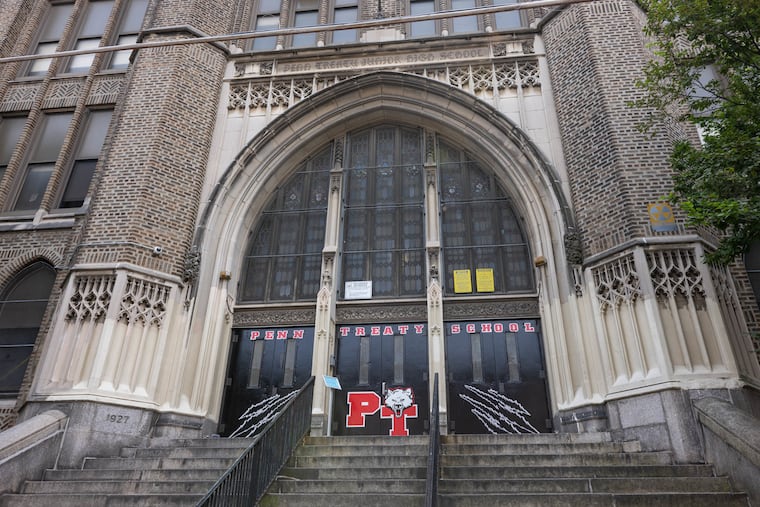
Finally, 17 schools would be recommended for closure. Among them is Penn Treaty, now a 6-12 school, which would close in its current form, but go on to house the current Bodine High School, a magnet in Northern Liberties. Bodine’s building would become the home of Constitution High, which now occupies a rented space in Center City.
As proposed, Watlington’s plan would cost $3 billion over 10 years. The district plans on funding $1 billion of the cost itself — leaving $2 billion unaccounted for that leaders are asking to come from state and philanthropic sources that have not been identified and are not assured.
Will some schools definitely close? Which ones?
Right now, the closures are just a proposal, and the school board is slated to have the final say. They could adopt all, some, or none of Watlington’s recommendations.
If the closures are approved, no school would be shuttered before the 2027-28 school year. And should some schools close, no job losses are expected, Watlington previously said.
Initially targeted for closure were Conwell Middle School in Kensington and Motivation High in Southwest Philadelphia, but both have since been spared — as has Ludlow Elementary in North Philadelphia. Conwell Middle and Motivation High are magnet schools that accept students citywide, and their proposed closures saw opposition from powerful allies, including several City Council members and Pennsylvania House Speaker Joanna McClinton.
Still on the closure list, however, is Lankenau High School, despite community members mounting a strong effort to keep it open — as is Paul Robeson High School. The district plans to retain the Lankenau building for environmental education uses, while the Robeson building’s future use will be determined following community conversations, Watlington said.
The board, meanwhile, is expected to vote on the plan Thursday. If approved, the vote would not actually trigger closures, which are governed by state education code that requires separate closing hearings.

Wholesale changes are coming to the Philadelphia School District, with Superintendent Tony B. Watlington Sr. proposing a $3 billion facilities plan. It includes closing schools, co-locating some, and modernizing many others.
Read more about the proposed changes here.
The school board is expected to vote on the plan Thursday.
What will happen to students who attend closing schools?
Affected students would be routed to new schools. A new transition office would work closely with impacted communities to make sure academics, attendance, and social-emotional needs don’t suffer, Watlington said.
“These families will get gold-standard, red-carpet treatment directly from the superintendent’s office,” he pledged earlier this year.
Why are these changes necessary?
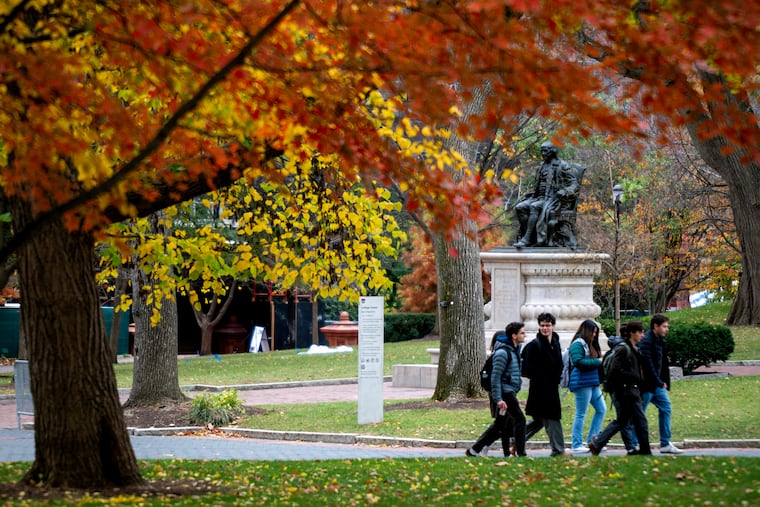
The district hasn’t had a facilities master plan in more than a decade. It has roughly 70,000 empty seats citywide, with some schools overcrowded and others with entire unused floors. It’s also got a lot of aging buildings — the average district school is nearly 75 years old — and many have environmental and/or significant systems issues.
Officials have said they want to solve district-wide disparities: Some schools have art, music, and ample space for physical education, plus extracurricular activities, and some have few of those things.
How were school buildings’ fates determined?
Watlington previously said there was no formula to determine his recommendations. But four factors entered into the decision: building condition, utilization, the school’s ability to offer robust programming, and neighborhood vulnerability — a new measure that considers things like poverty and whether the area has lived through prior school closings.
The district formally launched the final phase of its facilities master planning process in late 2024. Since then, officials have hosted dozens of community conversations and received more than 13,000 survey responses from people in every zip code in the city. Officials previously heard from a project team of 30 members and received feedback from nine advisory groups composed of more than 170 members.
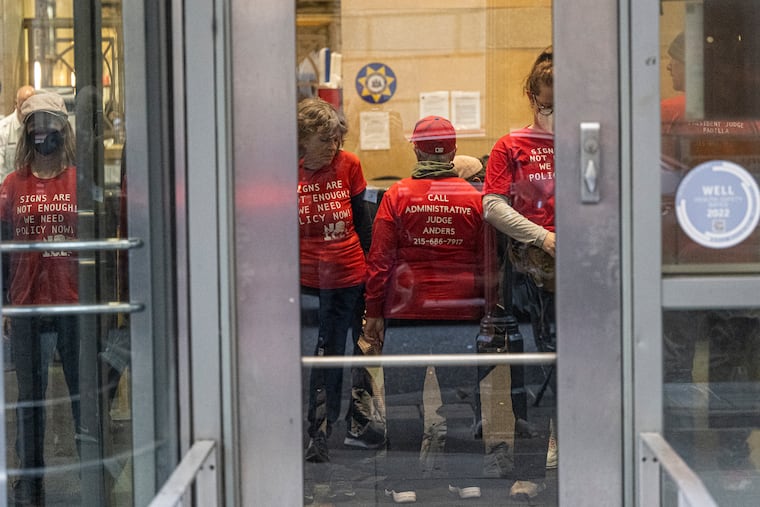
However, some of those members, and others, are skeptical of the process, saying they feel like their input was performative. In the fall, a grassroots coalition urged the district to pause the process, focus more on investments, and promise no closures.
Community conversations took place throughout February. Officials also accepted input via the facilities planning process website.
How long did it take officials to get to this point?
The draft plan has been years in the making, and comes following a previous attempt to make one that ended before it went anywhere.
Watlington launched this final phase of the planning process in fall 2024. Decisions were originally promised by the end of 2025, but that was pushed off when officials said they needed more time to gather feedback.
The district later launched surveys to gain more input, with the topline result being that Philadelphians didn’t want their local schools closed. Many respondents outlined fears about potential hardships that closing schools could create, such as longer walks to school or tough bus rides in unfamiliar or unsafe areas.
And they flagged worries about merging schools and having large grade spans in a single building.
When did the district last close schools?
Mass school closures last happened in 2012 and 2013, when 30 schools shut.
That process hit economically disadvantaged neighborhoods disproportionately, did not yield substantial savings, and generally led to worse academic outcomes and attendance for students.
The mistakes of 2012 informed this go-round, officials said. They have promised better services for schools, students and families affected by any coming transitions.