Temple’s president received $1.47 million in 2024 even though he had resigned a year earlier
Such "separation payments" have become common in higher education but can draw ire on campuses, especially in an era of layoffs.
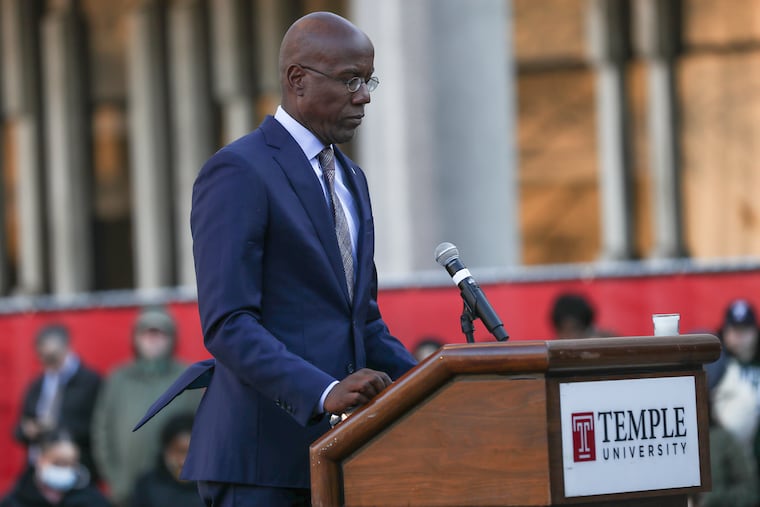
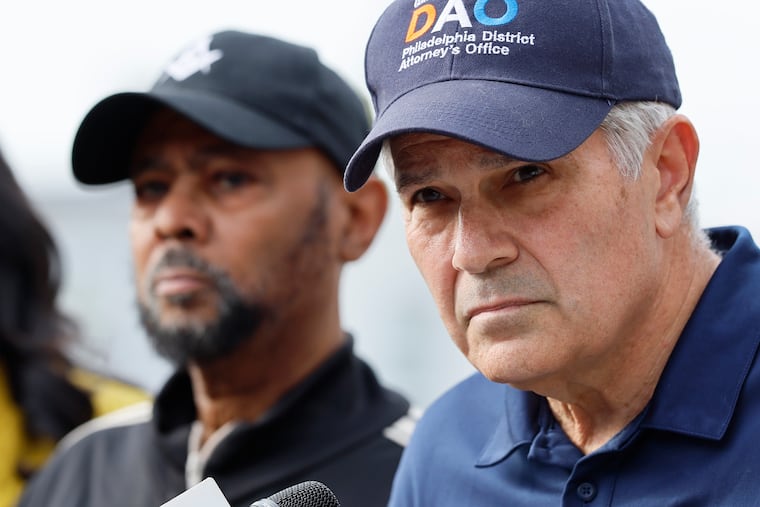
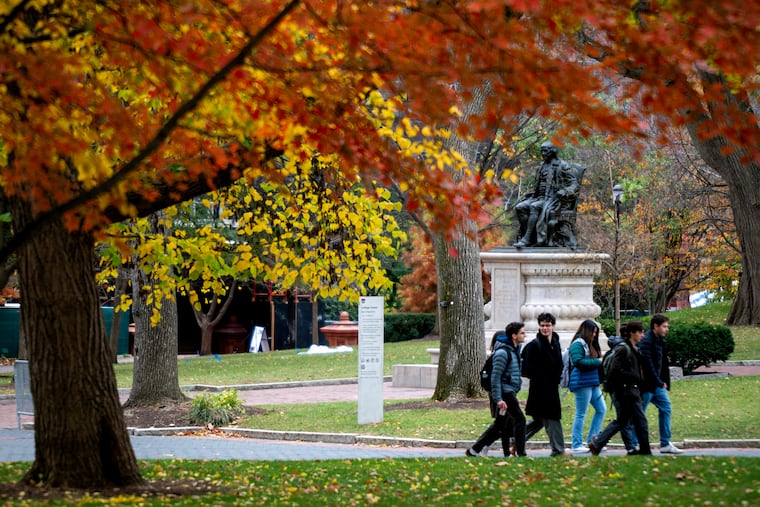
Temple University paid former President Jason Wingard $1.475 million in 2024 even though he resigned the year before amid criticism of his leadership.
The university called the money “separation payments” in its most recent tax filing where the financial arrangement was disclosed.
Wingard also had received $1.1 million in 2023, even though his resignation took effect in March of that year. Wingard faced criticism of his leadership after a graduate student worker strike, the shooting death of a university police officer, and a continuing decline in enrollment. His resignation came as the Temple Association of University Professionals, the faculty union, was preparing to hold a vote of no confidence in him.
» READ MORE: Former Temple president Jason Wingard received more than $1.1 million in compensation the year he resigned
It’s unclear if Wingard continued to get paid in 2025, and that won’t become public until next year’s tax filing. Temple declined to comment, citing personnel issues. Wingard, who began working for the university in July 2021, had a five-year contract.
Such separation payments are increasingly common in higher education and something that candidates request because of the volatility of the job, one higher education expert said.
“They know the risk of getting fired is pretty high and they want to make sure they are made whole,” said Robert Kelchen, a professor in educational leadership and policy studies at the University of Tennessee, Knoxville.
The University of Pennsylvania also paid former president Liz Magill $4.4 million in total compensation in 2024, the year after she resigned as president. Magill stepped down in December 2023 after a bipartisan backlash over her testimony about the school’s handling of antisemitism complaints.
» READ MORE: Liz Magill received $4.4 million from Penn the year after she resigned as president
But such agreements can draw ire from employees, especially in tight budget times. Faced with budget challenges, Temple is preparing for some layoffs this year; schools and centers at Penn also have been asked to cut their budgets by 4%.
“It’s unconscionable that we are being forced to cut to the bone for the teaching and research mission of the university, while we are paying a handful of people these obscene amounts of money,” said Jeffrey Doshna, president of the Temple Association of University Professionals, the union that represents faculty, librarians and other academic professionals.
That money should be spent on students and instructional costs, he said.
» READ MORE: After a tumultuous tenure, Jason Wingard has resigned as Temple University president
Kelchen agreed it’s “a tough pill” to swallow, but pointed out that the payments are pretty minor compared to the schools’ overall budgets, which at Temple is nearly $1.3 billion and at Penn is nearly $5 billion excluding the schools’ health systems.
Still, such arrangements amount to universities essentially rewarding leaders for lack of success, said Julie E. Wollman, a professor of practice at Penn’s Graduate School of Education.
“Universities pay people to sign a nondisclosure agreement and go away and not sue them,” she said. “At Penn, it was such high stakes they were probably willing to do almost anything to end that and get somebody new in.”
At Temple, university officials declined to say at the time of Wingard’s resignation whether they would pay out his contract or offer some other kind of settlement.
Wingard’s tenure at Temple was turbulent. In spring 2023, the university endured a 42-day graduate student worker strike and the killing of on-duty university police officer Christopher Fitzgerald, igniting concerns about campus safety. The faculty union was preparing to hold a vote of no confidence in him at the time of resignation citing noncontract renewals for some nontenured faculty, public-safety concerns, and vacancies in some key administrative jobs. The union also had raised concerns about university finances and cited Wingard’s seeming lack of presence on campus.
Wingard isn’t the only former Temple leader who was paid after being ousted. Former football coach Roderick Carey, who stopped working for Temple Dec. 31, 2021, received $1.59 million in 2024 — more than Wingard. He earned the same amount in 2023. He was fired in 2021 after three seasons and with three years left on his contract.
Former basketball coach Aaron McKie stepped down in 2023 and transitioned to the role of special adviser for athletics. He received $263,000 in separation payments in 2024, according to the tax document.