McGlinchey’s Bar, which closed last summer, is now on the market
$2.45 million will buy you a shot of Philly bar history — and even the name.
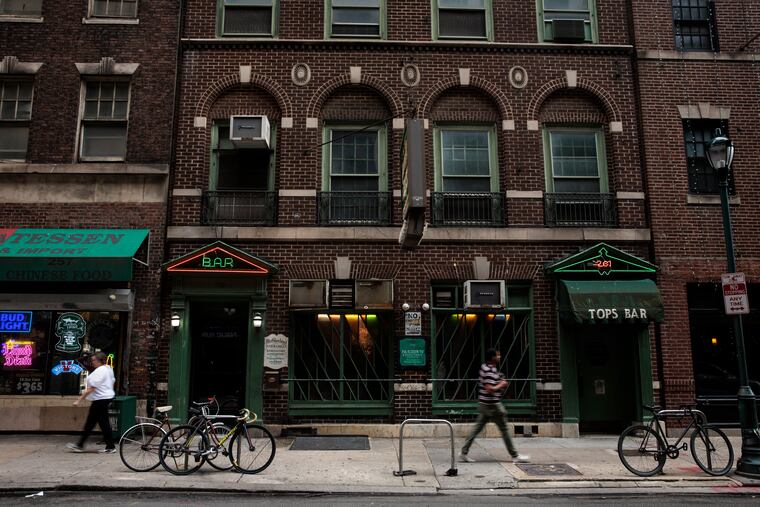
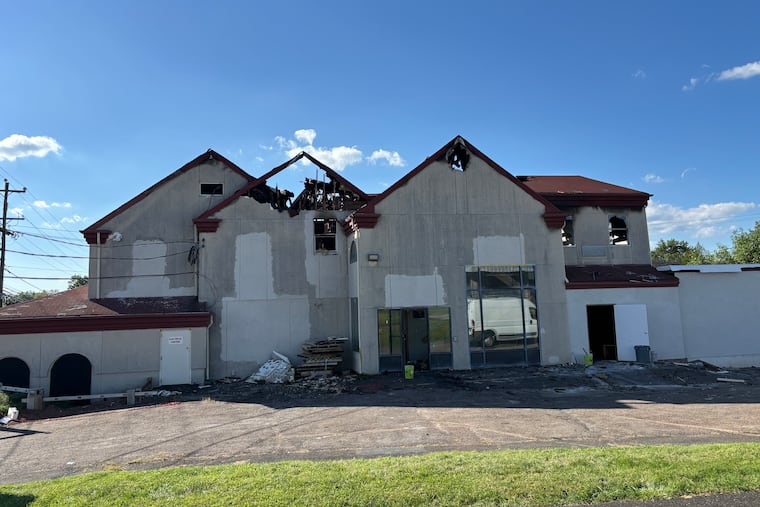
McGlinchey’s Bar, which survived decades of shifting tastes, smoking laws, and disco, is now on the market, five months after its closing.
The asking price for the property at 259 S. 15th St. is $2.45 million, according to the listing, which is being handled by Nadia Bilynsky and Dennis Carlisle of MPN Realty on behalf of the Sokol family, which has owned the building since 1968.
» READ MORE: Mourning McGlinchey's: The regulars share memories
The family is selling not only the century-old building — with bars on two floors and a vacant third floor — but its liquor license and the McGlinchey’s name.
For generations of regulars, McGlinchey’s was known less for reinvention than for what it refused to give up: cash-only tabs, smoking long after most bars banned it, and prices that seemed detached from inflation. It seemed to outlast trends simply by ignoring them.
And if walls could talk, McGlinchey’s would probably ask for another shot before answering.
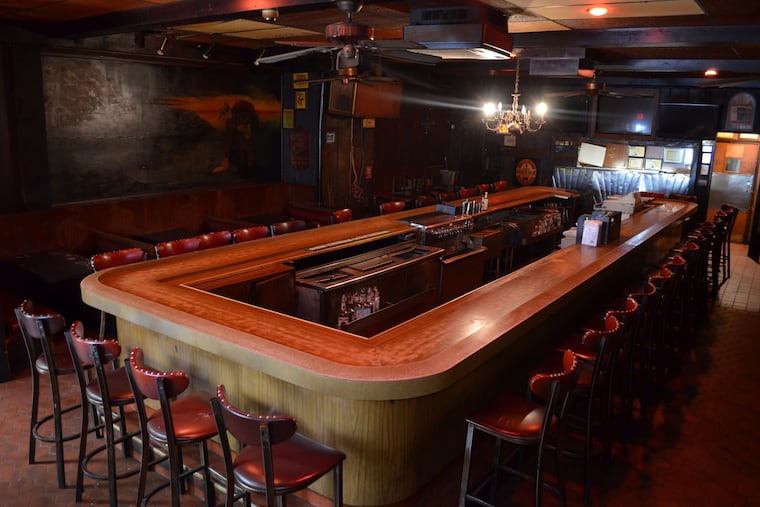
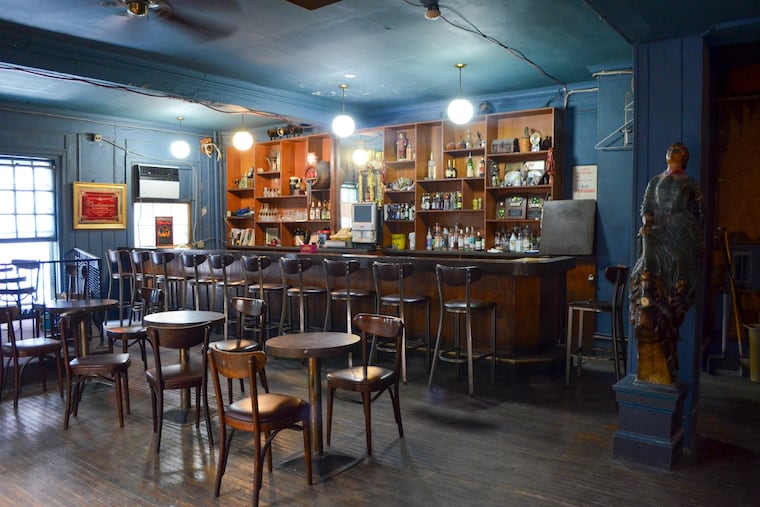
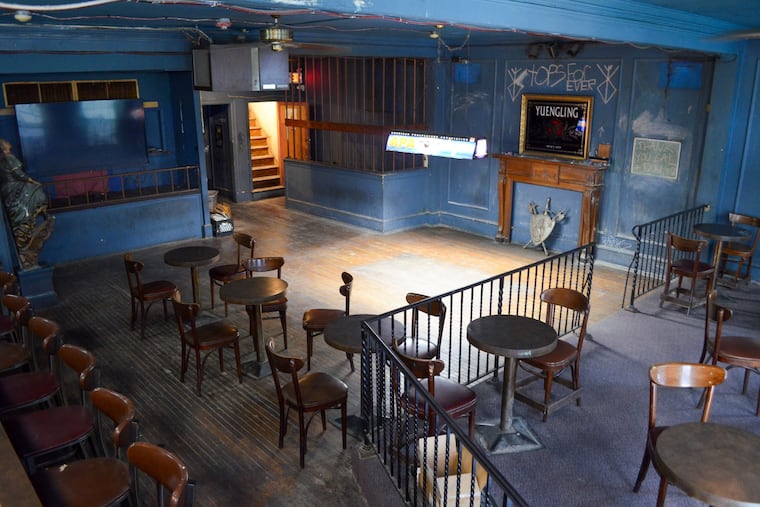
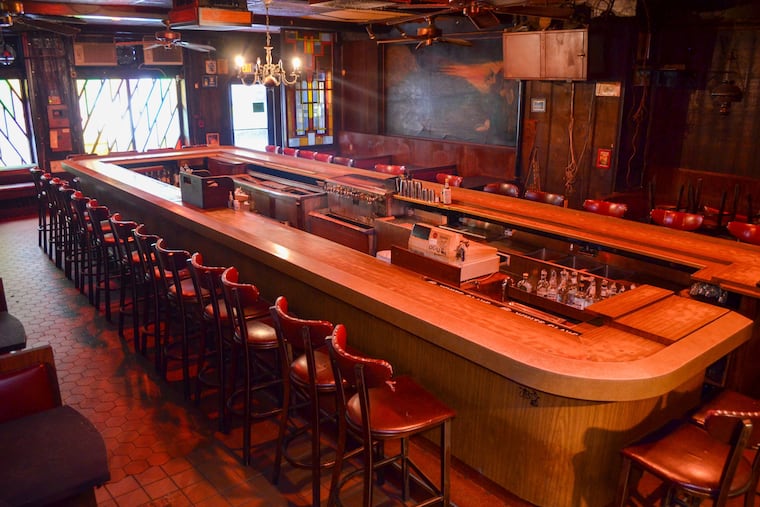
Its building, on 15th between Locust and Spruce Streets, opened in 1922. For the first decade, it housed offices for the Allen-Sherman-Hoff Co. In 1932, Joseph A. McGlinchey bought it, leasing the first floor to a book and gift store called the Odd Shop, opening McGlinchey’s Restaurant on the second floor, and living upstairs.
The bar downstairs opened in the 1950s, and Henry Sokol purchased the business in 1968. In 1976, he converted the second floor into Top’s Bar, which began as a disco, later hosted music and poetry, and eventually became an extension of McGlinchey’s itself.
Five decades ago, the neighborhood sat on the seam between old Center City grit and the city’s new, corporate face; the clientele continued to reflect a broad cross-section of society.
After Henry Sokol’s death in 1985 — the year construction began on One Liberty Place, the city’s first building taller than William Penn’s hat on City Hall — McGlinchey’s was passed along to sons Ronald and Sheldon.
Ron Sokol died in 2022, and last summer’s closing was prompted by Sheldon’s retirement.
“It was just time,” said Sandra Sokol, Ron’s widow.
Sheldon Sokol was the daytime manager, while Sandra Sokol said she handled administrative work behind the scenes. Douglas Sokol, Ron and Sandra’s son, worked at the bar, too.
For Sandra Sokol, the bar’s meaning extended well beyond its balance sheets. “We used to joke that we had two children, but McGlinchey’s was [Ron’s] third child,” she said. “It was that important to him. He was really responsible for what it became.”
Under Henry Sokol, she said, the business began as a more traditional restaurant and gradually evolved. “When Ronnie began hiring art students as bartenders and waitstaff, that’s when it started to shift into something more edgy,” she said. “What it became wasn’t planned. It just morphed that way, the way family businesses often do.”
That evolution extended upstairs as well. Sandra Sokol recalled visiting Top’s in its early disco days. One night, her sister, visiting from out of town, was asked to dance by a man who turned out to be a carpenter, still wearing his tool belt — hammers and all — straight from work. “It was that kind of place,” she said. “Spontaneous, serendipitous moments.”
Those moments, she said, added up to something larger. “People would often say — and I agreed — that it was like the experience of Cheers,” she said. “It was more than a bar. More than a business. It became an institution — and in many ways, an extension of our family.”
Even the bar’s most controversial feature — smoking — was handled pragmatically. “It was a double-edged sword,” she said. “If they banned smoking, they might gain new customers, but they would lose longtime ones.”
When Ron Sokol died, former employees turned out for the memorial. “So many people who had worked at McGlinchey’s over the years came and told me how important the bar had been in their lives,” she said. “I’m not really talking about the business side — I’m talking about the presence it had in people’s lives.”
Among its alumni was Fergus Carey, the serial Philadelphia bar owner, who got his start in the industry there, as did his business partner, Jim McNamara. Carey said they had considered putting in an offer on McGlinchey’s, “but at this point, Jim and I have let it go in our hearts. We met so many people there — people we worked with, people we served, people who became friends. It was an important steppingstone for both of us, professionally and personally. It’s a big part of our history in this business.”
As the property changes hands, Sandra Sokol said she hopes its identity survives the transition. “I would really like it to remain McGlinchey’s and for a new owner to keep it as close as possible to what it was,” she said. “I especially feel that way because I know Ronnie would have wanted it to continue into the next chapter.”