Temple Women & Families Hospital is opening Sept. 3
Temple's main campus will no longer provide labor and delivery services as of Sept. 3.

Temple Health will relocate its maternity labor and delivery services to a new North Philadelphia facility on Sept. 3.
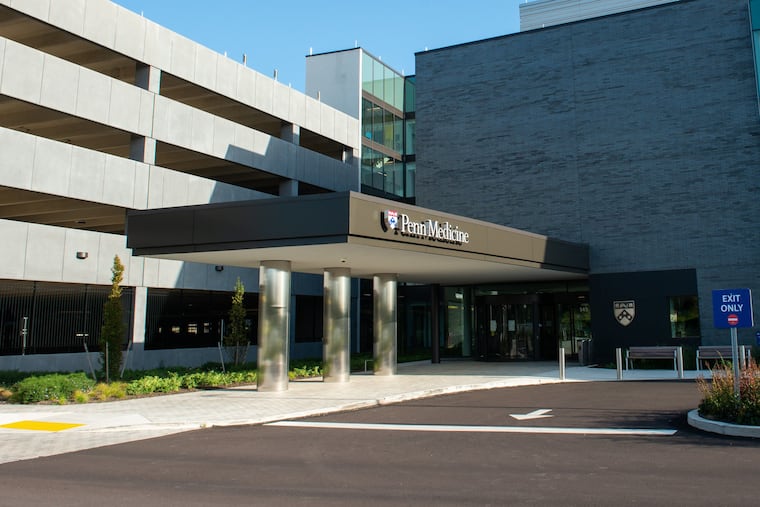
The new Temple Women & Families Hospital is located at 1331 E. Wyoming Ave. Temple purchased the property, formerly the Cancer Treatment Centers of America, for $12 million in 2021. The facility includes a larger neonatal intensive care unit, private patient rooms, radiology, mammography, and other women’s health services.
Labor and delivery emergencies will still be handled at the main campus, which has a Level 1 trauma center.
Temple postponed the opening for more than a month after nurses and doctors had expressed concern that staff assigned to the new facility weren’t familiar enough with the new layout. They also worried that staff remaining at Temple’s main campus wouldn’t know how to handle labor and delivery emergencies, because most specialized staff will be transferred to the new hospital.
Temple University Hospital CEO Abhinav Rastogi said the goal of moving labor and delivery to a dedicated facility is to focus more resources on addressing some of the factors that contribute to maternal and infant mortality.
Temple plans to introduce new prenatal and postpartum depression and anxiety support and approach detox services for infants born to mothers in addiction in ways that weren’t possible within the maternity ward’s limited space on the main campus. There is also has an on-site office for the Women, Infants, and Children (WIC) program to help low-income families connect with nutrition assistance before leaving the hospital.
“We want to build for the future of Philadelphia,” Rastogi said.
Advancing maternity care
Rastogi said he wants the new hospital to set a national example for maternity care with new programs targeted at pressing maternal health issues in Philadelphia.
For instance, the new hospital has a dedicated unit for babies that need to remain at the hospital for a few days but do not require care in a neonatal intensive care unit. This will be valuable for helping families whose babies are born with opioid dependency, said Sharon Kurfuerst, executive director of Temple Women & Families Hospital.
Hospitals often use medication to help detox babies going through withdrawal after birth. But research has found that an “eat, sleep, console” approach, which emphasizes skin-to-skin contact and a calm environment, is more effective.
The maternity ward on Temple’s main campus had little space to dedicate, but the new facility has room for nurses to work individually with families. Kurfuerst said she hopes the approach will help families learn the basics of infant care and feel better prepared to bring their baby home.
Safety training
Temple had initially planned to open the facility in July, but pushed back its plans to provide more staff training.
Rastogi and Kurfuerst said staff have now spent months running potential emergency scenarios at all hours of the day and night.
At the new hospital, staff trained with a medical supplies scavenger hunt, plus hands-on drills.