Once-booming Iceland suffers a sudden freeze
In '07, "best country to live in." Now, jolted by economic crisis.
REYKJAVIK, Iceland - Until recently, 25-year-old Audur Elin Sigurdardottir was living a modest Icelandic dream - renting an apartment and two cars with her boyfriend on their one full-time and one part-time salary.
"Now I live at home with my mom, I work three jobs, and it's still not enough to pay my debts," she said as she digested the island's daily onslaught of bad news over a calming glass of wine.
Iceland's financial meltdown isn't just a banking calamity - it is turning lives upside down across this once-affluent nation.
Just last year, Iceland won the United Nations' poll for "best country to live in."
Its residents were rated the most contented in the world, the stock market was booming, cash-rich companies were on an acquisition spree across Europe, and Icelanders enjoyed one of the globe's highest per capita incomes.
No more. The global financial crisis has washed up hard on the shores of this volcanic island of 320,000, its decision to swap cod fishing for a complex debt-laden economy exacting a heavy toll.
For Icelanders, the biggest problem is that they were encouraged to upgrade to a more luxurious lifestyle, tempted to buy houses and cars financed by 100 percent loans based on a spread of foreign currencies.
The
Myntk Jorful Dan,
or breadbasket, loans were immensely popular because of their low interest rates compared with loans based on the then-strong krona. But thousands of people are now defaulting as the Icelandic currency plummets.
Classified ads are mushrooming in which car owners offer cash of up to 770,000 krona ($6,300) to anyone willing to take their car off their hands and take responsibility for their loan.
When the country deregulated its financial industry in the mid-1990s and created the Icelandic stock exchange, the boom in paper wealth funded a generation of banking entrepreneurs who set out to conquer Europe.
Back home, Icelanders eagerly took their share of the boom, with the average Icelandic family seeing its wealth surge by 45 percent in just five years. Now, seemingly overnight, most of that wealth has evaporated.
"I am really afraid of what's going to happen," said Alexandra Sif Herleifsdottir, 19, a bar worker.
Icelanders are also increasingly angry, looking for somewhere to point blame for the country's spectacular fall.
Olafur Sigurdsson, 21, a school worker, is furious at both banking executives who have retreated behind closed doors and government officials, who have been making daily incoherent TV appearances to explain the crisis.
"These people are going on TV and we can see in their faces that they are powerless," he said glumly.
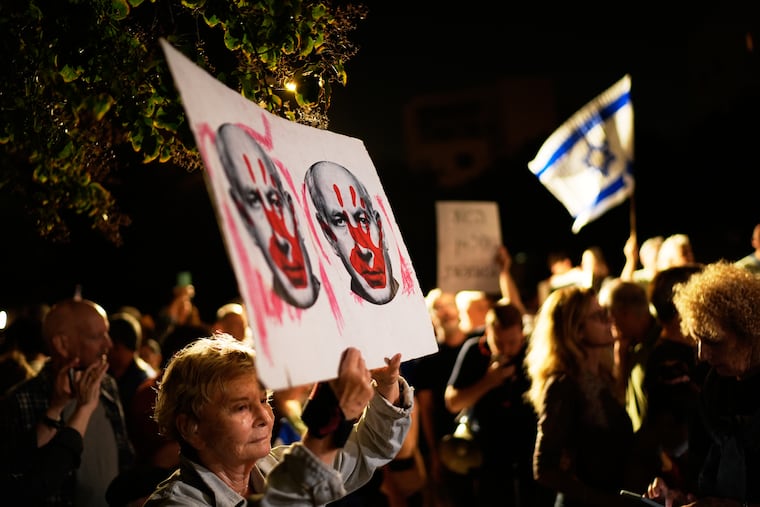
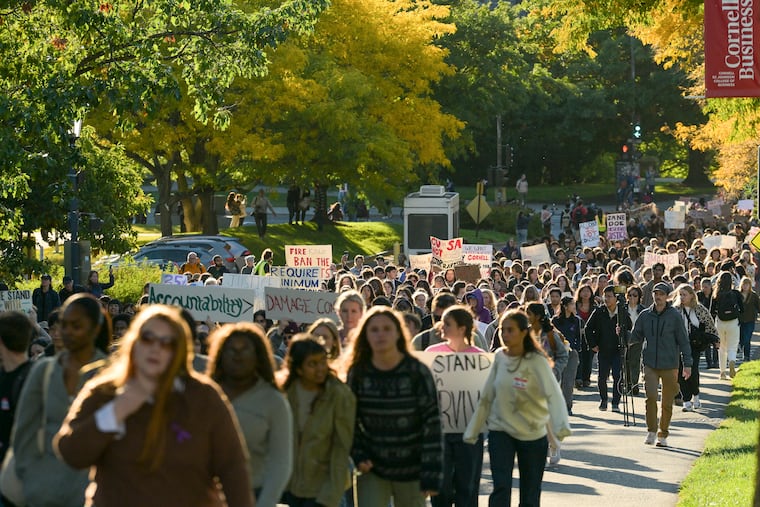
Elisabet Jokulsdottir carried a sign at a protest rally outside the central bank offices in Reykjavik: "Stay calm while we rob you."
Soaring inflation and interest rates have been compounded by a banking-system collapse of epic proportions that Prime Minister Geir H. Haarde has acknowledged will take the tiny Nordic nation years to recover from.
In the last week, the government has used emergency powers to take control of the country's three major banks, and trading on the stock exchange has been suspended.
"There's a feeling in the air I've never felt before," said Olaf Helgason, 21. "It's almost like 9/11 again. It feels like we are going through something that only happens once in a lifetime."