SNAP benefits are freezing this Saturday. Here’s what Philadelphians need to know.
SNAP benefits will shut down on Nov. 1. Here's a breakdown of how that will affect Philadelphia.
Update: On Friday, two judges ordered the Trump administration to use contingency funds for SNAP payments during the federal government shutdown.
All SNAP benefits will be halted Saturday as the federal government shutdown continues and President Donald Trump rejects the idea of tapping into contingency funds to remedy the situation.
This means no new Supplemental Nutrition Assistance Program (SNAP) funds will be added to the EBT debit cards that 40 million Americans and approximately half a million Philadelphians use to pay for groceries.
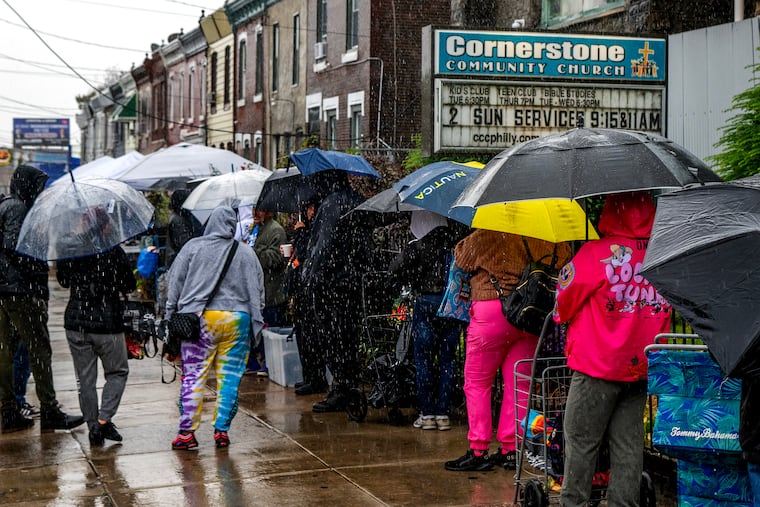
» READ MORE: Need food assistance? Here’s where to find free groceries, meals, and community fridges near you.
SNAP benefits, also known as food stamps, help impoverished households, mostly families with children, pay for groceries. A family of four must make less than $5,200 per month to qualify in Pennsylvania.
“If SNAP benefits are not distributed in November, the effects will be felt immediately,” said Maria Raha of Philabundance, the city’s largest food bank. “This will leave over 800,000 people in our region without access to the food they need — including mostly families, children, seniors, and people with disabilities."
The majority of SNAP recipients, who are among the poorest households in the country, are families with children, with nearly half of Pennsylvania recipients in families with members who are disabled or elderly, according to the Center for Budget and Policy Priorities.
Many Philadelphians are scrambling to figure out their options, Community Legal Services staff attorney Mackenzie Libbey said. “People are calling us, and I think they’re really hoping that we’re going to say, ‘Oh no, that’s not true. Of course you’re going to get your November benefits.’ And we have to tell them, ‘Nope, that’s correct,’” she said.
Here’s what you need to know about the upcoming SNAP halt.
Why are SNAP benefits stopping?
The federal government shut down on Oct. 1 — the second longest on record — due to Democrat and Republican lawmakers failing to pass a budget to fund federal services. Since then, federal funds for services like SNAP benefits have been halted. Funding for LIHEAP, the energy bill assistance program, is also delayed until at least Dec. 3. The Inquirer has a guide on navigating the LIHEAP delays.
Additionally, the United States Department of Agriculture (USDA) will not tap into $5 billion in federal contingency funds to keep aid flowing. The USDA’s shutdown plan originally had included the potential use of contingency funds for SNAP, but that plan was removed from the USDA’s website, according to Reuters.
» READ MORE: ‘Grocery buddies’ take action to help neighbors amid SNAP uncertainty
SNAP benefits for October were already distributed, allowing recipients to use those remaining funds until they run out. However, with November starting on Saturday, no new funds will be distributed due to the budget impasse.
Will my SNAP benefits roll over into November?
Yes. Any unused SNAP benefits will still be available on EBT cards on Saturday, Nov. 1, but no new funds will be added during the funding freeze.
Community Legal Services, Philly’s low-income legal resource, urges people not to rush to drain their SNAP benefits, as already-allocated funds will not disappear, said Libbey.
Are SNAP benefits going away forever?
No. There are no plans for SNAP, one of the oldest benefit programs in the country, to end. However, this is the first time the program will be shut down in decades.
Pennsylvania’s Department of Human Services (DHS) will contact recipients with any changes.
How much do Philadelphians receive in SNAP benefits per month?
In Philadelphia, 470,000 residents receive SNAP benefits.
Across Pennsylvania, the average SNAP household receives on average $285 per month, which, according to Consumer Affairs, can be stretched thin when the average Pennsylvania household spends that much on groceries in a single week.
Nationwide, the average monthly SNAP benefit is $180, or $6 per day.
How many children receive SNAP benefits?
Around 16 million children nationwide receive SNAP benefits, making up a little more than one out of every three SNAP recipients, according to the United States Department of Agriculture. Across Pennsylvania, close to 1 million children receiveSNAP benefits.
What can you buy with SNAP benefits?
SNAP recipients can use their benefits to pay for basic grocery necessities, including:
Fruits and vegetables
Meat, poultry, and fish
Dairy products
Breads and cereals
Certain snack foods and non-alcoholic beverages
Seeds and plants that can produce food for the household to eat
SNAP recipients can’t use their funds to buy alcohol, tobacco, or foods that are hot at the point of sale. It also can’t be used to buy vitamins, medicine, or supplements, including products containing controlled substances like cannabis or CBD.
Pet foods and personal hygiene products are not included in SNAP benefits either.
How to help people losing SNAP benefits
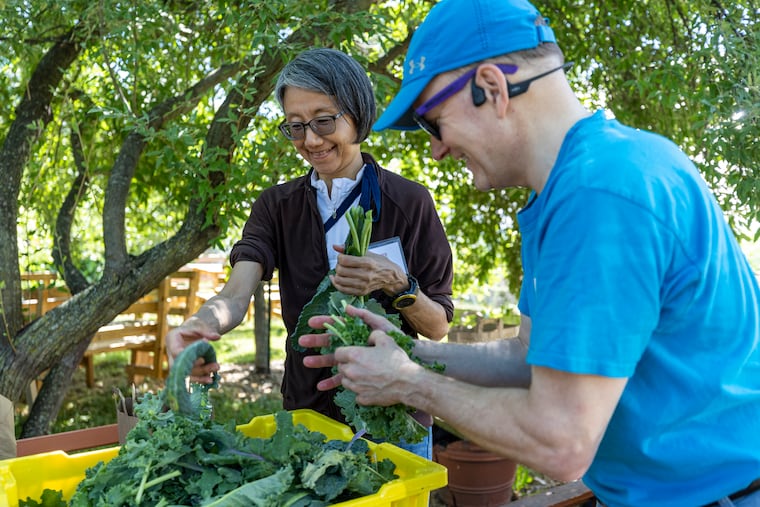
A direct way to help those in need is to volunteer and donate to the region’s food banks and distribution systems. In Philadelphia, the largest food providers are Philabundance and the Share Food Program.
“We can only get through this together,” Raha said. “The best thing the public can do right now is to help their neighbors by donating, volunteering, or contacting legislators and urging them to come to a bipartisan agreement to end the shutdown.”
Find food sites and organizations to help using the city’s “Food and meal finder” at phila.gov/food.
How many states are suing over SNAP benefits?
On Tuesday, attorneys general and governors from 25 states — including Pennsylvania Gov. Josh Shapiro — and the District of Columbia filed a lawsuit in Boston federal court after the USDA said it would not use $5 billion in contingency funds to pay for SNAP benefits.
For context, the program costs around $8 billion per month to distribute SNAP benefits nationwide.
A federal judge in Boston will consider a motion Thursday in the lawsuit that could force the Trump administration to tap into the contingency funds. Plaintiffs argue that the failure to maintain SNAP funding was “illegal, arbitrary, and capricious.”
Have SNAP benefits been stopped before?
This is the first time in the program’s history, since its beginning in 1964, that SNAP recipients won’t receive benefits. The federal government has always come up with a contingency funding program until now, which has led many states to scramble to allocate funding, as some Pennsylvania lawmakers already proposed.
The Associated Press and Reuters contributed to this article.