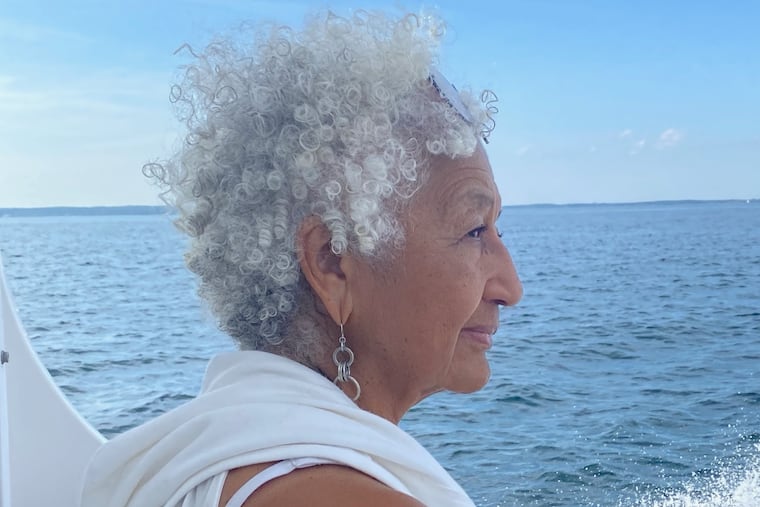
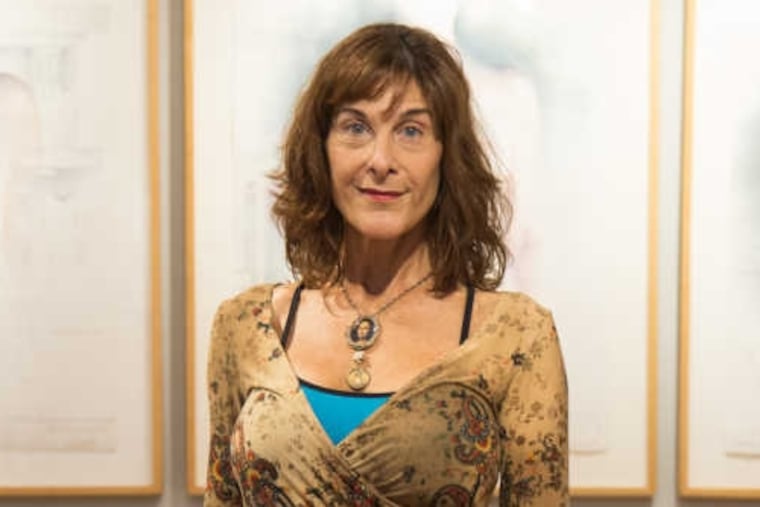
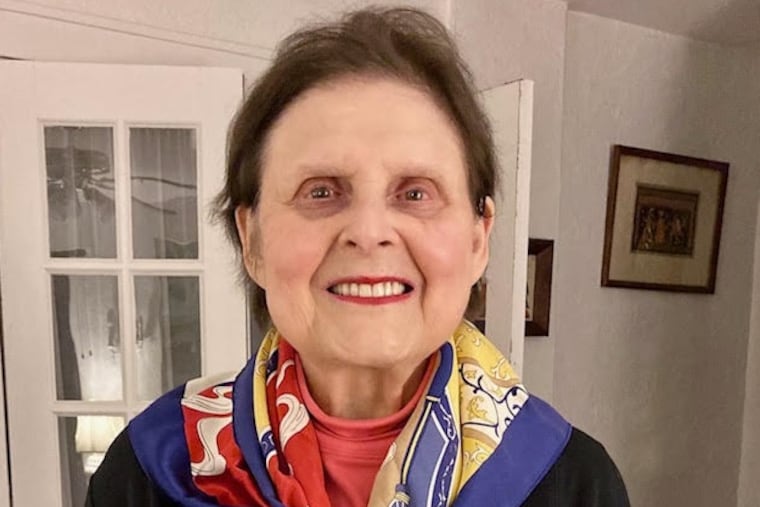
T. Kaori Kitao, Swarthmore professor emerita of art history and pioneering transgender scholar, has died at 93
For 35 years, from 1966 to her celebrated retirement in 2001, she taught studio art and art history, and mentored hundreds of students and colleagues.
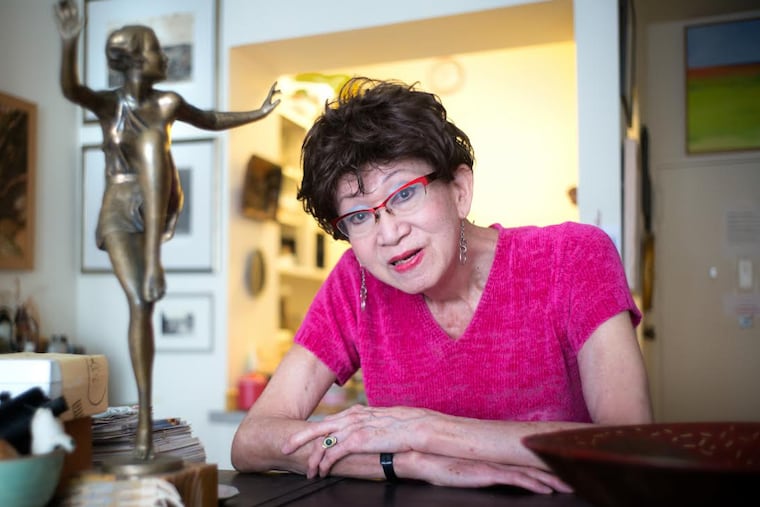
T. Kaori Kitao, 93, formerly of Swarthmore, retired professor emerita of art history at Swarthmore College, art education innovator, mentor, and pioneering transgender scholar, died Monday, Sept. 21, of age-associated decline at an assisted living center in New York.
Born in Japan in 1933, Professor Kitao grew up in Tokyo during World War II and persevered for years through hunger, poverty, and violence. She learned English and graduated from an international missionary school in Yokohama when she was 19, and came to the United States in 1952.
She earned a bachelor’s degree, a master’s degree, and a doctorate in architecture and art history, and joined the growing art history department at Swarthmore in 1966. For 35 years, until her celebrated retirement in 2001, she taught studio art and art history, and mentored hundreds of students and colleagues.
Colleagues called her “a Renaissance scholar” in a recent tribute and said: “As the college’s first openly transgender faculty member, she also modeled what it means to pursue both intellectual rigor and fearless personal integrity.” She said in 1997: “I can best describe that I assumed a male identity until I was 38, when I regained my rightful womanhood.”
As an expert in architecture, design, communication, cinema, and Japanese culture, Professor Kitao expanded Swarthmore’s attention to the arts and successfully integrated her curriculum with courses in technology, mathematics, and other disciplines. Swarthmore president Valerie Smith called her a “brilliant, pioneering scholar” and “a mentor to countless students and colleagues.”
She taught classes on Renaissance and Baroque art, and architecture from Philadelphia to Hollywood to Tokyo. “Kitao’s classes were legendary” colleagues said. A former student said on Facebook: “Her work at the college was transformative.”
She told colleagues in 1976: “I loved teaching courses that were new to me because I had to do my reading day by day, along with the students. The point is to enjoy learning and expanding one’s horizons so you develop that habit. School doesn’t end with college.”
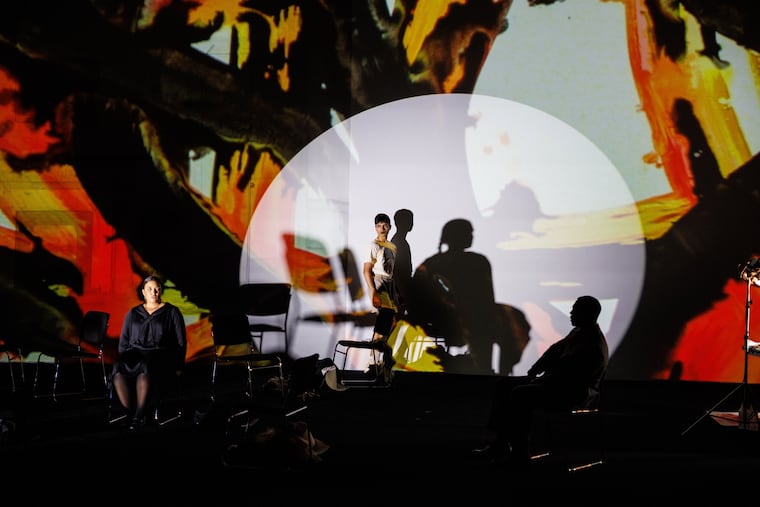
In addition to art history, Professor Kitao championed the expansion of Swarthmore’s dance, theater, film, and media programs. She was chair of the art history department from 1975 to 1981, made numerous keynote addresses, blogged about life, and wrote papers and articles about architecture and history, and program notes for former students.
She also won awards and grants, and lectured often around the country about art and culture. She belonged to at least eight professional associations and societies.
Before Swarthmore, she spent a year on a fellowship in Rome and taught for three years as an assistant professor of architectural history at the Rhode Island School of Design.
Colleagues noted her generosity and curiosity. In 2001, the Student Art Association established the Kitao Student Art Gallery on campus in her honor. On her 80th birthday, she donated $275,000 to establish Swarthmore endowments in mathematics, cinema history, and the List Gallery, and a fellowship in humanities research.
Tomoko Sakomura, Swarthmore professor of art, said Professor Kitao “brought joy, whimsy, and her razor-sharp wit to every space she entered.” Brian Goldstein, chair of Swarthmore art history, said: “Most of all, she taught students how to see.”
T. Kaori Kitao was born Jan. 30, 1933. She did drafting for an architecture firm in California during college and earned a bachelor’s degree in architecture and a master’s degree in art history at the University of California, Berkeley. She got her doctorate in art history at Harvard University in 1966.
She and her wife, Tokiko, married in 1957,and they had a son, Giulio. Her wife died in 1995.
Professor Kitao was eclectic in her interests, friends said, from Renaissance Rome to the architecture of train stations to Japanese gardens to the films of Steven Spielberg. She said she knew nine languages.
She moved to New York in the mid-2000s and enjoyed art museums and galleries, opera, chamber music, ballet, modern dance, and the theater. Andrea Packard, retired director at Swarthmore’s List Gallery, said: “Kaori had that rare ability to kindle the genius and bring out the best in her students, colleagues, and friends.”
Sharon Friedler, Swarthmore professor emerita of dance, said: “Kaori’s light burned bright and wide.”
In addition to her son, Professor Kitao is survived by other relatives.
Services were held earlier.
Donations in her name may be made to Swarthmore College, 500 College Ave, attn: Giving, Swarthmore, Pa. 19081.