Philadelphia school closure proposal is not perfect, but it is necessary | Editorial
Unlike the downsizing in 2013, when more than 20 schools were shuttered in a desperate bid to stave off a fiscal crisis, the district’s new plan comes with clear benefits to students and teachers.
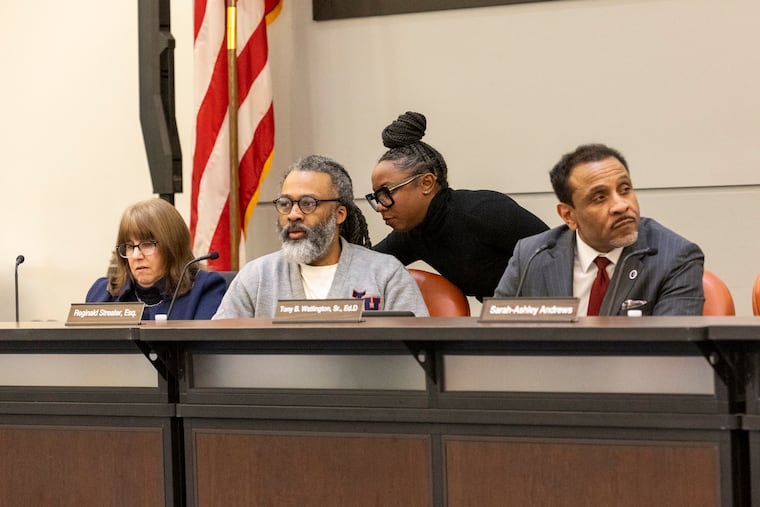
Superintendent Tony B. Watlington Sr.’s facilities master plan — which includes 20 school closures and comes with a $2.8 billion price tag over 10 years — has attracted serious criticism. But while the proposal requires fine-tuning, and officials must work to earn Philadelphians’ trust, Watlington is wisely pushing to modernize and rightsize the district.
The need for a facilities plan is clear.
The average school building in Philadelphia is over 70 years old. More than simply being timeworn and out of date, the district’s buildings frequently contain environmental hazards like asbestos, and staff struggle to maintain older bathrooms and heating systems. In total, the cost of fully updating the district’s facilities is an estimated $10 billion, which is money the district simply doesn’t have.
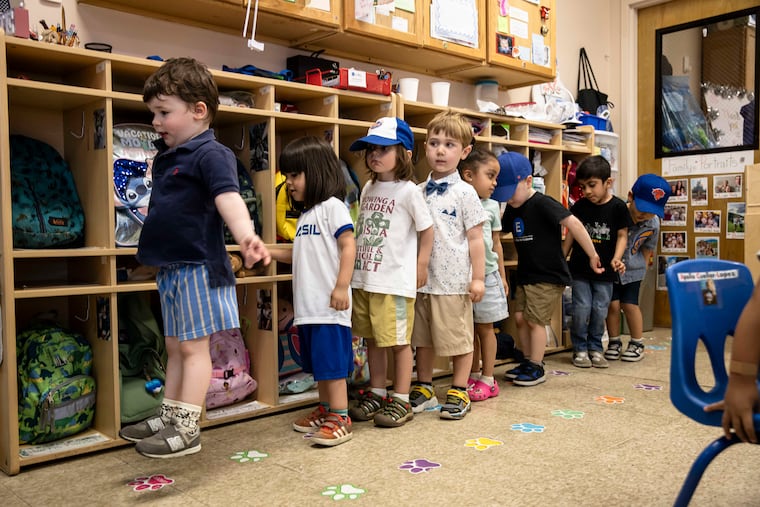
Meanwhile, many children attend classes in buildings meant for several times the number of students currently enrolled. Others have been forced to use trailers due to overcrowding. Some institutions lack key enrichment programs, like art or music.
Unlike the downsizing in 2013, when Superintendent William R. Hite Jr. closed over 20 schools in a desperate bid to stave off a fiscal crisis, Watlington’s plan comes with some clear benefits to students, families, and educators.
» READ MORE: A court was right to stop the sale of its water system, but Chester still needs help | Editorial
The city plans to open new schools (in part by using empty space in existing buildings), expand access to criteria-based middle school programs, create additional career and technical education pathways at neighborhood high schools, and update recreational and performance spaces. These investments lean into the district’s relative strengths. Suburban schools may have more resources, but they don’t have options like the Philadelphia High School for Creative and Performing Arts, George Washington Carver High School of Engineering and Science, or Central High School.
The plan, of course, is not perfect. One proposal the district should reconsider, for example, is the relocation of Lankenau High School. The facilities plan recommends relocating Lankenau to Roxborough High School, which would make it difficult to offer many of its nature-oriented programs. The district may be better off keeping Lankenau and closing Roxborough, which has just over 600 students and test scores that are lower than district-wide averages.
Another reason to reconsider closing Lankenau is the fact that some of the school’s struggles are the result of district decisions. The poorly executed revamp of admissions at the city’s criteria-based, or magnet, high schools led to recruiting struggles at many of the district’s most well-regarded institutions. Beyond Lankenau, CAPA and Girls’ High also experienced a dip in enrollment. For the school to experience another drastic change would be a step backward.
Another criticism of the plan is that it will impact predominantly Black schools and neighborhoods disproportionately. This is partly a reaction to trends that are far outside the district’s control. Since the 2014-15 school year, there are around 20,000 fewer Black students in traditional public schools. Another factor is the rise of charter and cyber schools, which educate nearly 80,000 students in Philadelphia. As this board wrote in 2024, “threading this needle might be the most daunting part of the job” when it comes to reorganizing the district’s schools.
» READ MORE: Officials should be ready to protect Philadelphia from Trump’s immigration overreach | Editorial
The facilities plan has attempted to soften the blow by including a neighborhood vulnerability score. Without it, the plan would likely recommend more closures in predominantly Black neighborhoods.
Some of the outrage over the plan has less to do with the specifics of the proposal and more to do with the district’s deficit of goodwill among residents. After the 2013 closures, many educators noted an uptick in behavioral issues, and the financial savings failed to fully materialize. It is important to note, however, that while this plan is constrained by fiscal realities, it was not created in reaction to them. The goal is not to save money, but to improve buildings and programs for students.
Each building that the district transfers to the city for new usage eliminates millions of dollars’ worth of overdue maintenance and upgrades. Given the nearly $30 million cost to renovate and remediate asbestos at Frankford High School, reducing the district’s capital needs by shrinking its physical footprint is the right call. It creates fiscal space for the district to invest in programs that are succeeding.
No one cheers for the closure of schools, but Watlington’s plan offers students across the city access to better facilities and better programs. After some revisions, it should move forward.