How bad are the Obamacare price hikes? Not as bad as you may think
Premiums on the ACA exchanges will rise by an average of 25% next year. That’s a big jump. How will people afford it? Fortunately, very few of them will have to.
Premiums on the ACA exchanges will rise by an average of 25% next year. That's a big jump. How will people afford it?
Fortunately, very few of them will have to.
The price hikes affect only a small portion of the population, about 5%, that buys individual coverage on an ACA exchange or directly through an insurance company. They are irrelevant to the other 95%, who get coverage through an employer, Medicare, Medicaid, or another government program.
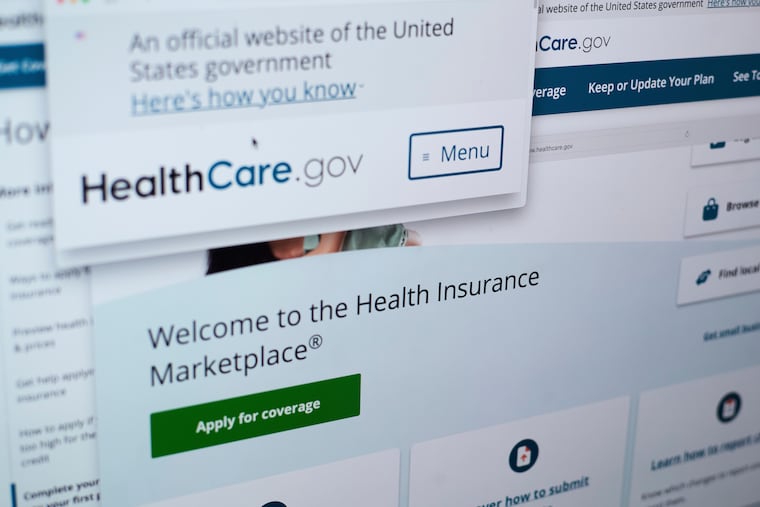
For those who do buy Obamacare coverage, the 25% figure is not the amount by which all prices will rise. It is the average increase for all plans available in the 39 states that use the federal exchange, healthcare.gov. Logic dictates that about half the plans will have larger increases, but about half will have increases that are smaller. Some plans, like several in New Jersey, will actually become cheaper.
Price hikes in Pennsylvania will average 33% and range between 12.1% and 39.9%.
And most consumers will never have to pay the full cost of the price hikes, even if their plan goes up by a sizeable amount. That's because they are among the large majority of Obamacare customers whose incomes are low enough to qualify them for a subsidy. They will pay only a portion of the price increase, or none of it at all.
The burden of the price hikes primarily affects those who make enough to miss out on the subsidies (they earn more than four times the federal poverty level), but not enough to easily absorb the added cost. For them, the financial burden could be substantial.
But they do not have to stick with a plan that becomes prohibitively expensive. In fact, a fundamental premise of the law is that they should not. That's the point of markets. Comparison shopping will almost always reveal more affordable alternatives. Consumers can reject an overpriced option and send a message to the seller about reasonable costs.
Think of it this way. If your favorite restaurant raised the price of all entrees by an average of 25%, you might wonder at first whether you could still afford it. But what if the prices for some entrees rose by 50%, while others rose by much smaller amounts? You might simply choose different dishes. The overall average would lead you to a misleading conclusion about affordability – and possibly to miss out on some great meals.
Of course, switching insurance plans is much more disruptive than changing your menu selections. It can require that you accept different copayments and deductibles and adjust to a new network of providers. But changing what you buy is what markets are all about. When Obamacare opponents call for replacing the law with a more market-oriented approach, they are calling for more of the same.
This is not to deny that the ACA is facing significant challenges. Many counties, including those in southeastern Pennsylvania, now have only one insurer. Without competitors, companies have less incentive to exercise restraint on prices. And recent insurer withdrawals from some markets present the risk that some counties could be left with no plans at all down the road.
But it is much too early to declare the ACA in a state of crisis. Despite the price increases, exchange enrollment is expected to rise by 9% next year. Millions of Americans have insurance they could not have gotten without it. That's a significant accomplishment.
-----
Have a health care question or frustration? Share your story »
Read more of Health Cents »