Muslims taken off plane end bias suit
US Airways, airport settle with preachers whose presence on board alarmed others.
MINNEAPOLIS - Six imams taken off a 2006 US Airways flight after passengers reported what they considered suspicious behavior have settled their discrimination lawsuit, saying they consider it acknowledgment that their removal was a mistake.
Neither the imams nor lawyers in the case would discuss terms of the tentative settlement, which was announced yesterday.
Marwan Sadeddin, of Phoenix, said the settlement did not include an apology but he considered it acknowledgment that a mistake was made.
"It's fine for all parties," he said. "It's been solved. . . . There is no need for a trial."
"We reached our goal," said Omar Shahin, of Phoenix, another of the imams and chairman of the North American Imams Federation.
The tentative agreement was reached during a conference Monday in St. Paul with U.S. Magistrate Judge Arthur Boylan. A one-page court form filed yesterday said the meeting lasted 7 hours and 20 minutes and that the terms were confidential. It gave few other details.
Omar Mohammedi, an attorney for the imams, said the settlement still required approval from U.S. District Judge Ann Montgomery. An attorney for US Airways Group Inc., Michael Lindberg, declined comment.
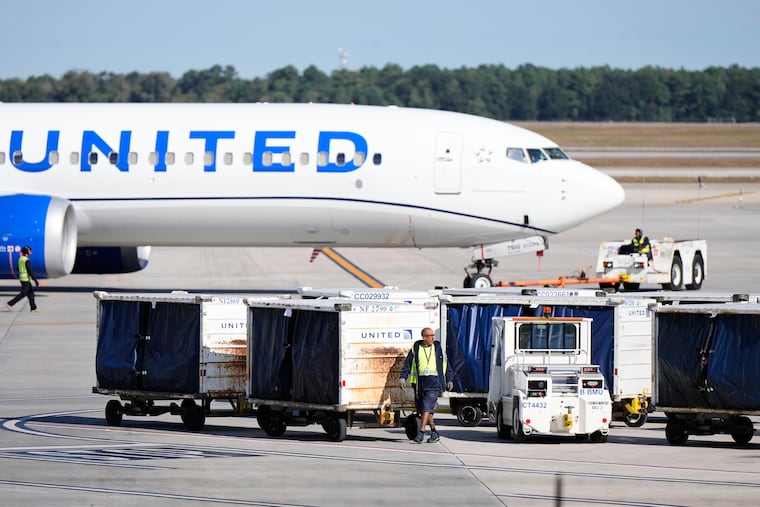
Officials removed the Muslim prayer leaders from the Phoenix-bound flight in November 2006 as they were returning from a conference of the North American Imams Federation in Minneapolis.
Some passengers became alarmed after the clerics said their evening prayers in Arabic in a concourse before boarding the plane, and they told authorities some of the men made critical comments about the Iraq war while aboard.
The imams were handcuffed and questioned for several hours before being freed.
Among those in their suit were US Airways and the Metropolitan Airports Commission, which runs the Minneapolis-St. Paul International Airport.
The Airports Commission said its insurance company had exercised its right to take control of the defense and settle the case. It said the insurance policy limited the company's potential financial exposure in such cases to $50,000.