'Community schools' model coming to Camden
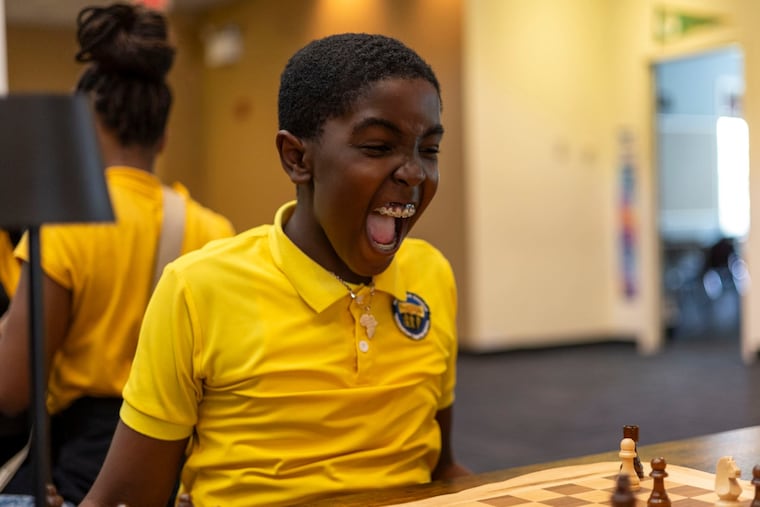
Camden officials are hoping to turn several city schools into "community schools" that would provide students with health and social services beyond those provided during class hours.
Camden officials are hoping to turn several city schools into "community schools" that would provide students with health and social services beyond those provided during class hours.
Plans are in the early stages, but Brendan Lowe, a spokesman for the state-run district, said officials hope to select three to six traditional public schools before the next school year.
Lowe said that the New Jersey Education Association, the state teachers' union, supports the idea, and that members have met with district officials to discuss the plans.
The community school model, which can mean making anything from medical clinics and food banks to day care and after-school tutoring available to students, has been lauded in cities like New York and Cincinnati, where officials have said they have improved student performance and graduation rates.
Last winter, Newark Mayor Ras Baraka announced funding for a community schools program, and in Philadelphia, Mayor Kenney's first major postelection policy announcement was his pledge to establish 25 such schools in the city.
Camden is the nation's poorest city with a population of 65,000 or more, according to 2013 U.S. Census Bureau figures. That year, 52 percent of the city's children lived in poverty. Facing those demographics, teachers have for years organized food drives, volunteered in after-school programs, and taken other steps to support children in need, Lowe said.
Schools already have community coordinators to help families, and partnerships with organizations such as Campbell Soup Co. have provided funding for nutritional and educational programs.
"Many of our district schools are already exhibiting some of the attributes of community schools," Lowe said. "What we hope to do is explore how we can make this more cohesive."
In some cities, funding for community schools has come from private partnerships or nonprofit donations. In Philadelphia, Kenney has proposed a tax on sugary drinks to raise $40 million for the project.
Lowe said that there might be additional costs associated with establishing community schools in Camden, but that the district already has in place some of the resources needed. Camden receives funding for programs like snacks and "family universities," which are hubs set up in community centers where parents can get information about city schools, social service programs, and more.
There are just under 10,000 students attending Camden's traditional public schools, while about 4,000 attend charter schools and an additional 2,000 are enrolled in charter-public "Renaissance" schools.
856-779-3876
@AESteele