Democrats struggle to find party leader to organize Trump ‘resistance’
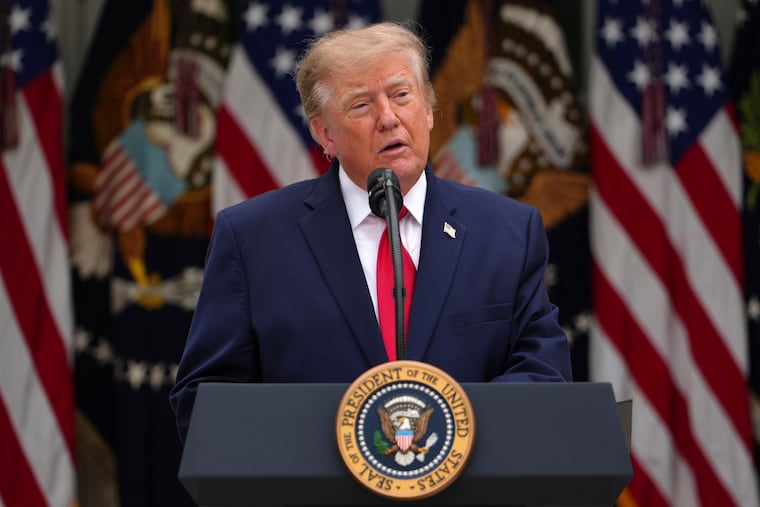
Still hurting from Clinton vs. Sanders divisions, Democrats are struggling to pick a new leader to organize the party’s opposition to President Trump.
BALTIMORE — Armies of resistance are massed in the streets, representing opportunity for the opposition Democrats, but the party is grappling over who should lead it in the new political era of President Trump.
And, as became clear during a daylong forum here Saturday, the race to chair the Democratic National Committee is haunted by the past, namely the insider/outsider divisions of the bitter 2016 primary between Hillary Clinton and Sen. Bernie Sanders, the Vermont independent.
Rep. Keith Ellison of Minnesota, one of Sanders' most prominent campaigners, and former Labor Secretary Thomas Perez, who backed Clinton and was on her short list of potential running mates, have emerged as the leading candidates in a field of 10. Insiders say neither man has clinched a majority of the 447 DNC members who will choose the new leader Feb. 25 in Atlanta.
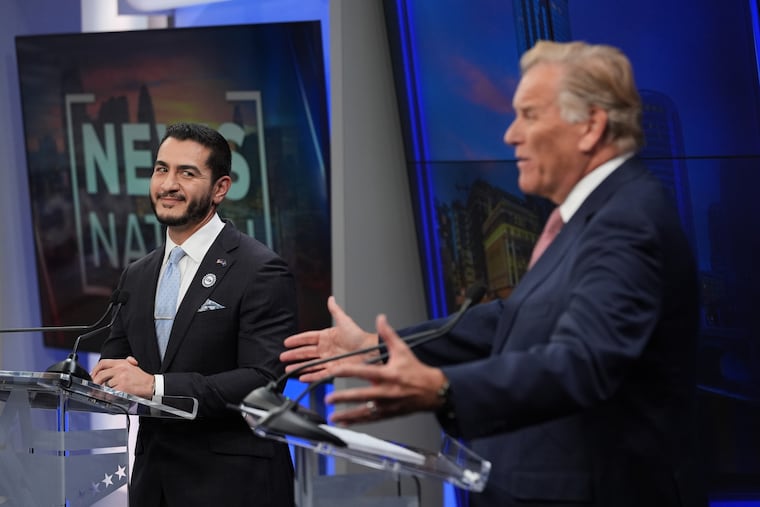
"I don't know why we'd want to live through the 2016 primary a second time," said Mayor Peter Buttigieg, of South Bend, Ind., the only candidate who directly challenged the front-runners.
"Why not go with a new generation of leaders?" said Buttigieg, 35, who had endorsed Clinton but described himself as not tied to any one faction of the party.
The mayor, a Navy veteran of the war in Afghanistan, has been trying to position himself as the alternative in case of a first-ballot deadlock.
The election of a national chair is usually a pageant by and for insiders, but it is getting wider attention than usual this time because, since November's loss of the White House, the Democratic Party has lacked a central figure to focus its message. The new chair could fill that role, at least until the party's 2020 presidential candidates emerge — much as Howard Dean did after 2004.
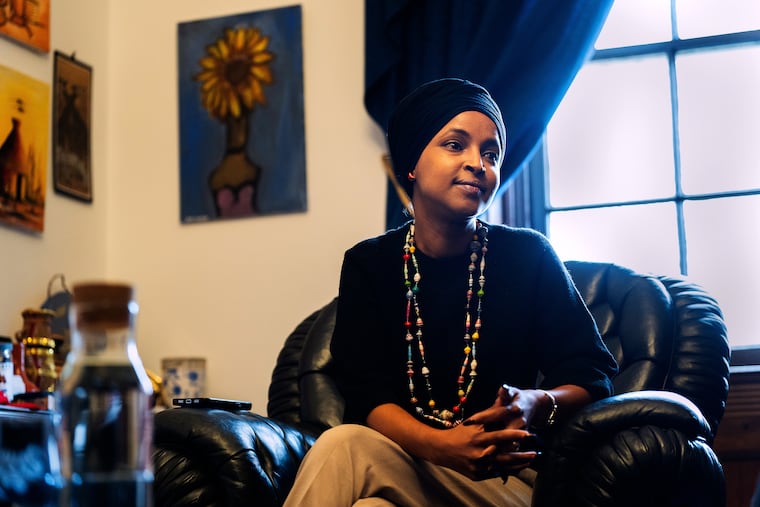
For their parts, Ellison and Perez declined to take shots at each other at Saturday's forum, the last of four before the leadership vote. "We are all friends up here," said Ellison, the first Muslim elected to Congress. "When Tom was secretary of labor, I had no better friend. There was no better advocate."
Perez said he would insist that the DNC be more transparent and fair, a reference to evidence that the party favored Clinton in the primary race, even to the point of scheduling debates at times when they would be guaranteed to get small TV audiences.
"We need to set the primary debate schedule long in advance," Perez said, "so there can be no doubt that someone is trying to put their thumb on the scales of justice."
At one point, some Ellison supporters booed as Perez was answering a question.
"We cannot move forward if we continue to swim in this quicksand of anger," said Yvette Lewis, a former chair of the Maryland Democratic Party and a member of the DNC. "That anger has to be directed at Donald Trump."
Ellison had a larger cheering section at competing rallies with Perez and in the ballroom where the debate was held, but only members of the committee get a vote, and most of them have declined to say publicly whom they're supporting.
Pennsylvania Democratic Chairman Marcel Groen has declared for Perez, but before he got to that point, supporters of Ellison jammed his law office phone lines with 300 calls, Groen said.
Perez "can appeal to the center and the left," Groen, who was not at the forum, said in an interview. "I don't think it's beneficial to the party when we veer to the left, just as it's not a benefit to the Republican Party when they go too far to the right."
To many Sanders activists, Perez is too much the insider, though he has a long history as a progressive labor lawyer and county commissioner in Maryland.
Plenty of fire is being trained on Trump. He was described by various candidates for chair as a "draft-dodging chickenhawk," a "despot," a "narcissist," and as the most "misogynistic" president ever.
Another common target of criticism: the Democratic Party and the failed Clinton campaign. Each candidate, and several outspoken DNC members who took the floor, trashed the national party under former President Barack Obama for relying too heavily on data analytics, and creating competing campaign groups such as Organizing for America, an outgrowth of the first Obama campaign, that diverted money from the state parties.
"We had a great president for eight years, but we lost everywhere else," said Jane Kleeb, chairwoman of the Nebraska Democratic Party.
In the Obama years, the party lost more than 900 state legislative seats and now controls just 31 of the 99 legislative chambers in the country, for instance.
Clinton's campaign took some hits for its decision to switch from an economic message to attacks on Trump's character and fitness for office.
"We didn't make house calls," Perez said. "Data analytics is great, but it doesn't take the place of door-knocking. Donald Trump says he'll bring back coal jobs. We know it's a lie, but he's telling people he feels their pain, and our response is, 'He's crazy.' I'll stipulate that, but it's not a message."