Go the way of the dinosaurs
Scene Through the Lens with photographer Tom Gralish.
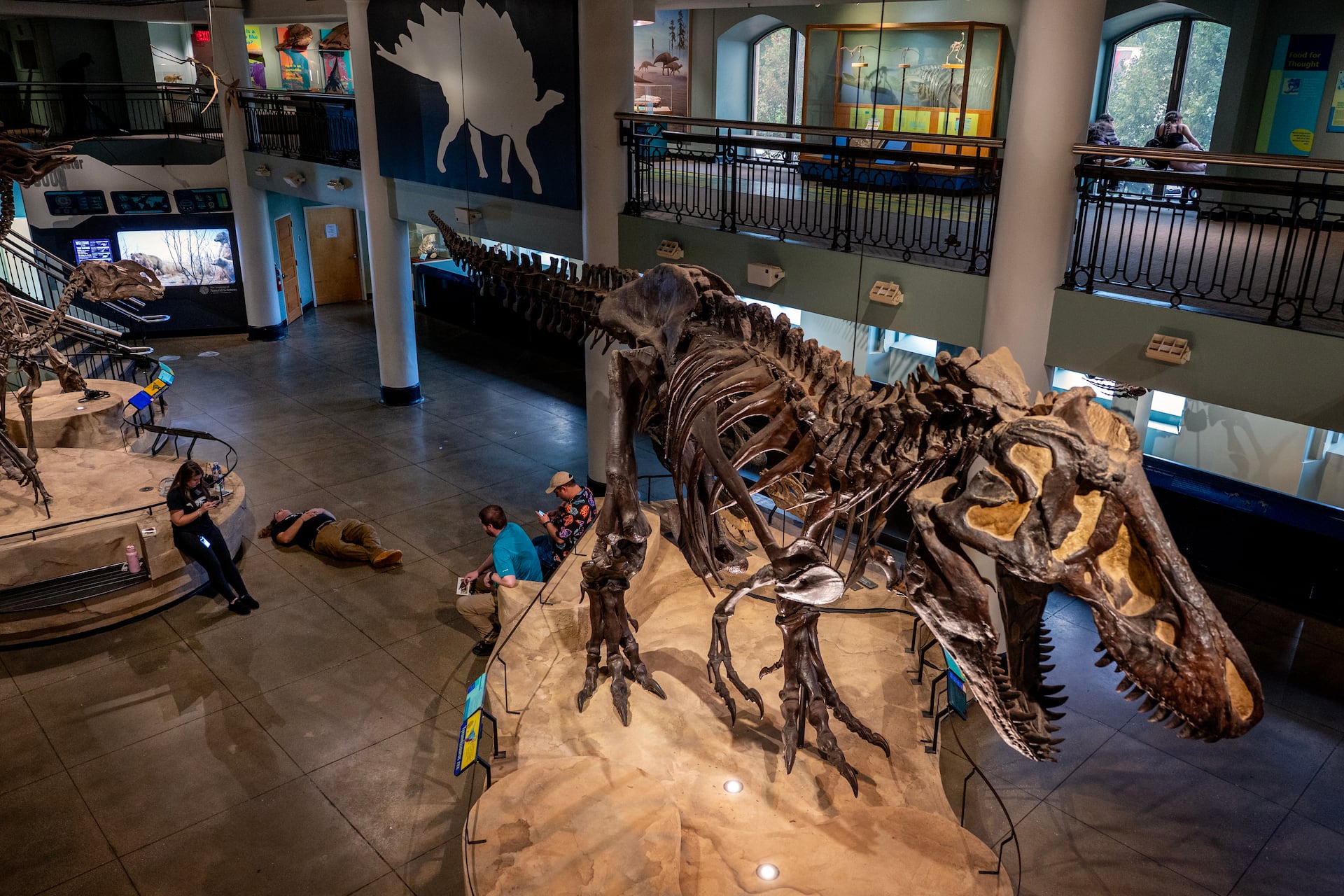
It’s one of the many places I guess I’d just assumed would always be there.
But the Academy of Natural Sciences of Drexel University is not the first museum in Philadelphia to close in the past decade.
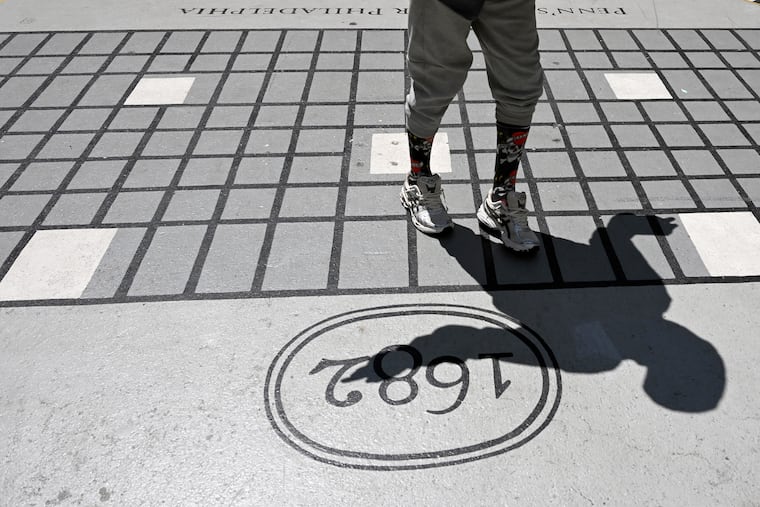
In 2018, it was the Atwater Kent Museum. It housed a collection that told over 300 years of the city’s history: everything from a 1682 Lenni Lenape belt to Joe Frazier’s boxing gloves. Its closing was followed by the Neon Museum (2022), the Insectarium & Butterfly Pavilion (2023), and the Art Alliance (2024).
Sure, I know nothing lasts forever and cities change as time marches on. A favorite restaurant, bookstore, movie theater, the beautiful old home you walked past in your neighborhood. Suddenly one day they disappeared behind a construction fence.
But it was surprising when the Academy closed last weekend after 198 years of being open to the public.
Like everyone else who in the past few weeks has shared their memories on social media, in interviews with reporters or in conversations with others in parents groups or on the playground, I found myself thinking not only about the dinosaur skeletons but also about the feelings and sense of wonder I had experienced there.
I didn’t grow up here, so I don’t have any of the childhood memories many Philadelphians do, but I did visit often for fun as a young adult, with my own children and even as a grandparent. I also photographed many memorable stories there as a visual journalist.
One of my favorites was a project I did for the 200th anniversary of the Lewis and Clark Expedition in 2004. I made four trips out west logging thousands of miles on rental cars, seeing all the places I read about in history class. Those stories all start out west, where the explorers paddled up the Missouri River in 1804 to see the Louisiana Purchase and find an easy water route to the Pacific Ocean.
But it was in Philadelphia where it all started.


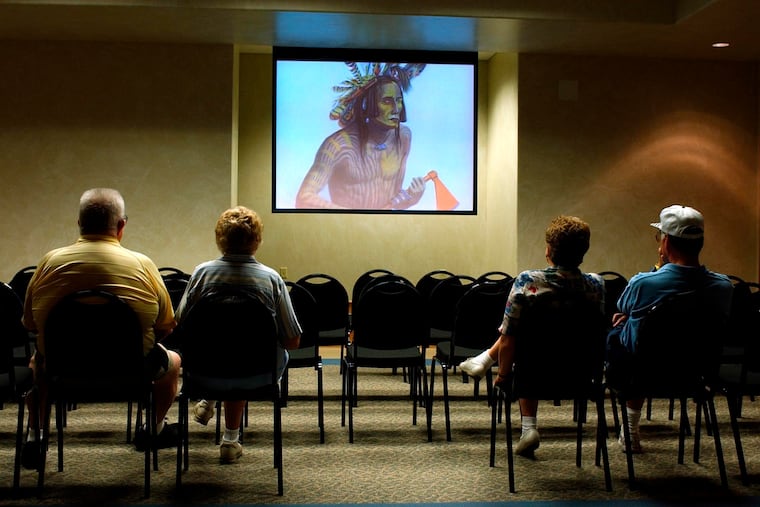


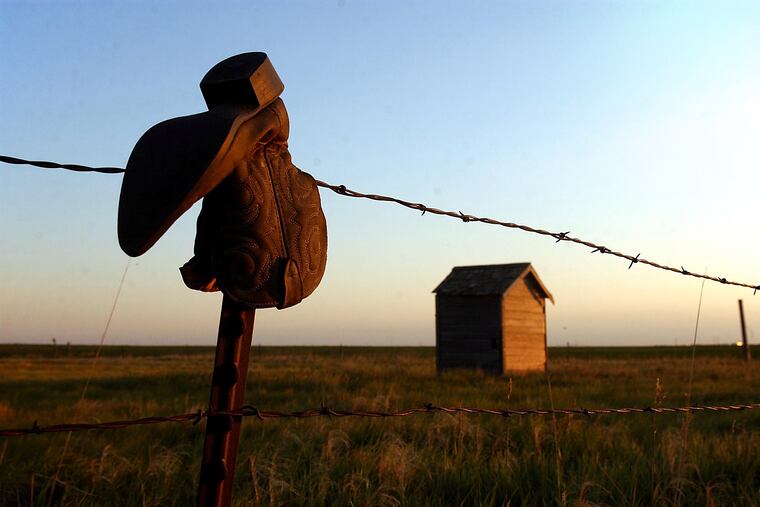


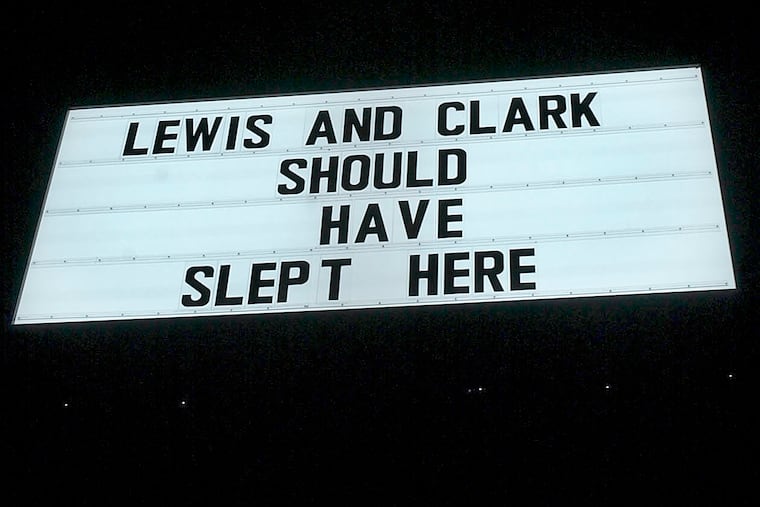


When Thomas Jefferson was elected president in 1801, he picked a U.S. Army captain, Meriwether Lewis to pursue his dream of a scientific exploration of the unmapped West. To prepare for the journey Jefferson sent him to the intellectual, medical, scientific and trading center of the new United States: Philadelphia. Here, he spent a month in the spring of 1803 gaining specialized training and purchasing supplies for the expedition.
Flash forward a few years, and among the 122 animals they “discovered” were 178 plants that were “new” to science (Western science anyway — of course Native Americans already knew about everything the explorers found).
A few horns are all that still exist from the animal specimens Lewis and Clark collected for Jefferson. But almost all of those plant specimens survived to this day, and nearly all of them are now housed at the Academy.
In 1938 a taxidermied Western lowland gorilla from what is now the Central African Republic was sealed behind glass in a diorama — and was not touched by human hands for decades. In 2018 workers opened the case and the Academy allowed me to go behind-the-scenes as it embarked on the monthslong historic renovation of their dioramas.
During the days of COVID-19, I photographed Stephanie Gleit a designer at the Academy who created interesting social distancing signage for their public spaces. “Maintain 6 feet between your herd and others,” said one of the signs.
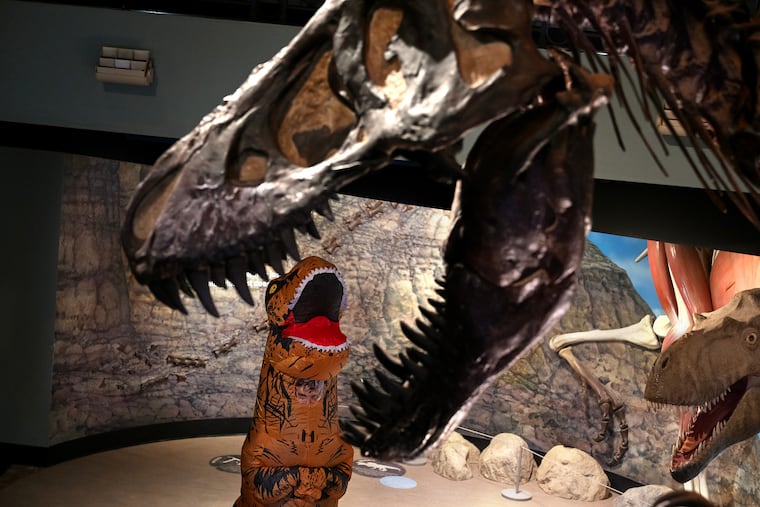
I spent an early morning in 2013 as 40-foot-long animatronic Tyrannosaurus rex was installed on the sidewalk outside the Academy’s front door. It was part of an exhibit that featured more than a dozen realistic, animatronic full-bodied dinosaurs, as well as skeletons, fossil casts of skulls, claws and horns, real specimens of mosasaur and spinosaurus teeth, an Oviraptor egg, and the ever-popular coprolite (dino poop).
I was judicious when deciding the very few newspaper assignments I would take one of my kids on. I tried never to take advantage or exploit my position at the newspaper, and I was always concerned with their safety as well as that of the subjects of our story. I worried about the ethics and appropriateness and what the impact might be with their presence. But there were a few times I had to ask — my editors and the subjects — if it would be okay.
One of those was a time I got to go ”backstage" in one of the world’s largest repositories of natural specimens: bird carcasses, fish, mollusks, minerals, bones ... and bugs. My son’s favorite animals. My day as “Cool Dad.”
Since 1998 a black-and-white photo has appeared every Monday in staff photographer Tom Gralish’s “Scene Through the Lens” photo column in the print editions of The Inquirer’s local news section. Here are the most recent, in color:

» SEE MORE: Archived columns and Twenty years of a photo column.