You think you know a place
Scene Through the Lens with photographer Tom Gralish.
Say you’re delivering packages, pizzas, or people. Or you’re a newspaper photographer out looking for pictures. If you’ve been driving around a city for a few years, the streets might seem ordinary, but then something about an intersection, a store front or a sign gives you that feeling of Déjà vu.
Of all our senses, sound, taste and smell are usually considered the most powerful memory triggers. Like when Sam “Plays it again” in Casablanca or Anton Ego tastes Remy’s ratatouille. Or when any of us open a brand new box of Crayola crayons.
But as a photographer it is the visual reminders that are powerful. Driving in the city I am always taken back to a graduation party I photographed down a particular street, or the sunset I framed. Or how I negotiated a hill in a snowstorm, or covered a shooting on that block.
Sometimes I feel like I have been leaving bread crumbs behind me as I drive everywhere, waiting to be remembered.
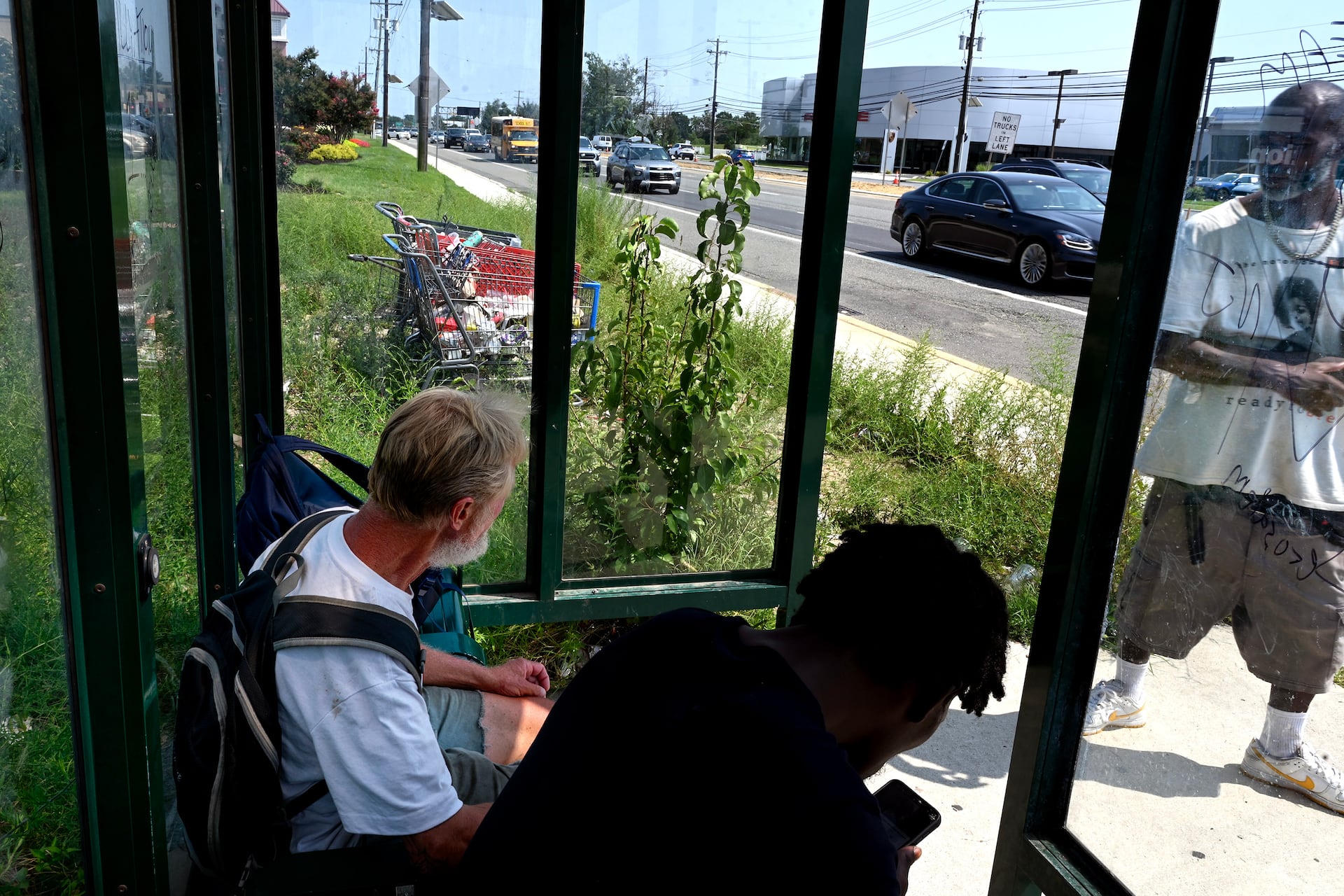
Stalled in backed-up traffic for the ongoing construction on Rt. 70 in Cherry Hill last week, I glanced over at a bus shelter. I recalled years ago seeing riders standing in the slim shadow of a utility pole to get just a tiny bit of some shade from the sun while waiting for their bus.
They waited next to a multimillion dollar retail development on the site of the former Garden State Racetrack. The mostly minimum wage workers who rode the bus to their jobs there didn’t even have a bench to sit on — let alone relief from the elements while waiting to go home. Back then I photographed commuters sitting on overturned shopping carts and tried to interest an editorial writer to take up their cause.
Eventually, a bench was put there, and a few years later a shelter was installed. But as I sat in my car the other day, it still didn’t look right. I turned into the shopping center and walked over.
Wayne Peters tells me he’s been taking NJ Transit’s 406 bus to and from Camden for about two years, and says this stop has “gotta be the worst in the state.” He says he always picks up trash when he’s there, and adds more to the piles already in the shopping carts that serve as receptacles.
Fellow rider Bobby White added, “You’d think something in Cherry Hill would be better. How hard would it be to put a trash can here?” Before their bus arrives, Peters, trying to be positive about the shelter, reminds him “They fixed a broken window once.”
Another thing about revisiting so many corners of our region is it becomes easy to think I’ve seen it all. And then I hear about a place I didn’t know anything about.
A semi-retired friend from Bucks County and her friend try to take weekly drives every Thursday they call “Highways of History.” Last week she texted me some photos saying “guess where we are.”
Now in all my years of being like a UPS, DoorDash, or Lyft driver I had never been to the place in her pictures. I could tell from her other stops that she was nearby, which made it even more mysterious. There was a carousel and other things for kids, like a smaller version of the giant covered wooden slide I’d been to at Smith Memorial Playground & Playhouse in Philadelphia’s Fairmount Park.
Just like the well-known Philly playground that is considered a childhood rite of passage, a New Jersey version has been around for well over a century and when she told me it was only twenty minutes from my house I was completely gobsmacked.
Not only had I never even heard of the place as a journalist, but it never even entered my consciousness during those years when my wife and I were constantly googling “things to do with a toddler” finding ways to keep our kids — and ourselves — entertained and out of the house.
She told the me her father took the ferry there from Penn Treaty Park in Fishtown and “spent many a happy day along with hundreds of other poor kids in the 1930s for free soup and crackers and a carefree day.”
It’s called Soupy Island. It was founded in 1877 on an island in the Delaware River by the Sanitarium Association of Philadelphia, a group of doctors who wanted to help sick city kids with tuberculosis recover with fresh air, playtime, and that free soup. When the Delaware was dredged a few years later and the island was wiped out, the camp moved to the mainland, on the Jersey banks of the river.
My love of history was sparked and I could not believe the connections. My own father, growing up in St. Paul, Minnesota, was sent away every summer to the “Prev.” He shared many great memories with me of learning how to swim and fish at a preventorium on a lake.
As its name implies, it was designed to halt tuberculosis among children by getting them away from their crowded, mostly immigrant inner-city neighborhoods and out to the country.
I spent the weekend digging around and reading everything I could to learn all about Soupy Island, amazed to see The Inquirer had done a number of stories about it, even in the years I’d lived here (kids were still coming over by ferry from Penn Treaty well into the 1980s.)
Seeing that it was closing up for the summer, I planned to reach out the caretaker on Monday to go make pictures. That’s when I learned my colleague, reporter Sarah Nicell, was visiting on their penultimate day of the season. She grew up in South Jersey, and she had never heard of it before either.
I made sure I got the photo assignment.
» READ MORE: South Jersey's quirky, hidden ‘oasis’ for children
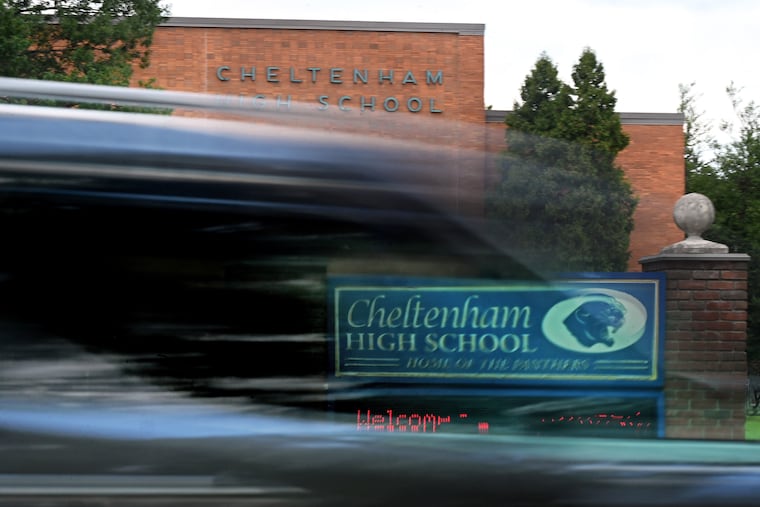
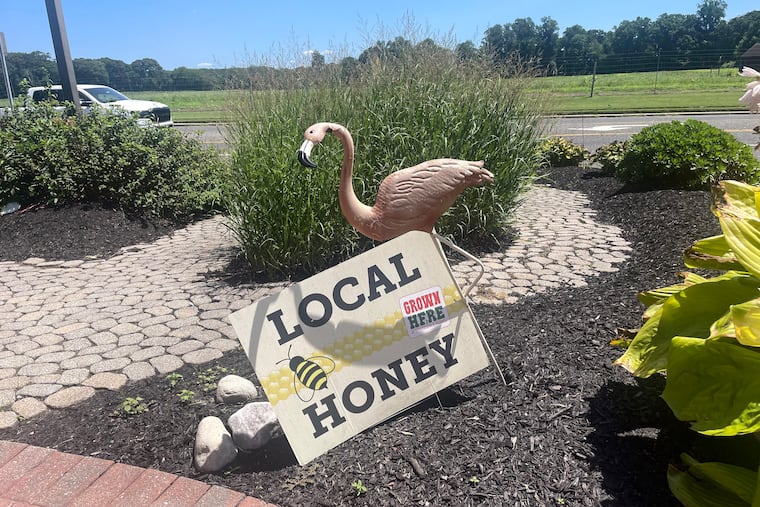
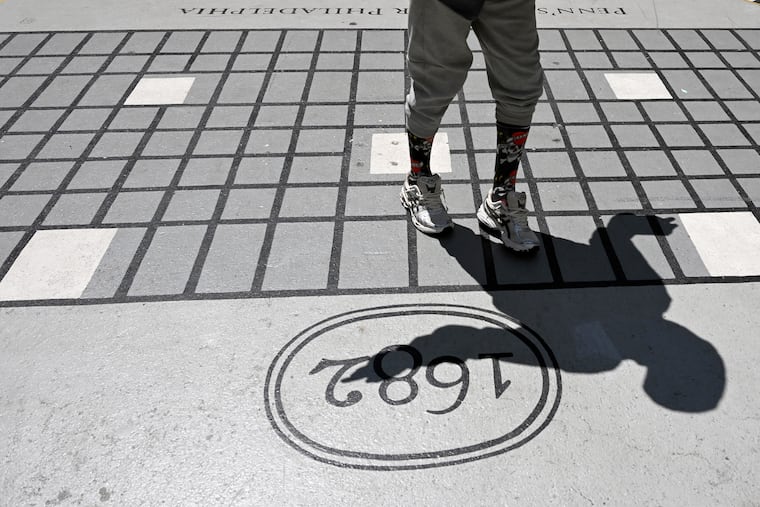
Since 1998 a black-and-white photo has appeared every Monday in staff photographer Tom Gralish’s “Scene Through the Lens” photo column in the print editions of The Inquirer’s local news section. Here are the most recent, in color:




» SEE MORE: Archived columns and Twenty years of a photo column.