Most Philadelphians back sanctuary city status as Trump threatens federal funding, poll shows
Most residents said they support the city’s immigrant-friendly status, despite threats from the Trump administration.
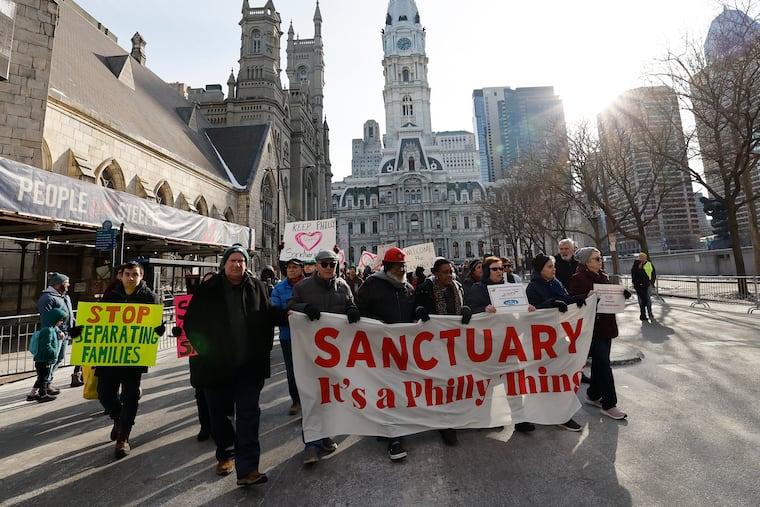
A significant majority of residents want Philadelphia to remain a sanctuary for immigrants, according to a new poll that shows the overwhelmingly Democratic city is undeterred by President Donald Trump’s threats to defund so-called sanctuary cities.
A recent Suffolk University/Philadelphia Inquirer poll that surveyed 500 city residents asked respondents if Philadelphia should remain a sanctuary city, “even if it means losing federal funding.” A commanding 59% answered “yes,” with only 28% saying “no” and the remainder undecided or unwilling to say.
The support for Philadelphia’s sanctuary status was consistent across age and racial groups. The only geographic region where a plurality of respondents answered “no” was far Northeast Philadelphia, which is among the most politically conservative areas of the city.
The survey question did not elaborate on what a loss of federal funding could mean for the city in terms of the impact on residents. Philadelphia received $2.2 billion from the federal government in fiscal year 2024 to pay for a wide range of critical services, including infrastructure needs, as well as healthcare, food, and housing assistance for low-income people.
Still, the results of the poll show relatively widespread support in Philadelphia for the city’s sanctuary policies, which include its practice of not complying with detainers issued by U.S. Immigration and Customs Enforcement without a court order. Those detainers are effectively requests submitted by federal agents to local law enforcement agencies that ask to hold undocumented immigrants in custody.
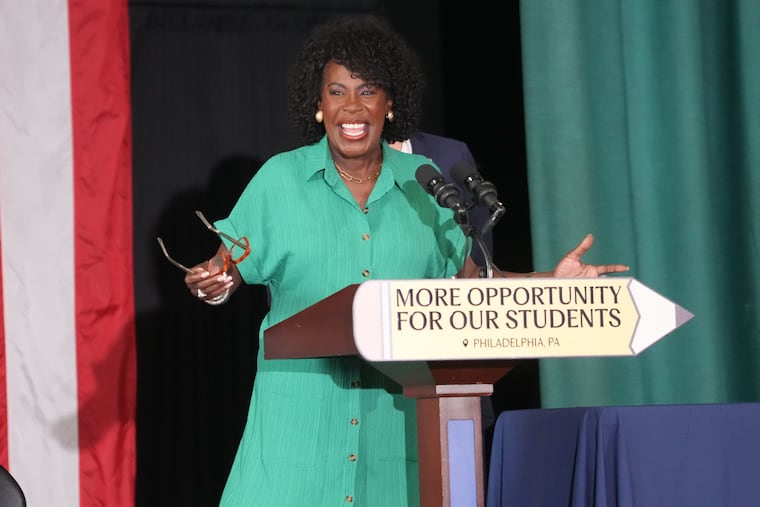
Mayor Cherelle L. Parker’s administration does not refer to Philadelphia as a “sanctuary city” — she and her top aides instead call it a “welcoming city,” language that has been increasingly adopted nationwide as Trump and his allies in the Republican Party have sought to crack down on sanctuary cities.
The sanctuary policies predate Parker’s tenure and were in place under an executive order signed by former Mayor Jim Kenney. They were codified into law earlier this year after City Council passed a package of legislation aimed at limiting ICE’s operations in the city and instituting some of the nation’s toughest restrictions on ICE.
In May, Parker signed six of the seven bills in the package, but took no action on one that bars law enforcement officers from concealing their identities, including by wearing masks. City Solicitor Renee Garcia wrote in a letter to Parker that the legislation may not be legally enforceable, but the mayor did not veto the bill, allowing it to become law.
Last week, the Trump administration sued Philadelphia and some of its top officials, including Parker, over the mask-ban ordinance. The Trump administration contended that the law is “blatantly unconstitutional” and undermines federal law enforcement’s ability to do its job.
» READ MORE: Trump administration sues Philadelphia over ‘ICE Out’ face mask ban for law enforcement
The lawsuit is one of several filed across the nation by the Trump administration challenging local laws related to immigration as federal authorities carry out the massive deportation campaign promised by the president.
The White House has also targeted sanctuary cities through executive orders, including one the president issued last year directing the Department of Justice and the Department of Homeland Security to ensure that sanctuary jurisdictions “do not receive access to federal funds.”
That effort is also tied up in litigation. Last year, a federal judge issued an injunction blocking the Trump administration from denying funding to jurisdictions that limit cooperation with ICE, saying the White House could not impose funding conditions without authorization from Congress.
Staff writer Sean Collins Walsh contributed to this article.