TWU and SEPTA reach a deal on two-year contract, averting strike
Gov. Josh Shapiro helped break an impasse in talks.
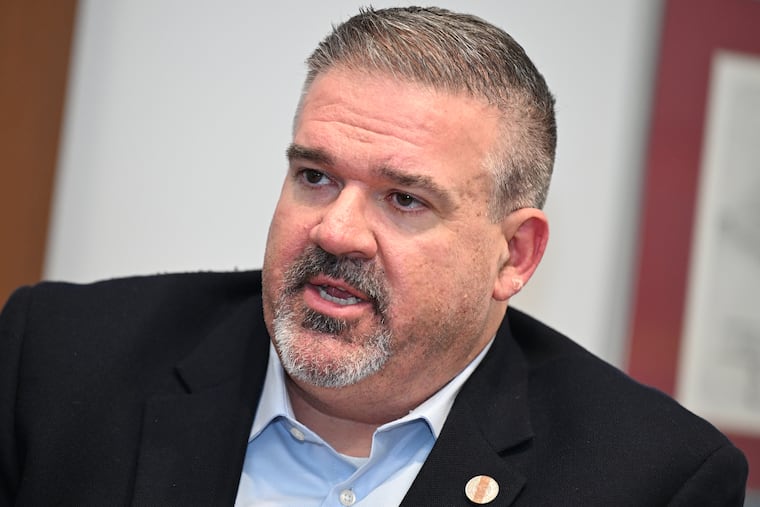
Transport Workers Union Local 234 and SEPTA reached a tentative agreement on a new two-year contract on Monday after Gov. Josh Shapiro helped break an impasse in talks.
Members of the local’s executive board approved the deals, but it is subject to ratification by the membership. SEPTA’S board of directors is scheduled to consider the agreement Dec. 18.
The news marks a dramatic pivot. Negotiations looked grim at the end of last week and a strike was possible.
“Patience was growing thin and management seemed unhurried. Usually, we would have been locked into a hotel until we got this done,” TWU Local 234 president Will Vera said in a Monday statement.
On Friday, Vera declared that he was fed up with what the union saw as SEPTA’s intransigence on key demands and threatened to lead members in a walkout.
“On top of budget issues and service cuts and Regional Rail issues and trolley tunnel issues, nobody wanted to see a work stoppage,” SEPTA general manager Scott Sauer said Monday. “It was important that we get this resolved for everybody.”
Under the proposed contract, union members will receive an across-the-board 3.5% raise in each year of the pact. Pension benefits will increase 6% for workers who retire during the term of the contract.
Management and labor also agreed to form a joint committee to consider longer-term pension improvements.
Workers will see an increase in the night-shift premium to $1 an hour from 15 cents per hour, where it has been for about 30 years.
Several work rules were eased, and SEPTA agreed to make new hires eligible for dental and vision coverage after 90 days rather than the current 15 months.
Both sides credited Shapiro’s intervention for enabling an agreement.
Shapiro got involved Friday, privately urging the sides to get back to the table. They talked on Saturday, checking in with the governor, and made progress, Sauer said.
Late Sunday afternoon there was a breakthrough. Shapiro’s deputy chief of staff for external affairs met with TWU leaders and SEPTA senior managers in the governor’s Philadelphia office. It became clear that a deal was close.
“The Governor and his people got key people from both sides in the same room last night, stopped the run-around, got promises from both sides and we reached a deal,” Vera said.
Said Sauer: “The governor’s intervention kept us all from getting bogged down in emotions and kept us talking.”
The union’s push for an increase in pensions and SEPTA’s proposal for union members to pay more for their healthcare coverage had emerged as perhaps the biggest obstacles.
In the end, out-of-pocket healthcare costs for workers will not increase. SEPTA said it won agreement to use third-party health managers for chronic conditions and medicines as a way to control costs.
TWU’s contract negotiations happened as SEPTA is emerging from what it has called the worst period of financial turmoil in its history.
Like many transit agencies, SEPTA was facing a recurring deficit due to inflation, fewer federal dollars, and flat state subsidies.
Following a prolonged and contentious debate the legislature did not increase mass-transit operating subsidies. Shapiro in September directed PennDot to allow SEPTA to tap $394 million in state money allocated for future capital projects to pay for two years of operating expenses.
And last month, he allocated $220 million to SEPTA, the second time in two years he has flexed state dollars to support the financially beleaguered transit agency. Though the $220 million is expected to go primarily toward capital expenses related to Regional Rail, the move helps SEPTA’s overall balance sheet.
TWU Local 234 represents about 5,000 bus, subway, and trolley operators, mechanics, cashiers, maintenance people, and custodians, primarily in the city. It is SEPTA’s largest bargaining unit and the current contract expired Nov. 7.
A work stoppage would have brought chaos to a public transit system that carries a weekday average of 790,000 riders.
