U.N. riots ebb in Haiti; cholera case in Florida
PORT-AU-PRINCE, Haiti - Anti-U.N. rioting fueled by cholera fears scaled down in northern Haiti yesterday, following official calls for calm, but several hundred demonstrators took to the streets of the capital to denounce the government.
PORT-AU-PRINCE, Haiti - Anti-U.N. rioting fueled by cholera fears scaled down in northern Haiti yesterday, following official calls for calm, but several hundred demonstrators took to the streets of the capital to denounce the government.
Florida health officials, meanwhile, confirmed a case of cholera in a woman who had visited Haiti, though they said the disease is unlikely to spread in the United States.
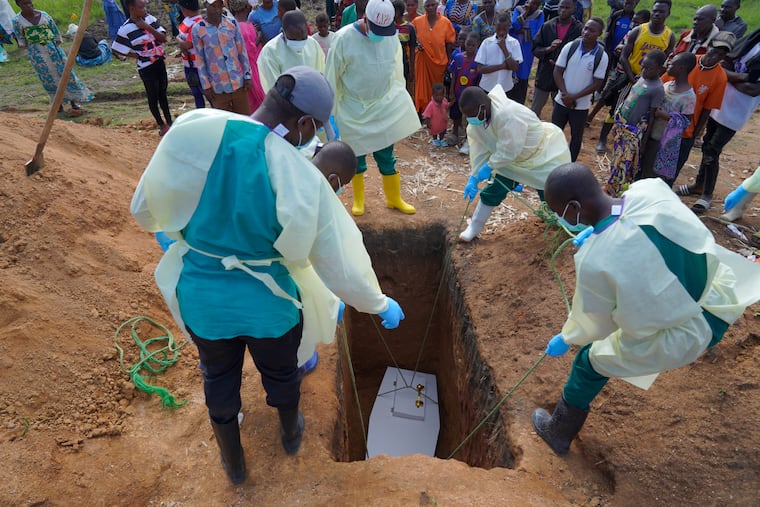
Riots began Monday in northern and central Haiti over suspicions that a month-old cholera epidemic that has killed more than 1,000 people was brought to Haiti by U.N. peacekeepers from Nepal.
The government sent senior officials to Cap-Haitien, Haiti's second-largest city, to quell the rioting in which at least two people died. President Rene Preval appealed for calm Tuesday amid fears that the unrest would spread to the capital ahead of the Nov. 28 presidential elections.
Anti-government demonstrators staged a small, relatively peaceful protest in Port-au-Prince yesterday, marching toward Haiti's collapsed national palace while tearing down and burning campaign posters of Jude Celestin - candidate of Preval's Unity party and head of the state-run construction company. Many of the protesters were recently laid off by the national telephone and construction companies.
Aid workers said that the rioting has interfered with efforts to combat the disease, which has officially hospitalized more than 16,700 people. The U.N. canceled flights carrying 3 metric tons of soap along with medical supplies and personnel because of violence in Haiti's north.
The violence against the U.N. peacekeepers combines widespread resentment against the foreign mission with suspicions about the recently arrived Nepalese soldiers, whose base had sanitation problems and was near the epicenter of the infection.
U.N. officials have declined to try to determine the source of the infection, but deny responsibility and say that the protests are meant to disrupt the elections.
Amid concerns the infection could spread beyond Haiti's borders, the Florida Department of Health said yesterday that a woman who had recently visited family in Haiti tested positive for cholera. She has since recovered.
The department said that other suspected cases of cholera were under investigation in Florida, where there is a large Haitian diaspora community.