Ursinus College lays off 15% of nonfaculty staff
The cost-saving measure comes amid a wave of layoffs across the region’s higher ed sector

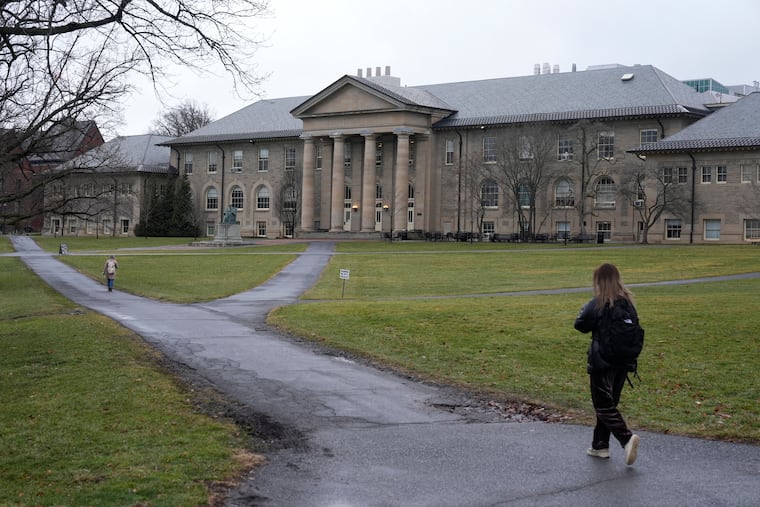
Ursinus College on Monday eliminated 26 full-time and 10 part-time employees, representing 15% of the small school’s nonfaculty staff.
The layoffs are part of the 1,406-student college’s ongoing effort to cut $10 million from its budget and close a deficit. The Collegeville-based school cut 29 full-time faculty positions — nearly a quarter — earlier this academic year.
“This is part of our yearlong plan to reposition ourselves for a solid future,” president Gundolf Graml said in an interview. “We have to be leaner in order to really focus on the student mission. That’s what is at the heart of all of this.”
» READ MORE: Ursinus College announces new president as it cuts faculty and faces budget challenges
Higher ed job cuts often come in late spring and early summer as schools get a clearer picture of their enrollment for the next academic year and set their budgets for the next fiscal year.
The job losses have become increasingly common in higher education as colleges cope with a dwindling pool of available high school graduates, declining trust in higher education, federal policy changes affecting research funding and the pool of international students, and increased competition. Nearly 1,000 college employees were losing their jobs as a result of buyouts or layoffs announced in April, according to Inside Higher Education.
More cuts are coming locally, too.
Temple University president John Fry said in April that staff layoffs would occur this year as the school copes with the budget ramifications of lower enrollment. The university laid off 50 employees last July, and there are indications that this year’s cuts could be steeper.
» READ MORE: Temple lays off 50 employees to cope with budget crunch
The University of Pennsylvania has directed all of its schools and centers to cut 4% from their budgets for next fiscal year as the university prepares for potential federal cuts and increased legal and insurance costs. That could result in some job eliminations, though nothing broad or institutionally led, the school has said.
At Drexel University, which also has faced enrollment challenges, including a 19% drop in freshmen last fall, there were “some recent personnel changes within individual units,” but they were not part of a university-wide workforce reduction, spokesperson Niki Gianakaris said.
Those changes, she said, were “based on operational and organizational needs specific to those areas. These decisions were made as part of ongoing and evolving priorities at the unit level.”
The university did not say how many employees were affected.
Over about the last decade, the West Philadelphia university has lost about 20% of its enrollment. And it is projected to continue to run deficits through fiscal year 2028, according to a recent report from Moody’s, which downgraded the school’s rating this spring.
» READ MORE: Ursinus College suddenly removes president, citing ‘best interests of the college’s long-term success’
At Ursinus, the staff cuts made Monday are expected to save the school about $3.5 million, Graml said. That is on top of the $3 million saved from the faculty cuts. And the college said last month it no longer would provide $300,000 in annual funding to its Berman Museum, effectively slashing funding to the museum in half.
The college also has changed or eliminated some large contracts for areas including advertising and cleaning, saving $1 million, Graml said. The college is also tightening procedures for staff credit card purchasing, eliminating some consultants, changing software, ending the annual alumni awards ceremony, and combining family and homecoming weekends.
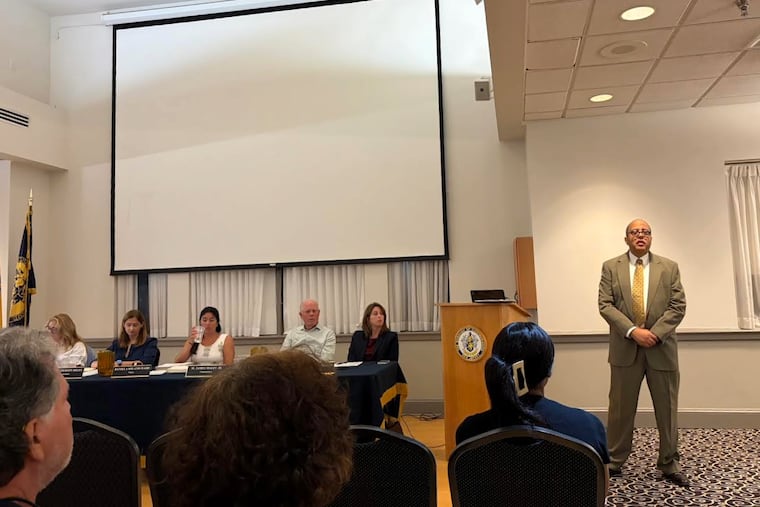
“The board and the administration have a responsibility here to ensure that Ursinus is a leading provider of a tremendous liberal arts education,” said Joseph DeSimone, chair of Ursinus’ board of trustees.
» READ MORE: Ursinus College slashes funding to its Berman Museum in half
That requires being “resilient” and “proactive” to make sure the institution is strong financially, said DeSimone, a 1986 Ursinus alumnus and a professor of translational medicine and chemical engineering at Stanford University.
“This gets us where we need to be proactively, instead of stuff happening to us when we have our head in the sand,” he said.
Graml said that the college still has about $2 million in operating expenses left to reduce to meet the $10 million goal, but that no other layoffs are planned.
“This is an overall adjustment of our campus footprint,” Graml said.
He underscored the “difficult” nature of the decision.
“These decisions affect colleagues, friends, and members of a close-knit community who have contributed meaningfully to Ursinus College and to the lives of our students,” he said in a message to the campus community.
“These decisions were not made lightly, nor are they a reflection of the value of the individuals impacted. They reflect the responsibility we have to align the college’s operations with current enrollment trends and position Ursinus for long-term strength in a rapidly changing higher education environment.”
Employees who lost their jobs will receive a small severance that correlates to their years of service, Graml said.
Ursinus has been running total operating losses for most of the last nine years, reaching $13.4 million in 2024 but falling to $4 million in 2025, financial records show.
Ursinus had experienced a 10% decline in first-year enrollment last fall and a 6.4% decline in overall enrollment.
Things are improving, Graml said. Projections for next fall’s enrollment are within the college’s budget projections, he said.
The college will discuss potential integration of work over the summer as the school adjusts to the loss of staff.
“We’re looking for efficiencies,” he said.