Where to get the most phenomenal cocktails in Philadelphia
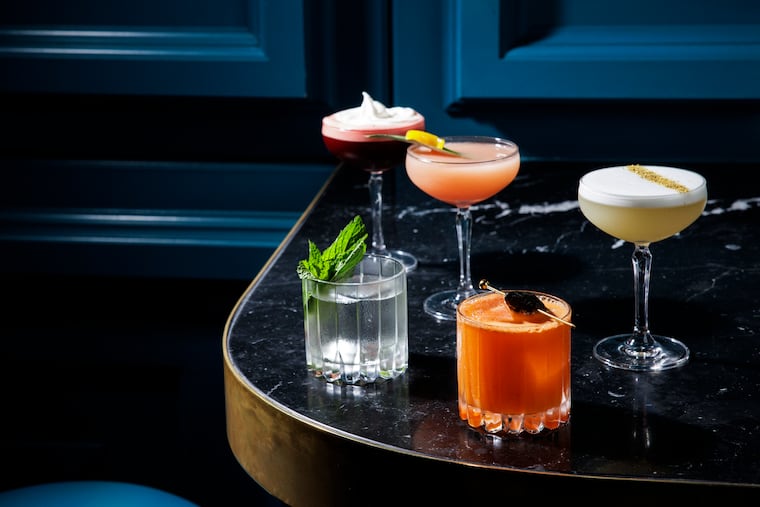
Whether you’re looking for a wildly innovative, super seasonal creation or a fastidious rendition of an obscure classic, there’s never been a better time to be a cocktail drinker in Philly
It wasn't so long ago that Philly was regarded as a through-and-through beer town, more interested in its lagers (aka Yuengling) and its craft IPAs than martinis or negronis. In 2025, that couldn't be further from the case. Unless you run a dive bar, you better have an interesting cocktail menu, with at least a couple seasonal options, the de rigueur espresso martini, and good ice to boot. There were so many contenders for this list, we pared back a few that skew more restaurant than bar, and we are saving the best suburban cocktail bars for a separate list entirely (looking at you, Farm & Fisherman). — Jenn Ladd
a.bar
While a.kitchen next door is known for its deep wine list, a.bar, a 40-seater located just across the lobby of the AKA Rittenhouse, is all about mixed drinks whose minimalist presentations belie their nuanced complexity. Crafted with its diverse audience in mind, the list balances familiar concepts with fascinating twists. Bartenders direct Old Fashioned drinkers, for example, to the signature Improved Whiskey Cocktail, a riff on a mid-19th century drink touched with absinthe and maraschino liqueur. A classic, the Fish House Punch, is updated with smokey lapsang souchang tea, peppercorn amaro, and savory dashes of kombu tincture. The staff flexes freely into trends with cocktails that swerve with savory flavors, like the corn- and cilantro-flavored False Sense of Security. The Neck Brace, a daiquiri riff, is worth ordering simply to learn the story behind its name — an inside joke shouting-out a tune that frequently loops through the space played by head bartender Jacob Fusco’s favorite band. Ratatat. Made with blended rums, notes of banana, pandan leaf and tiki bitters, it is, like a.bar itself, simultaneously charming, unexpected, and undeniably delicious. — Craig LaBan
Almanac
The 21-seat hideaway sits at the top of a steep stairway accessed from inside the omakase room of Ogawa in Old City. It could easily have stopped at being just a moody lounge with 30-plus Japanese whiskies. But with locavore cocktail savant and James Beard-winning Slow Drinks author Danny Childs involved in its conception, and head bartender Rob Scott now taking the baton as a part owner, Almanac has become its own destination as one of Philly’s most original cocktail bars, where seasonally inspired drinks are filtered through the lens of Japanese cocktail culture. Drinks shift evolve not just quarterly, but with the micro-seasons: During one visit, an herbal, ethereal twist on Philly Fish House Punch was built around cucumbers, yuzu juice, and curry leaves, but by July, it was blushing with sweet cherry, hibiscus, and sencha. The staff forages and preserves much of what informs the drinks, like the tart Japanese knotweed steeping in jars beside the bar, or the aromatic black walnuts turned into nocino for Almanac’s take on a Black Manhattan. You might start with something refreshing like the fizzy Mugihai, a high ball blending Mars Malted Iwai whiskey with mugicha made from toasted local barley berries. — Craig LaBan
Andra Hem
There’s something delightfully incongruous about Philly’s most Instagrammable cocktail bar not having an Instagram account, and that makes Andra Hem all the more charming. Consisting of two levels with a minute bar on each floor, the Scandinavian-esque establishment could easily be mistaken for an art gallery (note the fuzzy pipecleaner beehive on the second level) with a slightly wacky cocktail list: The Red Hatorade ($20) is like a Nordic negroni made with aquavit, while the Crunch Daddy ($18) blends bourbon, rye, amaretto, and bitters with Cap’n Crunch. (A single square of the cereal serves as the garnish.) One very late night, I had a craving for Pepperidge Farm’s Mint Milanos and voiced this to general manager Alison Hangen, who was tending bar. “You mean you want a ‘Stay Grassy, Philadelphia ($18),’” Andra Hem’s take on a grasshopper cocktail. Hangen was correct. That milk punch, made with creme de menthe, creme de cacao, and lime, was what I was craving. — Kiki Aranita
Bar Palmina
If the idea of a non-alcoholic cocktail bar being on this list is upsetting to you, hold up a minute: Owner Nikki Graziano’s wide-ranging, meticulously curated inventory of zero-proof liquors shakes and stirs up into drinks every bit as spirited and delicious as the “real” thing. (Take it from me, a near-daily imbiber.) Even better, there are 20 cocktails to choose from, from convincing recreations of classics like the Penicillin and the Jungle Bird to Graziano originals like the Maiz-calle (tobalá mezcal, corn, tajin, whey, lime, cilantro) and the True Hand (bourbon, amaro, espresso, orange, cardamom). With the sleek, stylish polish one expects of a Kensington bar, Palmina is a must-hit spot whether you’re off the sauce, meeting a sober/pregnant friend, or open to zebra-striping, as the kids say. — Jenn Ladd
Bolo
The first-floor bar at Bolo is one of Center City’s semi-hidden treasures, a transportative under-the-stairs spot to soak up Boricua vibes over top-notch piña coladas and cafecitos. The restaurant’s expansive rum selection informs many drinks, but another crucial element of the seasonal cocktail menu is bar prep. Bolo’s crew makes its own coconut cream for those frothy piña coladas. They use house-made sugar cane syrup for the best-selling mojitos and almíbar (a plantain-infused Demerara syrup spiced with cinnamon and star anise) for the Rum Fashioned. They infuse Mount Gay Rum with coconut fat to make the Besito de Coco (rum, dry vermouth, amaretto, Angostura). And when they need to, they bring in the best ingredient, like the Coco Rico soda that rounds out the pitch-perfect scotch-and-fresh coconut water highball. When you want tropical vibes in Philly, this is the place. In good weather, you can post up at the front bar straddling Bolo’s interior and Sansom Street and enjoy that Hemingway daiquiri al fresco. — Jenn Ladd
Caletta
Philly doesn’t have too many poolside lounges, let alone ones with amazing cocktails, so that gives quite the edge to this bar inside Kensington’s boutique Hotel Anna & Bel. In his celebration of Italian apertivo culture, beverage director Benji Kirk threads amaros and fortified wines into Caletta’s seasonal cocktail list, which Kirk tweaks every month or so. The results are drinks like Succo per Borda, a Swampwater-inspired combo of house-blended genepy, rum, basil, apricot, pistachio, olive oil, pineapple, and lime that Kirk says comes out tasting like pistachio gelato. For something more savory, try the Harbinger, with rum, chili vodka, Italian herbal liqueur, olive lead, snap pea, asparagus, and kiwi. The whole beverage program is backed by intense bar prep — think house-made bitters, cordials, and ferments. Pro-tip: Go on Sundays, when Caletta runs a special “Tropicale” menu that takes its usual low-simmering tiki vibes up to a boil. — Jenn Ladd
Hop Sing Laundromat
After 13 years, mononymous owner and host Lê doesn’t seem to have lightened up on much: Every night Hop Sing is open (currently Friday and Saturday, expanding soon to Thursdays), he stands outside and greets each party in line, scanning IDs and declaring who’s allowed in and who’s forgotten they’re banned for life, whether someone at their table undertipped, took a photo, or simply acted like a jerk. Odds are, you’ll see someone turned away: As of Aug. 4, the ban list stood at 6,215. (Last year’s brief amnesty resulted in few repatriations, Lê says.) But that same level of unyieldingness is applied to the drinks. In the way some high-end bars are increasingly emphatic about seasonal and culinary ingredients, Lê is refreshingly fanatical about his spirits (the signature Hop Sing Manhattan, made with Booker’s bourbon, which retails for at least $90 a bottle, being the most prominent example) and making every drink to order, down to juicing a la minute. With a list of nearly 70 drinks — and you should stick to the list, or you risk being banned — there is probably something for every drinker, and if not, “maybe this is not for you,” Lê says. I would submit that everyone should go once, if only to experience Lê’s unique, impish brand of hospitality. Worst case, you’ll never be able to return. Just don't forget to bring cash. — Matt Buchanan
Jaffa Bar
The defining feature of this raw bar — the latest addition to Philly’s CookNSolo lineup, set in a former firehouse that’s been gorgeously converted — is its sprawling first-floor bar, and the lengthy cocktail list, from bar manager Sean Byrne, is perhaps the best part of the menu. Besides a six-choice set of excellent martinis (dry, 50/50, Martinez, Gibson, Vesper, Alaska), there are two frozen cocktails, four spritzes, six NA drinks (including house-made rootbeer), and several stirred and shaken options, too. There are a handful of classics (Jack Rose, Junglebird, Clover Club, etc.) plus a few cocktails with the stamp you’d expect from the folks behind Zahav and Laser Wolf: think the za’atar grenadine-spiked Today’s the Night and the Soul Glo, made with pisco, Underberg aperitif, and house-made black lime tonic. You likely won’t be able to resist the best-selling Frozen Jaffa Orange, a vodka creamsicle-esque concoction made with condensed milk and a Curaçao-Aperol blend, but don’t miss the technicolored Green-Eyed Lady, which combines blanco tequila with the spicy-savory-citrusy aguachile brine from Jaffa’s ceviche. — Jenn Ladd
La Jefa
The building that houses La Jefa and Tequilas contains three separate but interrelated bars with distinct menus. La Jefa’s two programs, created with consulting partner Danny Childs (whose handiwork shows up elsewhere on this list) are the most boundary-pushing — and alluring. The more casual La Jefa, which plays coffee shop during the day, focuses on easy drinkers built around house ferments on draft, like a tepache highball and a tinto de verano (red wine and Sprite) with house-made limon aguacate soda. Behind a pair of arches draped with dusky blue velvet curtains is La Jefa Milpa, a moodier cocktail bar whose more intense drinks range from the earthy, sustainability-minded Agave cocktail ($27) to a milk punch made with peanut butter-infused rye to one of Philly’s most urbane citywides, a shot of aged Oaxacan rum paired with a tejuichela, a michelada riff that combines beer with tejuino, a fermented beverage made from masa. Through a hallway is the reborn Tequilas and its more raucous bar with its rows of Siembra Spirits — mezcals and tequilas nurtured into existence by owner-in-name David Suro Sr. and son Dan Suro-Cipolloni, as well as other hard-to-find agave spirits from smaller Mexican distilleries. The classic margaritas, sometimes borne atop servers’ heads as they travel to tables, are well balanced, you might say. Seasonal drinks feature ingredients like corn, rhubarb, and epazote, while Tequilas’ remarkable take on the michelada, which uses lacto-fermented tomato water, is a detail that feels borrowed from next door. If it feels hard to keep track of all the concepts — a bar within a bar within a restaurant — don’t worry too much, since wherever you wind up, it’ll be hard to go wrong. — Kiki Aranita
Little Walter’s
The bracingly quenching pickle juice martini gets most of the attention at Little Walter’s because it embodies the spirit of this East Kensington establishment restaurant and bar, where Polish cuisine has been given a modern makeover with a decisive Philly twist. (The martini’s Polish name, Piłkarz, or “footballer,” is a nod to former Eagle Duce Staley’s 201-yard “Pickle Juice Game” against the Cowboys.) There’s much more to consider because chef-owner Michael Brenfleck takes full advantage of Poland’s rich drinking culture, with Bison Grass vodka and imported Zubr beer (you can drink both at once with the Urbanista Citywide), and a strong fermentation program that, like Brenfleck’s menu, benefits from scratchmade local ingredients to take drinks to the next level. I love the oniony zing of his pickled ramp riff on the Gibson, called Zbieracz, whose gin was also washed with smalec, the smoky whipped lard served with restaurant’s fresh rye bread. Seasonal fruits and vegetables also play a strong roles in the drinks, including the Pirat, a beet milk punch; a sparkling wine tinted with a nalewka tincture made from strawberries; and the frothy Pasterz, made with plum brandy and tart cherry juice. Even the Sazerac gets a Polish makeover here, with local rye, dried mint, and vodka washed with caraway. — Craig LaBan
Little Water
Little Water may be widely known as Randy Rucker’s ode to coastal cuisine, but it’s also secretly one of Philly’s better cocktail bars. Sourcing with the same seasonal ethos as Little Water’s food offerings, expect the building blocks of cocktails to be made in-house, like a rhubarb shrub that forms the basis of their current spritz. Something that ties all Little Water cocktails together, whether light or spirit-forward, is an enthusiasm for herbaceous flavors: A wonderful, refreshing Paloma Milk Punch has its glass painted with lavender salt and is garnished with lavender blossoms, the white negroni features fennel, and the Tom Collins is kissed with Genepi. In general, expect constant change, though there’s always a martini on the menu; currently that’s the Martinez, a martini predecessor mixed up with Centerbe and lovage. — Kiki Aranita
Lloyd Whiskey Bar
This laid-back Girard Avenue bar has been a whiskey-lover’s destination for 13 years — it stocks 150-plus brands of the brown stuff — but it deals in excellent cocktails of all spirits. At any given time there’s 25 or so on the menu, including four on draft. Come for the Old Grand-dad Old Fashioned ($7 during happy hour) and stay for the Yellowbird, with overproof Jamaican rum, pineapple Chinola, Faccia Bruto, and lime. “It's one of those [cocktails] people don't get right away, but when they get one, they usually get more than one,” says co-owner Scott Coudriet of the Yellowbird. It’s one of the bar’s best-sellers, along with the frothy Beet Happening, a gin sour (Coudriet recommends subbing mezcal) spiked with housemade beet-pomegranate grenadine. — Jenn Ladd
Meetinghouse
There’s no shaking or stirring at Meetinghouse: The cocktails are batched and kegged, so bartenders pull them from taps behind the bar, and like everything else here, they’re all straightforward, with little fuss. The drinks are often the purest form of classic, with throwback cocktails like Old Fashioneds, gin martinis, Long Island Iced Teas, and the Dr. Henderson (two parts Fernet Branca and one part creme de menthe, served over ice), served in diminutive glasses for throwback prices ($11). Batching makes getting the drinks as fast as getting a beer. The menu, cocktails and otherwise, is perfect for when you’re overwhelmed by choice. Don’t think too hard, don’t dwell, don’t mull, just go to Meetinghouse and get the Platonic ideal of the one thing you’re craving. — Kiki Aranita
My Loup
Helmed by the effervescent Jillian Moore, My Loup’s bar program has a flair for riffs on classics that are reliably well-balanced glasses of fun. On a recent menu, there are Canadian winks strewn throughout, such as an Old Fashioned that mimics the flavor of Nanaimo bars — Canada’s iconic coconut, graham cracker, custard, and chocolate dessert — and echoes of the kitchen, like the shrimp “cocktail” martini that features shrimp brine. Pro tip: You don’t need to sit for dinner to enjoy a snack and a cocktail, or a cocktail that comes with a snack as in the case of the foie gras Manhattan and its accompanying sidecar of duck fat-seasoned Chex Mix. — Kiki Aranita
Next of Kin
Next of Kin is a bartender’s bar, where you’ll find both experimental cocktails and iconic ones that require inordinate amounts of patience, like the gravity-defying Ramos Gin Fizz, which requires a meringue that towers over the lip of the glass to be shaken into existence. (No really, bartenders typically hate making it.) Longtime bartenders John Grubb and Kyle Darrow have gone to extraordinary lengths to make as many components of their cocktails as possible in house, from creating their own cordials to substituting Framboise liqueur for freshly made raspberry cordial. Stop by before or after dinner for a cocktail — there’s no food besides a well-stocked vending machine selling Mexican and Japanese candy and some tinned fish — and don’t worry about a reservation, since don’t take them. That there’s usually a line, but it moves briskly. — Kiki Aranita
Oyster House
Oyster House is best known as one of the city’s greatest raw bars, but perhaps it should be nearly as well known as a cocktail bar. Earlier this year, the Center City institution hired one of Philadelphia’s most acclaimed cocktail mavens, Resa Mueller, as beverage director to push its classic-leaning cocktail program even further. The results are delicious and multidimensional, with bright, crisp cocktails that highlight distinctive components like Thai basil, green chili vodka, and jalapeno-infused tequila.The house martini ($17), for instance, is a lightly botanical marvel featuring a house-made vermouth, while the Morning Bell ($18) blends mezcal with tamarind, pineapple, pasilla, and citrus. — Kiki Aranita
Palizzi Social Club
If you are (or know) a member of South Philly’s most celebrated social club, you are likely deeply familiar with its time-tested cocktails, which seldom change up — and have no need to. The DiCicco may be the smoothest, most drinkable martini in Philadelphia, a seamless combo of Ketel One and Abruzzese EVOO plus vermouth. The Bozzelli (gin, Cocchi Americano aperitif, Galliano, lime, chili) is the go-to for spicy cocktail lovers, while the Molino is a tall, frothy, overproof rye-powered amaretto sour. And the brown butter-washed D’Amo? Well, it’s quite possibly the only espresso martini Craig LaBan praises. Bonus: This year, Palizzi opened an upstairs lounge/martini bar with eight new drinks, including a clarified martini, lemon drop and Nutella variants, plus a white negroni and a scotch-Campari-orange sherbet number that’s just dreamy. — Jenn Ladd
Philadelphia Distilling
Don’t be fooled by the stunning setting of Pennsylvania’s oldest craft distillery (in fact, the first to open post-Prohibition), the booze is the real star here. Practically every spirit here is made in-house, including the Campari substitute in the negroni and the absinthe in the Arsenic & Old Lace. (Ask a bartender for more info and you might luck into trying a spirit that’s in the R&D phase.) The lengthy cocktail menu changes four times a year — only the negroni and the OG&T always stay the same — but bar manager Jesse Dureka mixes it up even more with the short-lived “Ingredient Menu,” which showcases produce from small farms. Recent entries include a lemony frozen peach-and-gin slushy and a vibrantly hued red shiso-gin cocktail with yuzu lime soda and salted plum. While those last a week or three, the seasonal menu is more durable and just as intriguing; take, for example, recent best-seller La Niña Fresa, a milk punch inspired by strawberry shortcake ice cream bar. Not singing your song? The bartenders have a rolodex of classic gin drinks, so if you’re really a glutton for options, ask for something off-menu. — Jenn Ladd
Poison Heart
Like the entirety of the menu at this moody, punk-fueled Spring Garden bar, the cocktail selection is small but mighty. The six options hit all the right notes, including the Go-Gos in Shinjuku, a coconut- and vanilla-tinged tiki number; the glowing orange Jump in the Fire (mezcal, reposado tequila, lime, mango, chipotle demerara, and a chamoy-tajin rim); and the whiskey smash-mint julep hybrid called Goodbye Horses. The hands-down best-sellers here, however, are the two superb, velvety freezer cocktails: a sazerac and a martini (your choice of twist, olive, or onion). For something easygoing and slightly fizzy, try the straight-shooting Daniella, a highball made with Dr. Pepper and a variable in-house amaro blend. Owner Andrea Ulsh says the cocktails switch up about twice a year (save for those freezer cocktails and the Daniella), and a couple are on their way out soon, so stop in to get them before they’re gone. — Jenn Ladd
R&D
“We just try to put good drinks in cups,” says R & D owner Aaron Dreary, perhaps a bit too modestly. These days, you can toss an olive pit and hit a bar promoting a seasonal drink menu, but R & D radically overhauls its menu multiple times a year, switching up not just the drinks but the entire theme and format. (There’s an archive of past menus.) The current menu is presented to drinkers as a rolled up treasure map; unfurled, it traces connections between several classic(ish) tropical drinks — Kingston Negroni, Singapore sling, etc. — and a matching set of originals that veer in occasionally unpredictable directions, such as a mezcal green pepper mai tai riff, a Negroni twist with caramelized plantain, or my favorite, the Lost in the Loch, an Angostura-forward daiquiri of sorts whose starting point is the Hotel Nacional. In a moment of countless restaurants with try-hard cocktail programs and any number of bars turning out serviceable spritzes, what makes R & D stand out is a finely honed sensibility that balances wild creativity with utter approachability; these are drinks you can return to again and again. Also, the smash burger is pretty excellent. — Matt Buchanan
Southwark
This classy Queen Village corner bar has generated buzz with its Monday night Winewark events lately, but cocktails have been a steady draw over its 21-year run. Head bartender Randall Greenleaf’s well-curated lineup of drinks incorporates just the right seasonal produce (typically the same stuff the kitchen is using). Think grilled peach syrup balancing bourbon, allspice, and lemon in the Movin’ to the Country, or cucumber-infused tequila that’s the base for Tequila is Mah Lady, which gets lit up by lime oleo saccharum. There’s always a milk punch (currently with grappa, green tea, lavender, and mint; it’s Greenleaf’s favorite, at the moment), plus a couple options for folks who prefer something spirit-forward and stirred — like the herbal Golden Bullet (coriander gin, Finocchietto, dry vermouth, Salers aperitif). And since at least a few cocktails change up every three months or so, regulars never get bored. — Jenn Ladd
Superette
You might be lured into Superette for the now-Instagram-famous dish of comte-stuffed ravioles languishing in a pool of brown butter ($20), but the tight menu of a half-dozen cocktails — generically characterized as smash, sour, punch, and so on — holds its own in this retro space that feels a bit more Paris or Copenhagen than Philly. The golden-hued house martini is a stunningly good deal at $13, but don’t miss the elegant highball ($15), a rosy, millennial-pink concoction of tequila, fizzy grapefruit soda and “salty cassis air.” — Kiki Aranita
The Lovers Bar
Legendary for its romantic history, the Lovers Bar, a.k.a. the first floor of Friday Saturday Sunday, also specializes in brilliant cocktails. There are several worthy staples on the drinks menu, including the spirit-forward Assassin’s Handbook, the cilantro-tinged Judgment of Paris that goes heavy on the Calvados and crushed ice, and the crowd-pleasing Orange Catholic (vodka, lemon, orange, hibiscus, Prosecco). But you’d be remiss not to take a spin on “the Carousel” — the painstakingly perfected physical manifestation of bar manager Paul MacDonald’s Fibonacci sequence-inspired cocktail program. What started out as a theory of building a drink with five contrasting fortified wines (measured in ratios that adhere to the 13th-century sequence) has spooled into a wood-encased, Game of Life-style wheel featuring 21 spirits, from green Chartreuse to Punt e Mes. If you don’t want to spin your way through 21 potential outcomes, try one of MacDonald’s favorites: Genever, Barolo Chinato, rhubarb liqueur, oloroso sherry, and Becherovka. — Jenn Ladd
a.bar
While a.kitchen next door is known for its deep wine list, a.bar, a 40-seater located just across the lobby of the AKA Rittenhouse, is all about mixed drinks whose minimalist presentations belie their nuanced complexity. Crafted with its diverse audience in mind, the list balances familiar concepts with fascinating twists. Bartenders direct Old Fashioned drinkers, for example, to the signature Improved Whiskey Cocktail, a riff on a mid-19th century drink touched with absinthe and maraschino liqueur. A classic, the Fish House Punch, is updated with smokey lapsang souchang tea, peppercorn amaro, and savory dashes of kombu tincture. The staff flexes freely into trends with cocktails that swerve with savory flavors, like the corn- and cilantro-flavored False Sense of Security. The Neck Brace, a daiquiri riff, is worth ordering simply to learn the story behind its name — an inside joke shouting-out a tune that frequently loops through the space played by head bartender Jacob Fusco’s favorite band. Ratatat. Made with blended rums, notes of banana, pandan leaf and tiki bitters, it is, like a.bar itself, simultaneously charming, unexpected, and undeniably delicious. — Craig LaBan
Almanac
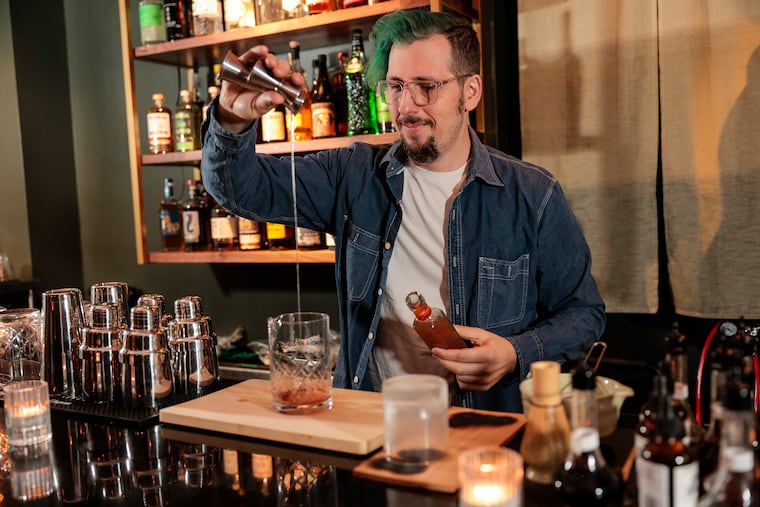
The 21-seat hideaway sits at the top of a steep stairway accessed from inside the omakase room of Ogawa in Old City. It could easily have stopped at being just a moody lounge with 30-plus Japanese whiskies. But with locavore cocktail savant and James Beard-winning Slow Drinks author Danny Childs involved in its conception, and head bartender Rob Scott now taking the baton as a part owner, Almanac has become its own destination as one of Philly’s most original cocktail bars, where seasonally inspired drinks are filtered through the lens of Japanese cocktail culture. Drinks shift evolve not just quarterly, but with the micro-seasons: During one visit, an herbal, ethereal twist on Philly Fish House Punch was built around cucumbers, yuzu juice, and curry leaves, but by July, it was blushing with sweet cherry, hibiscus, and sencha. The staff forages and preserves much of what informs the drinks, like the tart Japanese knotweed steeping in jars beside the bar, or the aromatic black walnuts turned into nocino for Almanac’s take on a Black Manhattan. You might start with something refreshing like the fizzy Mugihai, a high ball blending Mars Malted Iwai whiskey with mugicha made from toasted local barley berries. — Craig LaBan

Andra Hem
There’s something delightfully incongruous about Philly’s most Instagrammable cocktail bar not having an Instagram account, and that makes Andra Hem all the more charming. Consisting of two levels with a minute bar on each floor, the Scandinavian-esque establishment could easily be mistaken for an art gallery (note the fuzzy pipecleaner beehive on the second level) with a slightly wacky cocktail list: The Red Hatorade ($20) is like a Nordic negroni made with aquavit, while the Crunch Daddy ($18) blends bourbon, rye, amaretto, and bitters with Cap’n Crunch. (A single square of the cereal serves as the garnish.) One very late night, I had a craving for Pepperidge Farm’s Mint Milanos and voiced this to general manager Alison Hangen, who was tending bar. “You mean you want a ‘Stay Grassy, Philadelphia ($18),’” Andra Hem’s take on a grasshopper cocktail. Hangen was correct. That milk punch, made with creme de menthe, creme de cacao, and lime, was what I was craving. — Kiki Aranita
Bar Palmina
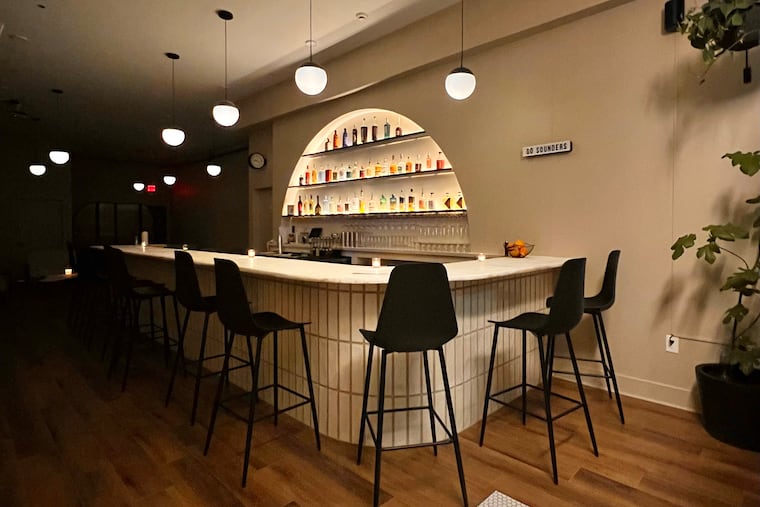
If the idea of a non-alcoholic cocktail bar being on this list is upsetting to you, hold up a minute: Owner Nikki Graziano’s wide-ranging, meticulously curated inventory of zero-proof liquors shakes and stirs up into drinks every bit as spirited and delicious as the “real” thing. (Take it from me, a near-daily imbiber.) Even better, there are 20 cocktails to choose from, from convincing recreations of classics like the Penicillin and the Jungle Bird to Graziano originals like the Maiz-calle (tobalá mezcal, corn, tajin, whey, lime, cilantro) and the True Hand (bourbon, amaro, espresso, orange, cardamom). With the sleek, stylish polish one expects of a Kensington bar, Palmina is a must-hit spot whether you’re off the sauce, meeting a sober/pregnant friend, or open to zebra-striping, as the kids say. — Jenn Ladd

Bolo
The first-floor bar at Bolo is one of Center City’s semi-hidden treasures, a transportative under-the-stairs spot to soak up Boricua vibes over top-notch piña coladas and cafecitos. The restaurant’s expansive rum selection informs many drinks, but another crucial element of the seasonal cocktail menu is bar prep. Bolo’s crew makes its own coconut cream for those frothy piña coladas. They use house-made sugar cane syrup for the best-selling mojitos and almíbar (a plantain-infused Demerara syrup spiced with cinnamon and star anise) for the Rum Fashioned. They infuse Mount Gay Rum with coconut fat to make the Besito de Coco (rum, dry vermouth, amaretto, Angostura). And when they need to, they bring in the best ingredient, like the Coco Rico soda that rounds out the pitch-perfect scotch-and-fresh coconut water highball. When you want tropical vibes in Philly, this is the place. In good weather, you can post up at the front bar straddling Bolo’s interior and Sansom Street and enjoy that Hemingway daiquiri al fresco. — Jenn Ladd


Caletta
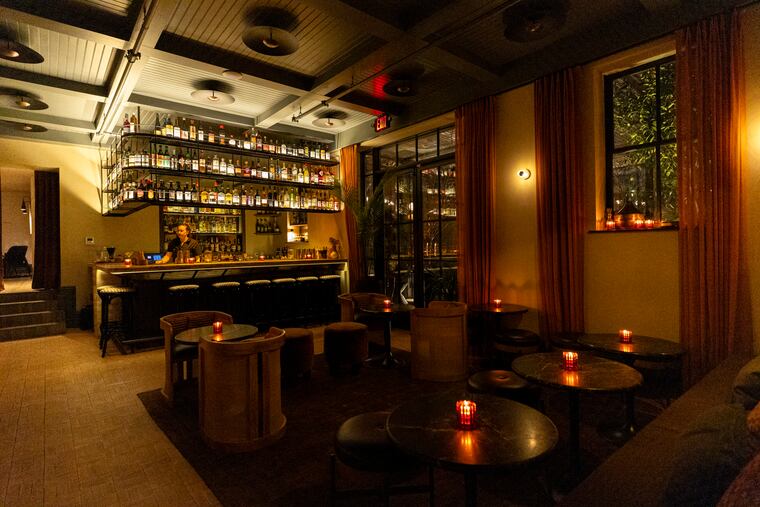
Philly doesn’t have too many poolside lounges, let alone ones with amazing cocktails, so that gives quite the edge to this bar inside Kensington’s boutique Hotel Anna & Bel. In his celebration of Italian apertivo culture, beverage director Benji Kirk threads amaros and fortified wines into Caletta’s seasonal cocktail list, which Kirk tweaks every month or so. The results are drinks like Succo per Borda, a Swampwater-inspired combo of house-blended genepy, rum, basil, apricot, pistachio, olive oil, pineapple, and lime that Kirk says comes out tasting like pistachio gelato. For something more savory, try the Harbinger, with rum, chili vodka, Italian herbal liqueur, olive lead, snap pea, asparagus, and kiwi. The whole beverage program is backed by intense bar prep — think house-made bitters, cordials, and ferments. Pro-tip: Go on Sundays, when Caletta runs a special “Tropicale” menu that takes its usual low-simmering tiki vibes up to a boil. — Jenn Ladd
Also appears in

Hop Sing Laundromat
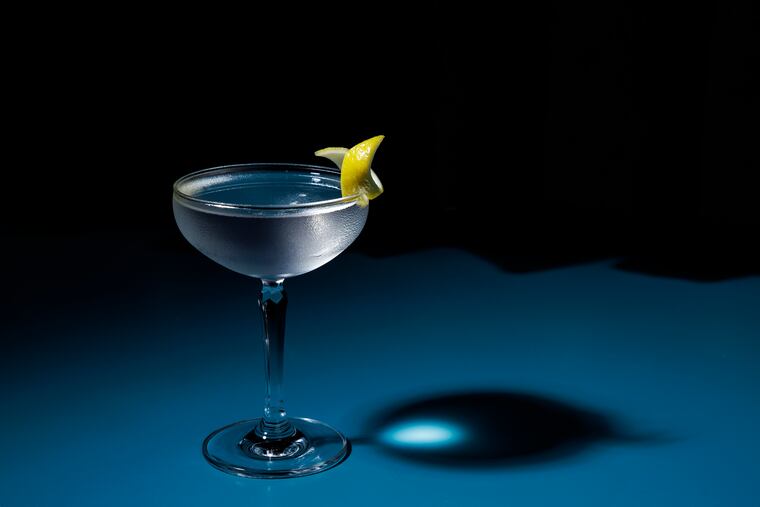
After 13 years, mononymous owner and host Lê doesn’t seem to have lightened up on much: Every night Hop Sing is open (currently Friday and Saturday, expanding soon to Thursdays), he stands outside and greets each party in line, scanning IDs and declaring who’s allowed in and who’s forgotten they’re banned for life, whether someone at their table undertipped, took a photo, or simply acted like a jerk. Odds are, you’ll see someone turned away: As of Aug. 4, the ban list stood at 6,215. (Last year’s brief amnesty resulted in few repatriations, Lê says.) But that same level of unyieldingness is applied to the drinks. In the way some high-end bars are increasingly emphatic about seasonal and culinary ingredients, Lê is refreshingly fanatical about his spirits (the signature Hop Sing Manhattan, made with Booker’s bourbon, which retails for at least $90 a bottle, being the most prominent example) and making every drink to order, down to juicing a la minute. With a list of nearly 70 drinks — and you should stick to the list, or you risk being banned — there is probably something for every drinker, and if not, “maybe this is not for you,” Lê says. I would submit that everyone should go once, if only to experience Lê’s unique, impish brand of hospitality. Worst case, you’ll never be able to return. Just don't forget to bring cash. — Matt Buchanan

Jaffa Bar
The defining feature of this raw bar — the latest addition to Philly’s CookNSolo lineup, set in a former firehouse that’s been gorgeously converted — is its sprawling first-floor bar, and the lengthy cocktail list, from bar manager Sean Byrne, is perhaps the best part of the menu. Besides a six-choice set of excellent martinis (dry, 50/50, Martinez, Gibson, Vesper, Alaska), there are two frozen cocktails, four spritzes, six NA drinks (including house-made rootbeer), and several stirred and shaken options, too. There are a handful of classics (Jack Rose, Junglebird, Clover Club, etc.) plus a few cocktails with the stamp you’d expect from the folks behind Zahav and Laser Wolf: think the za’atar grenadine-spiked Today’s the Night and the Soul Glo, made with pisco, Underberg aperitif, and house-made black lime tonic. You likely won’t be able to resist the best-selling Frozen Jaffa Orange, a vodka creamsicle-esque concoction made with condensed milk and a Curaçao-Aperol blend, but don’t miss the technicolored Green-Eyed Lady, which combines blanco tequila with the spicy-savory-citrusy aguachile brine from Jaffa’s ceviche. — Jenn Ladd

La Jefa
The building that houses La Jefa and Tequilas contains three separate but interrelated bars with distinct menus. La Jefa’s two programs, created with consulting partner Danny Childs (whose handiwork shows up elsewhere on this list) are the most boundary-pushing — and alluring. The more casual La Jefa, which plays coffee shop during the day, focuses on easy drinkers built around house ferments on draft, like a tepache highball and a tinto de verano (red wine and Sprite) with house-made limon aguacate soda. Behind a pair of arches draped with dusky blue velvet curtains is La Jefa Milpa, a moodier cocktail bar whose more intense drinks range from the earthy, sustainability-minded Agave cocktail ($27) to a milk punch made with peanut butter-infused rye to one of Philly’s most urbane citywides, a shot of aged Oaxacan rum paired with a tejuichela, a michelada riff that combines beer with tejuino, a fermented beverage made from masa. Through a hallway is the reborn Tequilas and its more raucous bar with its rows of Siembra Spirits — mezcals and tequilas nurtured into existence by owner-in-name David Suro Sr. and son Dan Suro-Cipolloni, as well as other hard-to-find agave spirits from smaller Mexican distilleries. The classic margaritas, sometimes borne atop servers’ heads as they travel to tables, are well balanced, you might say. Seasonal drinks feature ingredients like corn, rhubarb, and epazote, while Tequilas’ remarkable take on the michelada, which uses lacto-fermented tomato water, is a detail that feels borrowed from next door. If it feels hard to keep track of all the concepts — a bar within a bar within a restaurant — don’t worry too much, since wherever you wind up, it’ll be hard to go wrong. — Kiki Aranita
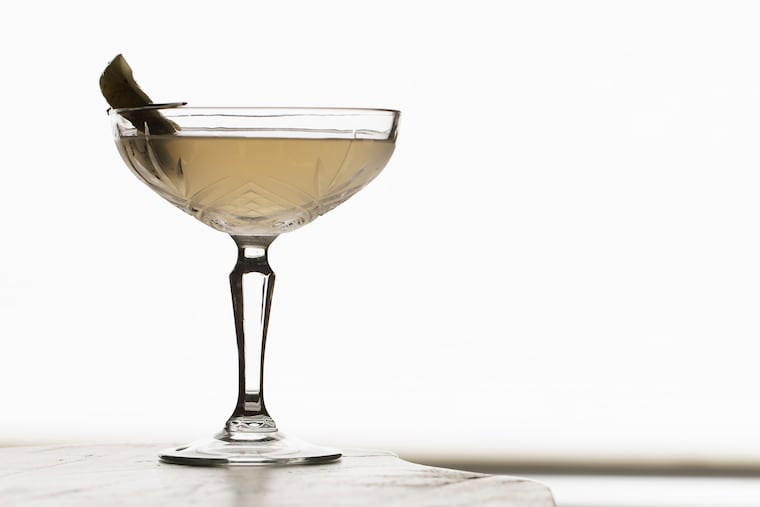
Little Walter’s
The bracingly quenching pickle juice martini gets most of the attention at Little Walter’s because it embodies the spirit of this East Kensington establishment restaurant and bar, where Polish cuisine has been given a modern makeover with a decisive Philly twist. (The martini’s Polish name, Piłkarz, or “footballer,” is a nod to former Eagle Duce Staley’s 201-yard “Pickle Juice Game” against the Cowboys.) There’s much more to consider because chef-owner Michael Brenfleck takes full advantage of Poland’s rich drinking culture, with Bison Grass vodka and imported Zubr beer (you can drink both at once with the Urbanista Citywide), and a strong fermentation program that, like Brenfleck’s menu, benefits from scratchmade local ingredients to take drinks to the next level. I love the oniony zing of his pickled ramp riff on the Gibson, called Zbieracz, whose gin was also washed with smalec, the smoky whipped lard served with restaurant’s fresh rye bread. Seasonal fruits and vegetables also play a strong roles in the drinks, including the Pirat, a beet milk punch; a sparkling wine tinted with a nalewka tincture made from strawberries; and the frothy Pasterz, made with plum brandy and tart cherry juice. Even the Sazerac gets a Polish makeover here, with local rye, dried mint, and vodka washed with caraway. — Craig LaBan

Little Water
Little Water may be widely known as Randy Rucker’s ode to coastal cuisine, but it’s also secretly one of Philly’s better cocktail bars. Sourcing with the same seasonal ethos as Little Water’s food offerings, expect the building blocks of cocktails to be made in-house, like a rhubarb shrub that forms the basis of their current spritz. Something that ties all Little Water cocktails together, whether light or spirit-forward, is an enthusiasm for herbaceous flavors: A wonderful, refreshing Paloma Milk Punch has its glass painted with lavender salt and is garnished with lavender blossoms, the white negroni features fennel, and the Tom Collins is kissed with Genepi. In general, expect constant change, though there’s always a martini on the menu; currently that’s the Martinez, a martini predecessor mixed up with Centerbe and lovage. — Kiki Aranita

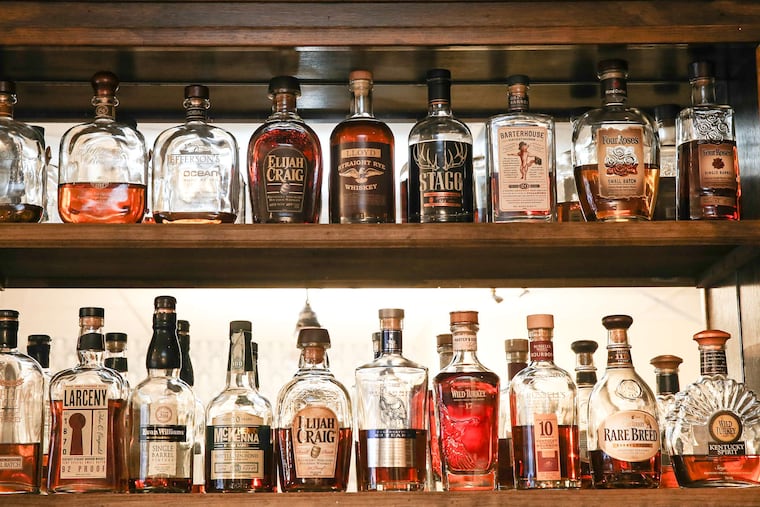
Lloyd Whiskey Bar
This laid-back Girard Avenue bar has been a whiskey-lover’s destination for 13 years — it stocks 150-plus brands of the brown stuff — but it deals in excellent cocktails of all spirits. At any given time there’s 25 or so on the menu, including four on draft. Come for the Old Grand-dad Old Fashioned ($7 during happy hour) and stay for the Yellowbird, with overproof Jamaican rum, pineapple Chinola, Faccia Bruto, and lime. “It's one of those [cocktails] people don't get right away, but when they get one, they usually get more than one,” says co-owner Scott Coudriet of the Yellowbird. It’s one of the bar’s best-sellers, along with the frothy Beet Happening, a gin sour (Coudriet recommends subbing mezcal) spiked with housemade beet-pomegranate grenadine. — Jenn Ladd
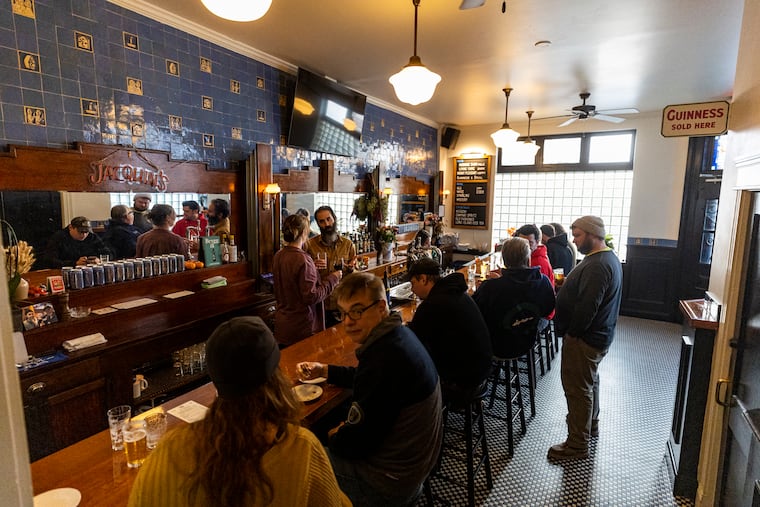
Meetinghouse
There’s no shaking or stirring at Meetinghouse: The cocktails are batched and kegged, so bartenders pull them from taps behind the bar, and like everything else here, they’re all straightforward, with little fuss. The drinks are often the purest form of classic, with throwback cocktails like Old Fashioneds, gin martinis, Long Island Iced Teas, and the Dr. Henderson (two parts Fernet Branca and one part creme de menthe, served over ice), served in diminutive glasses for throwback prices ($11). Batching makes getting the drinks as fast as getting a beer. The menu, cocktails and otherwise, is perfect for when you’re overwhelmed by choice. Don’t think too hard, don’t dwell, don’t mull, just go to Meetinghouse and get the Platonic ideal of the one thing you’re craving. — Kiki Aranita
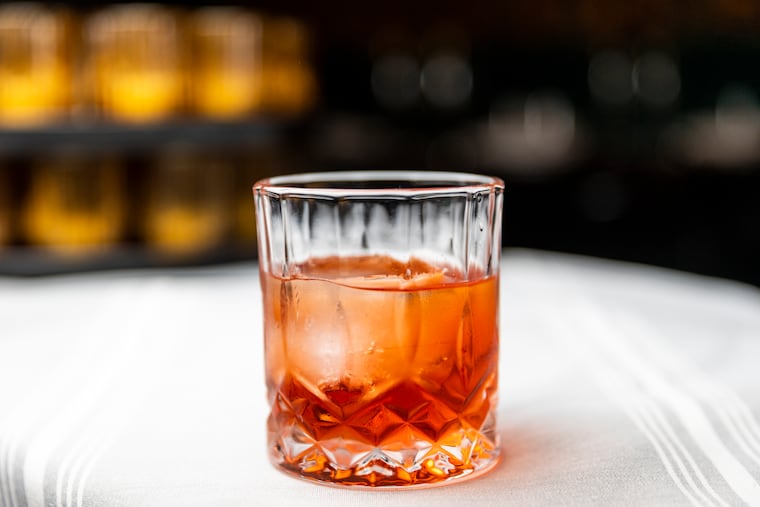
My Loup
Helmed by the effervescent Jillian Moore, My Loup’s bar program has a flair for riffs on classics that are reliably well-balanced glasses of fun. On a recent menu, there are Canadian winks strewn throughout, such as an Old Fashioned that mimics the flavor of Nanaimo bars — Canada’s iconic coconut, graham cracker, custard, and chocolate dessert — and echoes of the kitchen, like the shrimp “cocktail” martini that features shrimp brine. Pro tip: You don’t need to sit for dinner to enjoy a snack and a cocktail, or a cocktail that comes with a snack as in the case of the foie gras Manhattan and its accompanying sidecar of duck fat-seasoned Chex Mix. — Kiki Aranita

Next of Kin
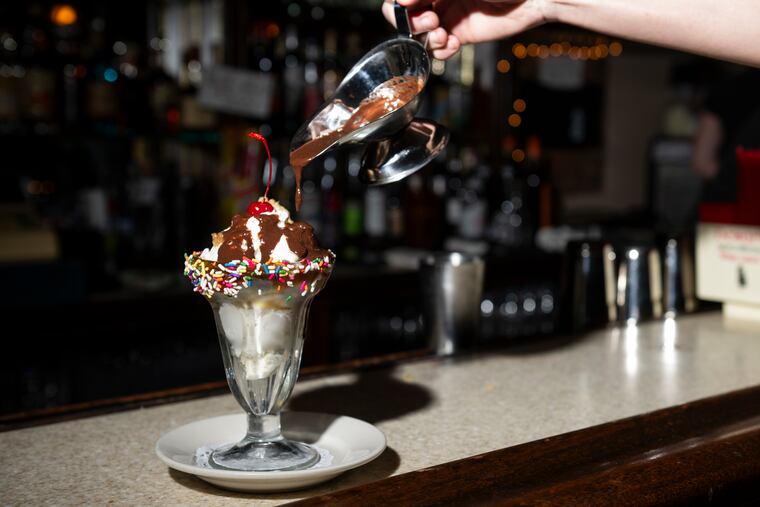
Next of Kin is a bartender’s bar, where you’ll find both experimental cocktails and iconic ones that require inordinate amounts of patience, like the gravity-defying Ramos Gin Fizz, which requires a meringue that towers over the lip of the glass to be shaken into existence. (No really, bartenders typically hate making it.) Longtime bartenders John Grubb and Kyle Darrow have gone to extraordinary lengths to make as many components of their cocktails as possible in house, from creating their own cordials to substituting Framboise liqueur for freshly made raspberry cordial. Stop by before or after dinner for a cocktail — there’s no food besides a well-stocked vending machine selling Mexican and Japanese candy and some tinned fish — and don’t worry about a reservation, since don’t take them. That there’s usually a line, but it moves briskly. — Kiki Aranita
Also appears in
Oyster House
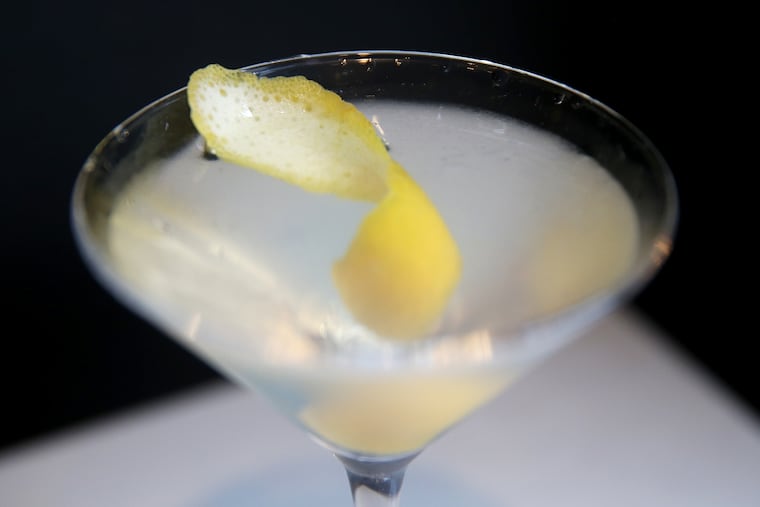
Oyster House is best known as one of the city’s greatest raw bars, but perhaps it should be nearly as well known as a cocktail bar. Earlier this year, the Center City institution hired one of Philadelphia’s most acclaimed cocktail mavens, Resa Mueller, as beverage director to push its classic-leaning cocktail program even further. The results are delicious and multidimensional, with bright, crisp cocktails that highlight distinctive components like Thai basil, green chili vodka, and jalapeno-infused tequila.The house martini ($17), for instance, is a lightly botanical marvel featuring a house-made vermouth, while the Morning Bell ($18) blends mezcal with tamarind, pineapple, pasilla, and citrus. — Kiki Aranita
Palizzi Social Club
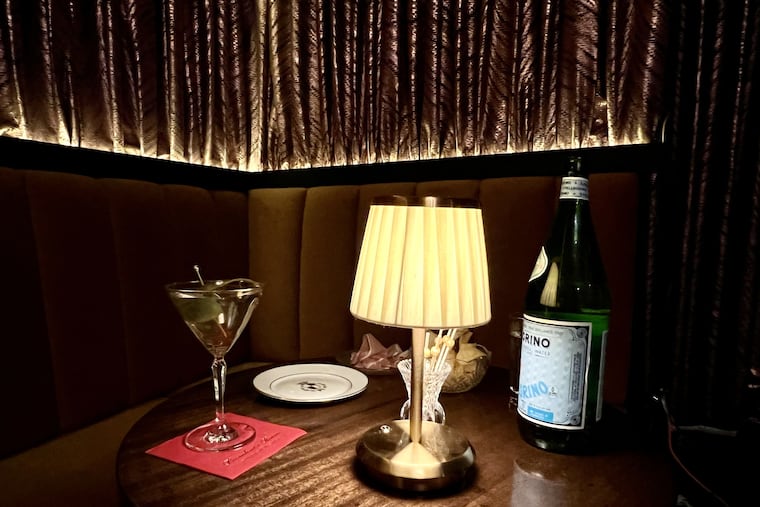
If you are (or know) a member of South Philly’s most celebrated social club, you are likely deeply familiar with its time-tested cocktails, which seldom change up — and have no need to. The DiCicco may be the smoothest, most drinkable martini in Philadelphia, a seamless combo of Ketel One and Abruzzese EVOO plus vermouth. The Bozzelli (gin, Cocchi Americano aperitif, Galliano, lime, chili) is the go-to for spicy cocktail lovers, while the Molino is a tall, frothy, overproof rye-powered amaretto sour. And the brown butter-washed D’Amo? Well, it’s quite possibly the only espresso martini Craig LaBan praises. Bonus: This year, Palizzi opened an upstairs lounge/martini bar with eight new drinks, including a clarified martini, lemon drop and Nutella variants, plus a white negroni and a scotch-Campari-orange sherbet number that’s just dreamy. — Jenn Ladd

Philadelphia Distilling
Don’t be fooled by the stunning setting of Pennsylvania’s oldest craft distillery (in fact, the first to open post-Prohibition), the booze is the real star here. Practically every spirit here is made in-house, including the Campari substitute in the negroni and the absinthe in the Arsenic & Old Lace. (Ask a bartender for more info and you might luck into trying a spirit that’s in the R&D phase.) The lengthy cocktail menu changes four times a year — only the negroni and the OG&T always stay the same — but bar manager Jesse Dureka mixes it up even more with the short-lived “Ingredient Menu,” which showcases produce from small farms. Recent entries include a lemony frozen peach-and-gin slushy and a vibrantly hued red shiso-gin cocktail with yuzu lime soda and salted plum. While those last a week or three, the seasonal menu is more durable and just as intriguing; take, for example, recent best-seller La Niña Fresa, a milk punch inspired by strawberry shortcake ice cream bar. Not singing your song? The bartenders have a rolodex of classic gin drinks, so if you’re really a glutton for options, ask for something off-menu. — Jenn Ladd
Poison Heart
Like the entirety of the menu at this moody, punk-fueled Spring Garden bar, the cocktail selection is small but mighty. The six options hit all the right notes, including the Go-Gos in Shinjuku, a coconut- and vanilla-tinged tiki number; the glowing orange Jump in the Fire (mezcal, reposado tequila, lime, mango, chipotle demerara, and a chamoy-tajin rim); and the whiskey smash-mint julep hybrid called Goodbye Horses. The hands-down best-sellers here, however, are the two superb, velvety freezer cocktails: a sazerac and a martini (your choice of twist, olive, or onion). For something easygoing and slightly fizzy, try the straight-shooting Daniella, a highball made with Dr. Pepper and a variable in-house amaro blend. Owner Andrea Ulsh says the cocktails switch up about twice a year (save for those freezer cocktails and the Daniella), and a couple are on their way out soon, so stop in to get them before they’re gone. — Jenn Ladd
R&D
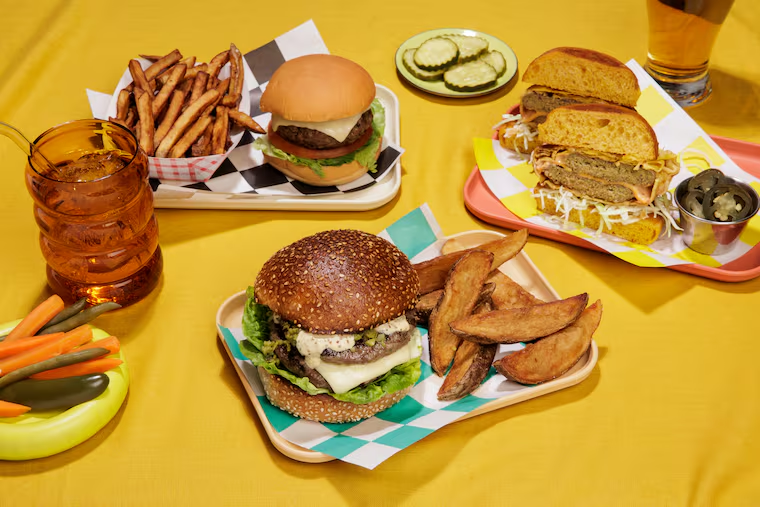
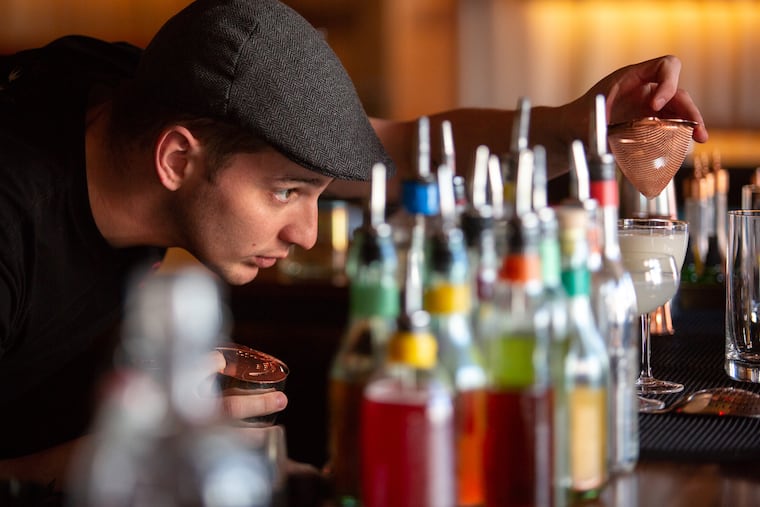
“We just try to put good drinks in cups,” says R & D owner Aaron Dreary, perhaps a bit too modestly. These days, you can toss an olive pit and hit a bar promoting a seasonal drink menu, but R & D radically overhauls its menu multiple times a year, switching up not just the drinks but the entire theme and format. (There’s an archive of past menus.) The current menu is presented to drinkers as a rolled up treasure map; unfurled, it traces connections between several classic(ish) tropical drinks — Kingston Negroni, Singapore sling, etc. — and a matching set of originals that veer in occasionally unpredictable directions, such as a mezcal green pepper mai tai riff, a Negroni twist with caramelized plantain, or my favorite, the Lost in the Loch, an Angostura-forward daiquiri of sorts whose starting point is the Hotel Nacional. In a moment of countless restaurants with try-hard cocktail programs and any number of bars turning out serviceable spritzes, what makes R & D stand out is a finely honed sensibility that balances wild creativity with utter approachability; these are drinks you can return to again and again. Also, the smash burger is pretty excellent. — Matt Buchanan

Southwark
This classy Queen Village corner bar has generated buzz with its Monday night Winewark events lately, but cocktails have been a steady draw over its 21-year run. Head bartender Randall Greenleaf’s well-curated lineup of drinks incorporates just the right seasonal produce (typically the same stuff the kitchen is using). Think grilled peach syrup balancing bourbon, allspice, and lemon in the Movin’ to the Country, or cucumber-infused tequila that’s the base for Tequila is Mah Lady, which gets lit up by lime oleo saccharum. There’s always a milk punch (currently with grappa, green tea, lavender, and mint; it’s Greenleaf’s favorite, at the moment), plus a couple options for folks who prefer something spirit-forward and stirred — like the herbal Golden Bullet (coriander gin, Finocchietto, dry vermouth, Salers aperitif). And since at least a few cocktails change up every three months or so, regulars never get bored. — Jenn Ladd
Superette
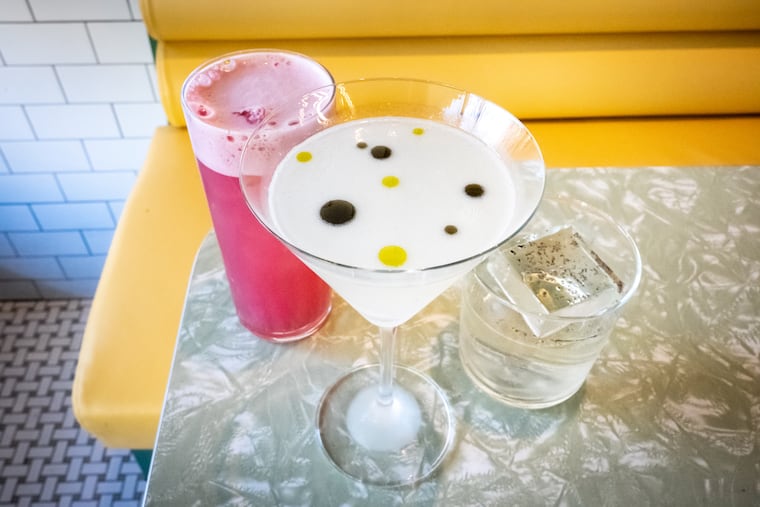
You might be lured into Superette for the now-Instagram-famous dish of comte-stuffed ravioles languishing in a pool of brown butter ($20), but the tight menu of a half-dozen cocktails — generically characterized as smash, sour, punch, and so on — holds its own in this retro space that feels a bit more Paris or Copenhagen than Philly. The golden-hued house martini is a stunningly good deal at $13, but don’t miss the elegant highball ($15), a rosy, millennial-pink concoction of tequila, fizzy grapefruit soda and “salty cassis air.” — Kiki Aranita
Also appears in
The Lovers Bar
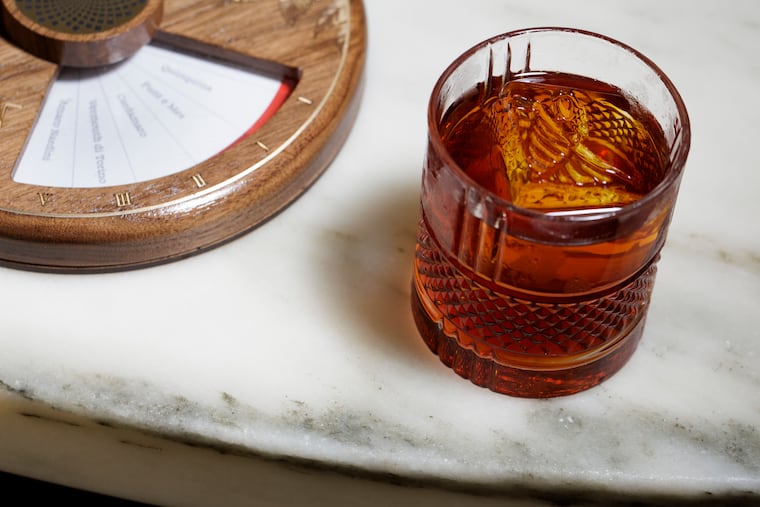
Legendary for its romantic history, the Lovers Bar, a.k.a. the first floor of Friday Saturday Sunday, also specializes in brilliant cocktails. There are several worthy staples on the drinks menu, including the spirit-forward Assassin’s Handbook, the cilantro-tinged Judgment of Paris that goes heavy on the Calvados and crushed ice, and the crowd-pleasing Orange Catholic (vodka, lemon, orange, hibiscus, Prosecco). But you’d be remiss not to take a spin on “the Carousel” — the painstakingly perfected physical manifestation of bar manager Paul MacDonald’s Fibonacci sequence-inspired cocktail program. What started out as a theory of building a drink with five contrasting fortified wines (measured in ratios that adhere to the 13th-century sequence) has spooled into a wood-encased, Game of Life-style wheel featuring 21 spirits, from green Chartreuse to Punt e Mes. If you don’t want to spin your way through 21 potential outcomes, try one of MacDonald’s favorites: Genever, Barolo Chinato, rhubarb liqueur, oloroso sherry, and Becherovka. — Jenn Ladd