The best things we ate this week
Bourbon chicken in Ardmore, snapper soup at a Center City classic, and an enormous cinnamon bun in Rittenhouse were on this week’s agenda.
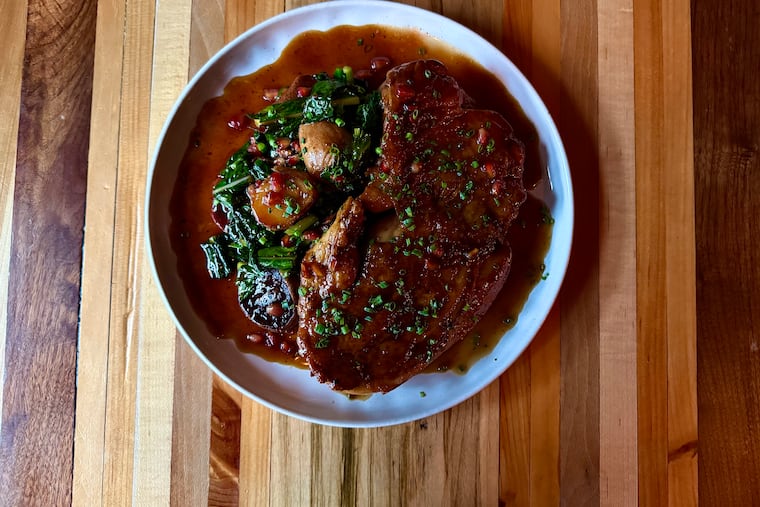
Bourbon chicken at Ripplewood Whiskey & Craft
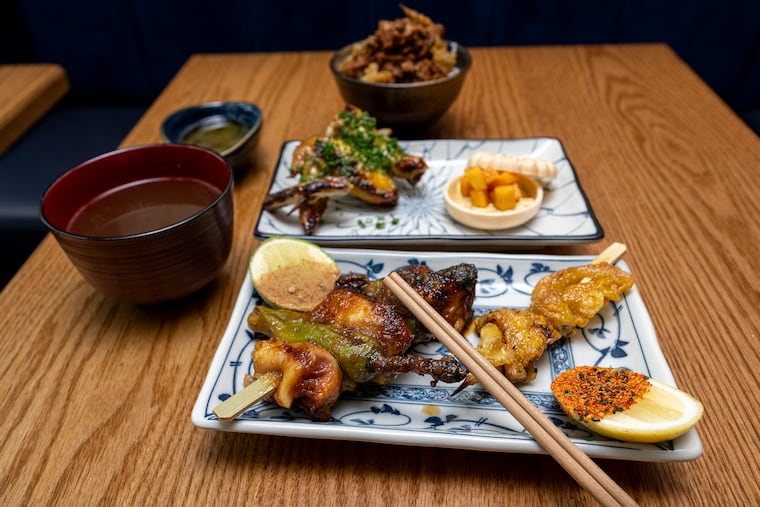
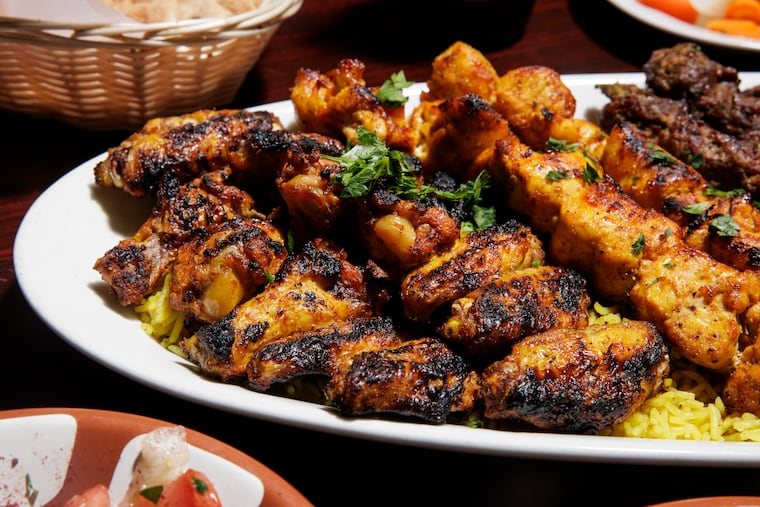
Chef Kenjiro Omori chuckles when asked about his bourbon chicken, a dinner mainstay at Ripplewood Whiskey & Craft in Ardmore. While Omori says he loves the saucy chunks sold at better mall food courts, his bourbon chicken is nothing like that. This rich, homey entree feels ready-made for a cold night.
He breaks down whole birds, deboning them while keeping the breast, thigh, and drum intact, then lightly cures and air-dries the meat for four days. In tribute to Ripplewood’s extensive whiskey collection, Omori sprays the chicken with bourbon before cooking to give it a lacquered finish. Essentially, this is Peking duck meets dry-aged chicken. Executive chef Biff Gottehrer designed the accompanying set, which changes seasonally. The winter mix includes lacinato kale, sweet potato, broccolini, and a sweet-tart mix of apricot and pomegranate, balancing comfort with cheffiness. Ripplewood Whiskey & Craft, 29 E. Lancaster Ave., Ardmore, 610-486-7477, ripplewoodbar.com
— Michael Klein
Snapper soup at Oyster House
A friend visiting Philadelphia recently told me she’d never guess that Oyster House has been around for half a century — a feat of longevity celebrated this week by the James Beard Foundation, which named the Mink family’s restaurant an “America’s Classic.” And at first glance, I could understand. The raw bar is alive with diners of all ages, sipping some of the city’s best martinis alongside icy platters of expertly shucked oysters sourced from locales from Cape May to Pemaquid, Maine. There are standard dishes you might find at any tradition-minded fishhouse — a luxurious lobster roll, clam bakes, and creamy chowders. But there are also several modern moves from chef Joe Compoli that would be at home on a creative modern American menu: vibrant crudos, octopus ramen, black garlic-glazed halibut over black rice.
If you look a little closer, however, you can see ties to local history that make Oyster House a Philadelphia classic, like the museum-worthy collection of antique oyster plates scattered like a gilt-edge porcelain constellation across the whitewashed walls. Key standbys on the menu itself function the same way. The fried oysters and chicken salad is one, a seemingly odd but absolutely delicious combo that dates to at least the 19th century, when the city was saturated with oyster houses.
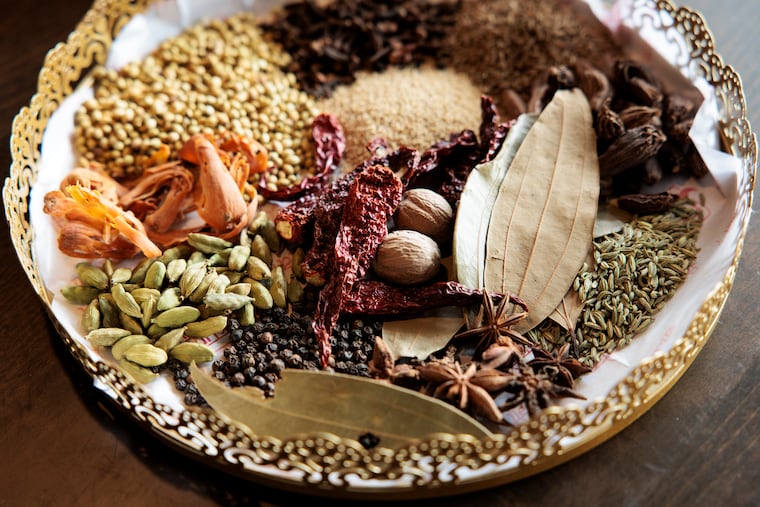
But the most iconic (and endangered) of Oyster House’s historical specialties is the snapper turtle soup. This dish has roots in Philadelphia’s colonial past, when 70-pound live green sea turtles would step off ships carrying all manner of tropical produce, just arrived from the West Indies to the city’s docks. Much smaller snapping turtles from the South are the norm now, says third-generation Oyster House owner Sam Mink, but you can still taste the echoes of the Caribbean spice trade — a heady current of allspice and clove — swirling through the mahogany broth the restaurant steeps with whole turtles (shell and all) for nearly four hours.
There are some other differences in Oyster House’s current snapper soup, which is a cold-weather staple here, and the style that was once standard across Philly in places like the (now long-gone) Bookbinder’s restaurants. Oyster House’s version is considerably thinner than the sludgy brown soup of yore. It’s still enriched with buttery brown roux, but missing the extra cornstarch that once thickened it until a spoon could stand up straight. I can taste all the slow-cooked flavors of this soup even more, as well as the velvety softness of the tender meat, thanks to a habitual splash of dry sack sherry, shaken from the tableside cruet. But traditionalists, no doubt, still complain.
“Oh, there were certainly more people that grumbled at first in 2009,” when this modified recipe was first introduced, says Mink. “But if we’d kept things so traditional and didn’t move forward with our recipes, at least a little bit, I don’t think we’d be here today.” Oyster House, 1516 Sansom St., 215-567-7683, oysterhousephilly.com
— Craig LaBan
Cinnamon bun from Vibrant Coffee Roasters
Sometimes the only thing that can cure the snowstorm blues is a ginormous cinnamon bun slathered in cream cheese frosting.
Vibrant Coffee Roasters’ are pretty hefty. They’re roughly 4 inches in diameter and heaped with so much frosting it drips down the side, just the way I like. The key to creating giant and soft buns, according to Vibrant co-owner Ross Nickerson, is to let them merge together on the tray while they bake. That way, you lock in the moisture and avoid a cardinal sin: a dry cinnamon bun that tastes stale once it cools.
Vibrant uses a hybrid sourdough-brioche dough, and Nickerson said that the staff avoids doing anything too fancy with the filling or frosting. The result is a classic cinnamon bun that’s pillowy, not too sweet, and ultra-comforting. The buns are available at Vibrant’s locations in Rittenhouse and at Sixth and Lombard, plus their sister shop, Function Coffee Labs (1001 S. 10th St.). I’d trek through snow to any of them for chance to get a gooey bun fresh from the oven. Vibrant Coffee Roasters, 222 W. Rittenhouse Square First Floor, 267-534-3608, vibrantcoffeeroasters.com
— Beatrice Forman

- Highlights Magazine has reached millions of kids over 80 years — straight from the Poconos
- Two random teenagers threw snowballs at me, a grown man. What should I do?
- How to have a Perfect Philly Day, according to Philly rapper Kur
- Reese’s cup reckoning, Olympic tears, and a very dad hat | Weekly Report Card
- The best things we ate this week
- Snacktime’s bassist couldn’t imagine living anywhere but South Philly
- Citywide Quest: Do you know where to find these Isaiah Zagar mosaics around Philly?
- Whiskey history, covered bridges, and mountain luxury in Bedford, Pa. | Field Trip
- What the Flower Show looked like before opening