Energy Department will spend $2 billion to squeeze more electricity from the aging power grid
The money will go toward 31 projects across 26 states that are expected to produce more than 23 gigawatts of additional electricity capacity — enough to power 16 million homes.
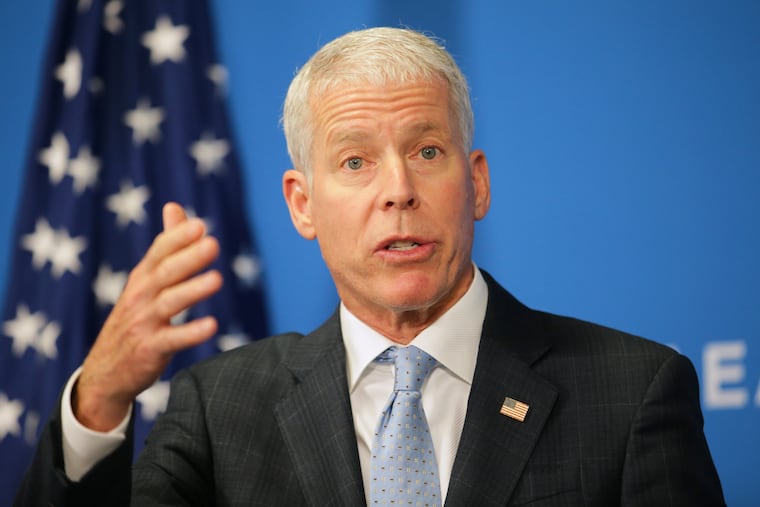
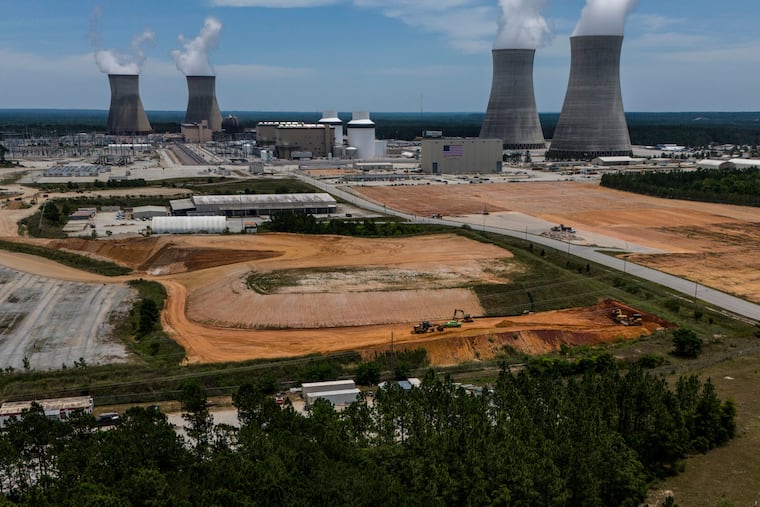
ALLENTOWN — The Energy Department announced on Thursday that it will spend almost $2 billion to try to squeeze more electricity out of the nation’s aging and stressed power grid, as President Donald Trump’s administration steps up efforts to avoid blackouts amid skyrocketing energy demand spurred by artificial intelligence.
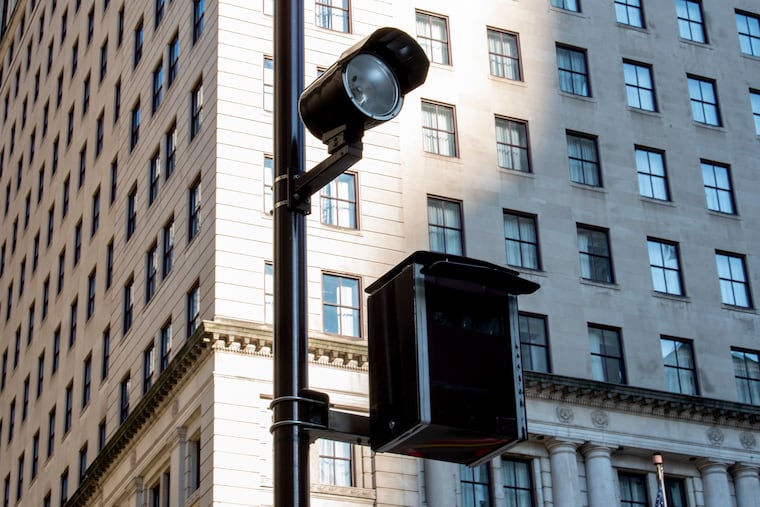
The money will go toward 31 projects across 26 states that are expected to produce more than 23 gigawatts of additional electricity capacity — enough to power 16 million homes. The projects will use new technologies such as sensors and other devices to measure real-time weather conditions to ensure safe transmission or direct power away from congested or overloaded paths, the department said.
The upgrades could improve power reliability and lower electricity costs for about 100 million Americans, officials said.
“These investments will get more out of the infrastructure we already have, move more electricity across the grid, and help deliver affordable, reliable and secure power that will fuel American prosperity for decades to come,” Energy Secretary Chris Wright said in a statement.
Wright was set to promote the grant program Thursday at a PPL Corp. facility in Allentown. The utility says two data centers in its territory came online this year and six more are under construction.
The announcement comes amid warnings that AI’s voracious demand for power is threatening to overwhelm U.S. power supplies, as massive new data centers come online faster than new power plants can be built. It also comes as electricity bills rise faster than inflation in many parts of the U.S., blamed in some areas on demand from data centers.
The snowballing opposition to data centers in communities across the country has thrown a wrench into the plans of the world’s richest companies and transformed the midterm election landscape.
Trump continues to stick up for data centers, even as politicians from both major political parties criticize them and many communities try to block them. Trump, a Republican, said last month that U.S. communities that don’t have data centers will “end up being backwards and poor.”
In the meantime, Congress and some states are trying to push regulators to require utilities to use technology and new components to make grids more efficient and better able to serve new customers without additional power sources.
Utilities — which have seen rising profits and share prices during the data center-fueled energy boom — tend to stay away from such efficiencies because they make more money from building new power plants and grid infrastructure projects that are more expensive and take longer to complete, utility critics say.
Projects being announced Thursday will involve component enhancements on more than 1,500 miles of transmission lines and technological enhancements across nearly 21,000 miles, the department said.
Projects were prioritized based on those that can be put into operation quickly, officials said. Money for the grants comes from the bipartisan infrastructure law enacted by Congress under then-President Joe Biden, a Democrat. The government’s $1.9 billion in funding will be matched by $3.35 billion in cost-share funding from the recipients, the Energy Department said.
Trump has vowed to “unleash” the nation’s energy sector in his second term, aiming to drive up record-setting domestic oil and gas production, strip away pollution restrictions on power plants and keep expensive coal-fired power plants operating past their retirement dates.
His administration has pushed to help tech giants build and connect data centers to power plants and high-voltage power lines and convert Cold War-era uranium enrichment plants into data center and power plant complexes.
Trump’s Environmental Protection Agency this summer issued a plan that would make it harder for the public to learn about and comment on proposed AI data centers.