Woman’s killing stirs a long-simmering rage over U.S. military in Okinawa
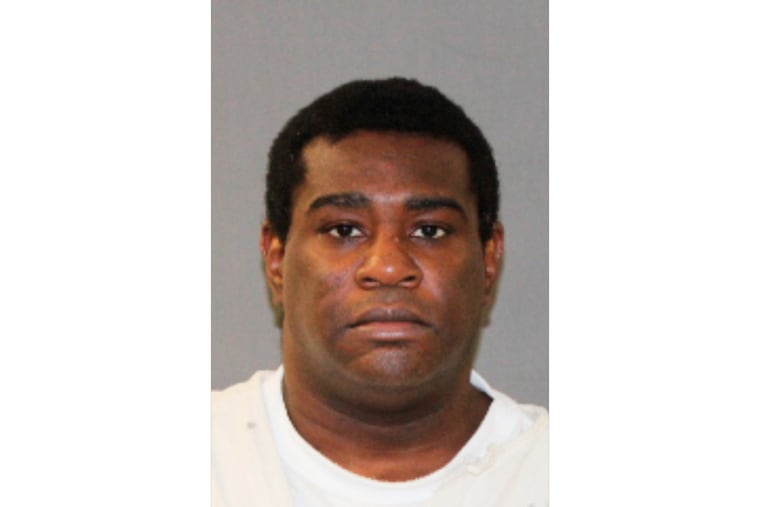
Lance Cpl. Devin Jacob Ballard, 20, was taken into custody on suspicion of killing Anna Yagi, 39, who died of suffocation in a hotel Saturday, local police said.
TOKYO — Mounting anger over a U.S. Marine arrested on suspicion of killing a Japanese woman in Okinawa has once again inflamed long-simmering tensions over the U.S. military presence in the prefecture, as Tokyo seeks to enact the most sweeping change in its security strategy in Okinawa in decades.
Lance Cpl. Devin Jacob Ballard, 20, was taken into custody on suspicion of killing Anna Yagi, 39, who died of suffocation in a hotel Saturday, local police said. Ballard is also suspected of stealing Yagi’s wallet and other belongings.
Ballard has denied the allegations, police said.
The case was referred to the local prosecutor’s office, though it remains unclear whether authorities will prosecute Ballard. Under a long-standing agreement governing U.S. troops in Japan, Ballard is subject to Japanese jurisdiction because the alleged crime occurred while he was off-duty.
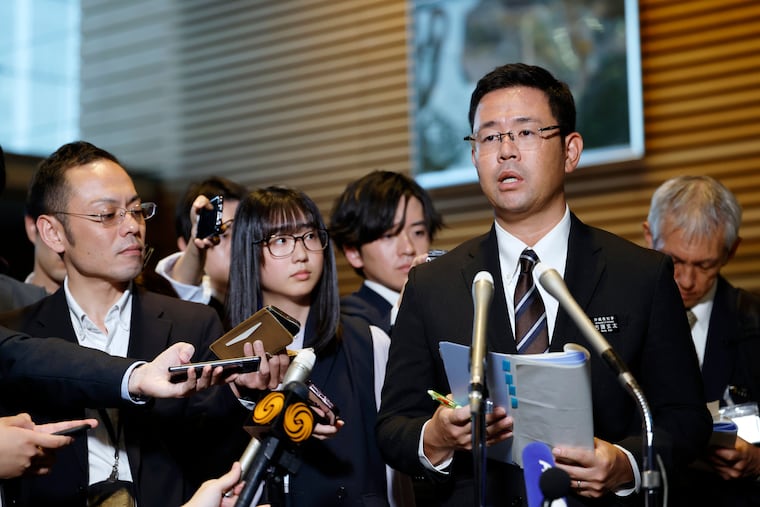
The incident drew immediate backlash from Okinawan and national authorities. Both the U.S. ambassador to Japan and the commander of U.S. Forces Japan were summoned to Tokyo, and Prime Minister Sanae Takaichi called the case “extremely brutal and heinous” in a statement on X.
About 180 people held a protest outside the U.S. Embassy in Tokyo on Tuesday evening, and a demonstration outside the Foreign Ministry is scheduled for Thursday evening.
U.S. Forces Japan said Tuesday that all personnel stationed in Okinawa would suspend all activities for 48 hours starting Wednesday and undergo training on standards and discipline. Troops will also be subject to a curfew for a 30-day “Period of Reflection.”
The incident comes amid efforts by both governments to grapple with what the Japanese Foreign Ministry has described as “the most severe and complex security environment since the end of World War II,” with Japan at the center of a campaign to reinforce the U.S.-led security order amid threats in the region from China, North Korea, and Russia.
Takaichi, a China hawk, last year suggested that Japan could become involved in defending Taiwan, a self-governing island claimed by China, in case of Chinese invasion, breaking with decades of policy. As the prefecture closest to Taiwan, Okinawa is central to Takaichi’s “southwest shift” strategy of bolstering the Japanese military presence in the region.
Okinawa already bears a disproportionate burden in hosting American forces in Japan. The prefecture contains about 70% of U.S. military facilities in the country, despite representing less than 1% of Japan’s land area. Local residents have long voiced anger and resentment over crime, environmental pollution, and overcrowding resulting from military bases in the region.
For over a decade, the political reality in Okinawa has been characterized by the central government in Tokyo backing — and local governors rejecting — plans for strengthening both the American and Japanese military presence in the region.
But the newly inaugurated governor of Okinawa, Genta Koja, ran on a more conciliatory platform, dropping his predecessor’s opposition to the construction of a new U.S. Marine Corps base in Henoko and expressing willingness to work with Tokyo on the southwest shift.
Saturday’s arrest is likely to complicate the governor’s approach. Koja said in his first policy speech Tuesday that he would make “protecting Okinawa” a major pillar of his administration and that he would call for a reduction in U.S. military bases in Okinawa in a meeting with Takaichi on Wednesday.
Koja now faces a “very important question,” said Fumiaki Nozoe, a professor of international politics at Okinawa International University. “When Japan’s national security policy comes into conflict with the lives and livelihoods of Okinawa residents, which side will he stand on?”
In the past, crimes committed by U.S. forces in Okinawa have pushed the Pentagon to offer concessions to the local government. After three U.S. servicemen raped a 12-year-old Okinawan girl in 1995, public outrage spurred Washington to announce plans to shutter Marine Corps Air Station Futenma, though the base remains open.
Saturday’s incident is unlikely to result in concessions given the ongoing push to militarize further in Okinawa, Nozoe said.
“I would imagine that the Japanese and U.S. governments are essentially thinking that they can manage the damage, let the issue gradually fade away, and then proceed with the next Japan-U.S. joint exercises and the plans for the realignment of U.S. forces,” he said. “But if they do not take some kind of fundamental measures, another incident or accident will occur, and there will again be a backlash in Okinawan society.”