New protections for Philly renters are in effect. Here are three big changes.
The Safe Healthy Homes Act bolsters protections from retaliation and eviction without cause, and strengthens rights for unionizing tenants.
Philadelphia renters have new rights under a package of laws that went into effect Nov. 1.
The Safe Healthy Homes Act protects tenants from being evicted without cause, bars retaliation against them for filing complaints or joining tenant unions, and makes it easier for renters to sue. The new law also establishes a fund for renters forced out of their homes due to unsafe living conditions.
About half of Philadelphians rent their homes, and city council members passed the bill after hearing from residents who described living with mold, crumbling ceilings, pests, and no heat.
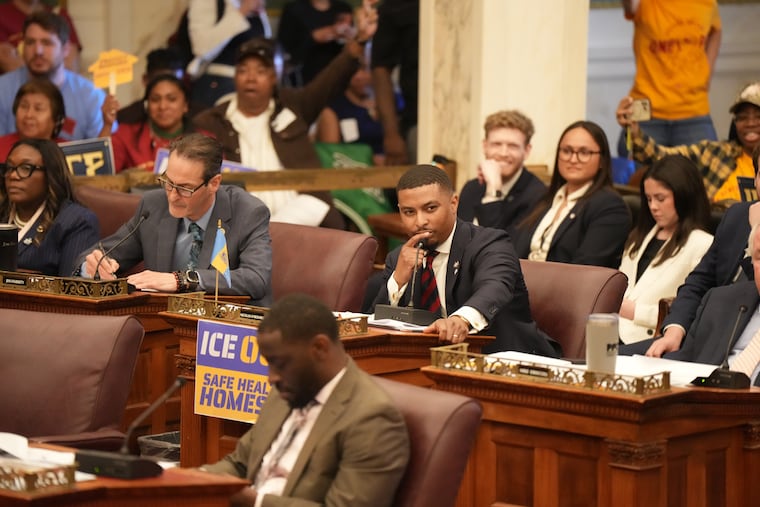
The Safe Healthy Homes Act, introduced by Councilmember Nicolas O’Rourke, passed 16-1 in April — enough votes that it would become law even without the mayor’s support. Mayor Cherelle L. Parker signed it into law in May.
Some groups such as the the National Apartment Association said the new law adds risks and complications for landlords and may result in increased rent for tenants. Two landlords have already sued the city. That legal action is ongoing.
Here are some of the biggest changes under the Safe Healthy Homes Act:
Retaliation protections
Established laws prohibit city landlords from ending or changing a lease to punish renters who file complaints with the city’s Department of Licenses & Inspections, according to the Public Interest Law Center. Tenants also may organize with others, it said.
However, in the past, if a renter was targeted for either of these activities, they had to file a complaint with the Fair Housing Commission or sue in court — not exactly an easy alternative for someone living paycheck to paycheck.
With the new rules, landlords are explicitly barred from making these changes to the lease in these circumstances. They also can’t refuse to lease to someone or otherwise punish them for these actions.
“The new law will also protect tenants from retaliation based on their good faith communications with government officials and/or testimony in judicial proceedings,” the legal nonprofit said.
Tenants will be eligible for $1,000 per infraction, plus attorneys fees, which the law center said makes it easier for lawyers to take on these cases.
Expands ‘good cause’ rules
Similarly, the new law expands who is eligible for protection under the city’s “good cause” law. Good cause protection demands that landlords have a legitimate reason before they end a tenant’s lease, the law center said.
Previously, only Philly renters living on month-to-month leases were protected by the good cause rule.
“Under the Right to Safety legislation, all tenants will be protected by good cause requirements, no matter what type of lease they have,” the Public Interest Law Center said.
There are still plenty of reasons for a landlord to end a lease. Tenants who always pay rent late, don’t pay at all, or who create nuisances or do things like harass neighbors are just a few of the examples provided.
Adds new rights for tenants
Another rule focuses on renters’ right to organize and create unions, the law center said.
Landlords must engage in good faith negotiations with tenants’ groups. They must treat organizers who don’t live on-site the same as anyone else that visits a location. Landlords are barred from interfering with organization efforts.
Another aspect of this law requires that landlords provide 24 hours’ notice before entering an apartment. They cannot deny amenities that were in the lease, and they can’t harass or intimidate tenants by reporting them to immigration officials.
Similar to the other new laws, tenants can seek damages to help pay for legal assistance should they go to court.
Complications for landlords
The package of laws add new compliance requirements for Philadelphia housing providers, according to the National Apartment Association.
“Industry stakeholders have expressed concern that the expanded standards could create additional litigation exposure and make it more difficult for housing providers to address legitimate operational and lease enforcement issues,” the group said in September.
The group pointed to a study that it had partly sponsored, which found that some new housing regulations actually can increase the cost of rent, “particularly for lower-income renters and those renting from small multifamily properties.”
Earlier this year two landlords, one of whom is the political chair for HAPCO Philadelphia, the city’s largest rental property owners’ association, sued the city over its consideration of the law. The plaintiffs said city council violated Pennsylvania’s Sunshine Act and the city’s Home Rule Charter, the apartment association said.
It said that the legality of some of the Safe Healthy Homes provisions could be challenged in court.
“The plaintiffs have expanded their claims to include constitutional and property rights arguments connected to the new obligations under the legislation imposed on housing providers,” the group said.