The Morning Newsletter
Start your day with the Philly news you need and the stories you want all in one easy-to-read newsletter
Welcome to Saturday.
Today, we’re meeting the Revolutionary subject of a new Pride Month walking tour.
But first, there’s news on what caused the huge SEPTA bus lot fire, the former leader of the Philadelphia Proud Boys suing for restitution, and why a South Jersey Sikh man was condemned for leading prayer in Congress.
— Paola Pérez (morningnewsletter@inquirer.com)
If someone forwarded you this email, sign up for free here.
What you should know today
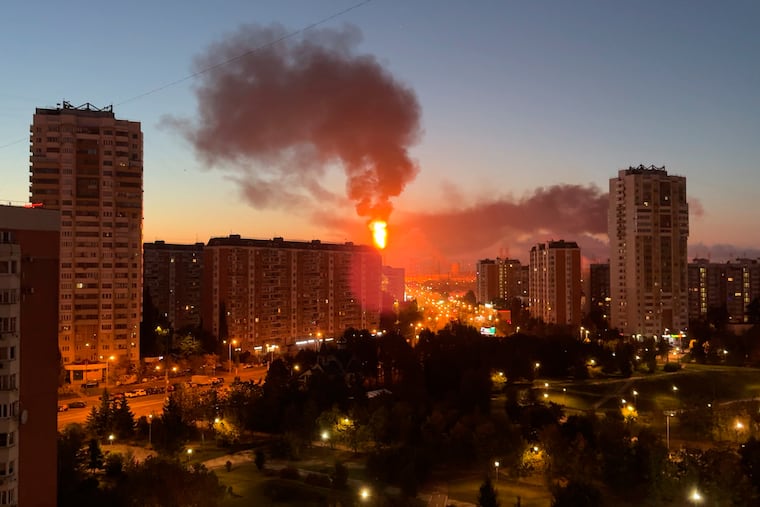
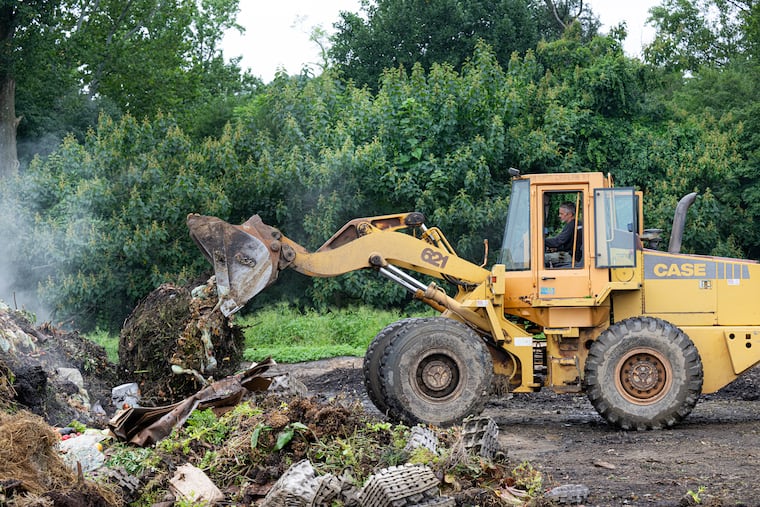
The blaze that enveloped 40 decommissioned SEPTA buses is believed to have started by an electric battery. It’s not the first time these have ignited.
A man is in custody after allegedly assaulting a Philadelphia Fire Department lieutenant Friday morning, sparking what police believed was a barricade incident in the city’s Tacony section.
Officials have identified the man whose body was recovered from the Schuylkill River in Pottstown earlier this week.
Zach Rehl of the Philadelphia Proud Boys has sued the federal government and alleges he and other Proud Boys were illegally prosecuted for their role in the Jan. 6 attack on the Capitol.
The city Department of Human Services overburdens frontline workers in Philadelphia’s outsourced foster care system due to the way it measures their caseloads, child welfare advocates told City Council on Friday.
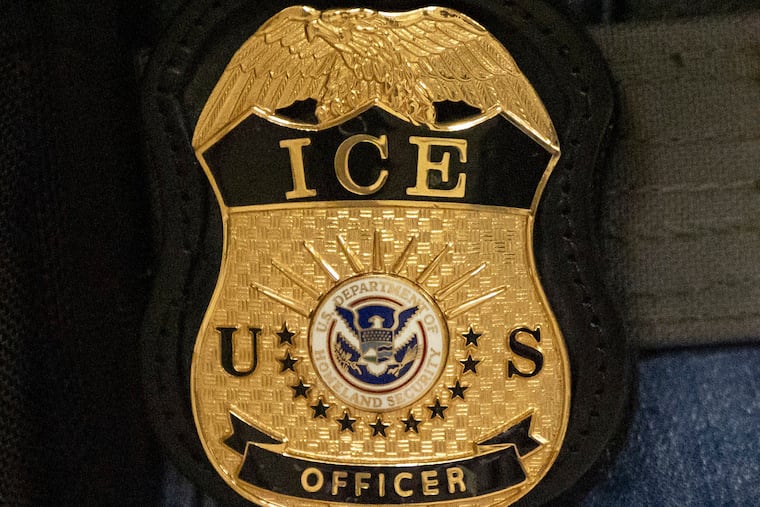
Nearly 20 people have been arrested by ICE in Norristown. Immigration advocates are urging Montgomery County officials to take stronger action.
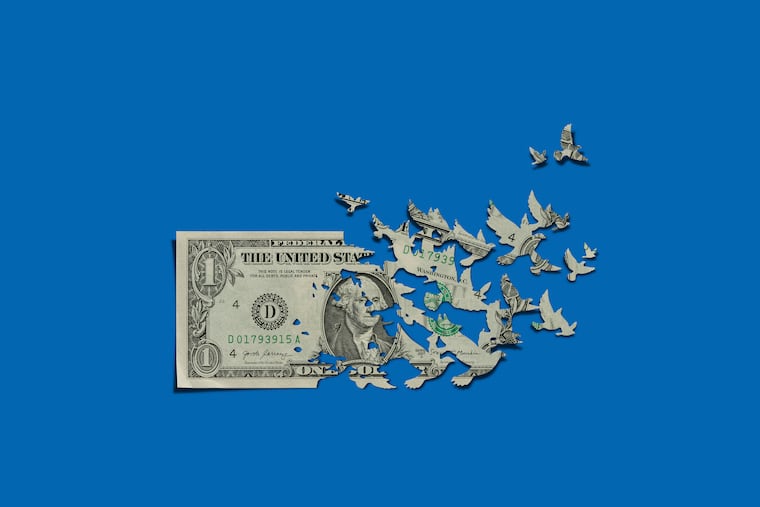
Bayada Home Health Care, one of the nation’s biggest home care providers, cut about 100 jobs, or about 10% of the staff, at its Pennsauken headquarters, the nonprofit organization said Friday.
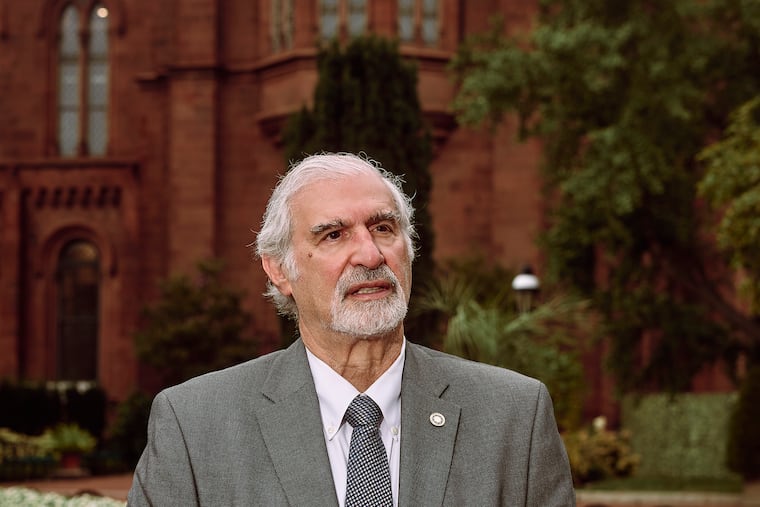
After leading the U.S. House in a prayer on Friday, a Sikh man from South Jersey was the target of a highly critical social media post by U.S. Rep. Mary Miller (R., Ill.), who found the participation by a non-Christian “deeply troubling.”
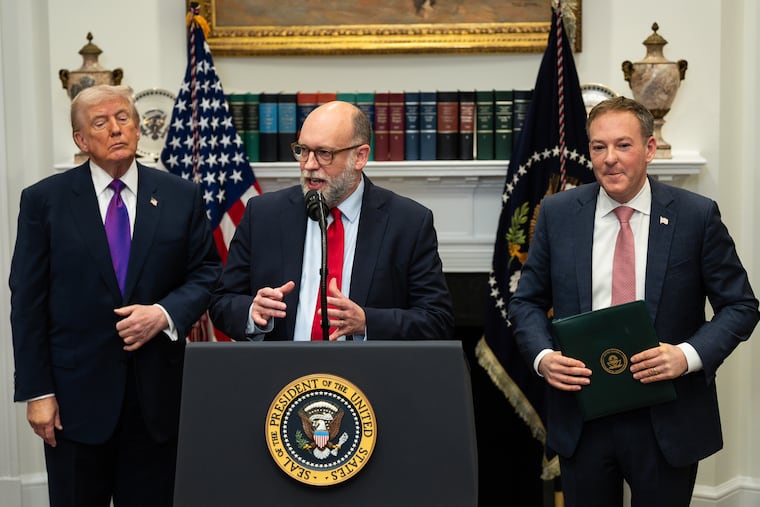
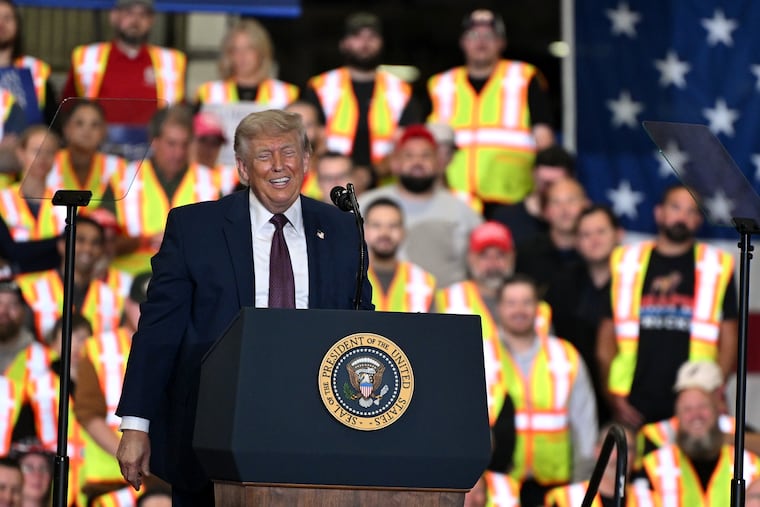
The Trump administration is scrambling to rehire federal employees dismissed under DOGE’s staff-slashing initiatives that wiped out entire offices. Meanwhile, Republicans are urging the president and billionaire Elon Musk to end their feud.
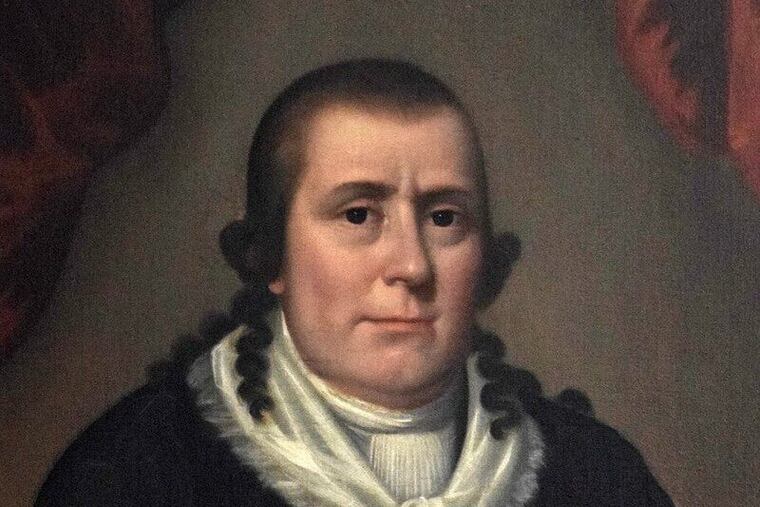
There’s a new walking tour at the Museum of the American Revolution that highlights a preacher who identified as nonbinary in the 1780s. They went by the name the Public Universal Friend, and came to Philadelphia with six followers, preaching about virtue, abstinence, and abolitionist beliefs at places like the Arch Street Meeting House.
I learned about the Friend through Stephanie Farr’s latest piece where she detailed her experience of the tour, which just debuted in celebration of Pride Month. Though the Friend did not get the warmest welcome and was judged for their unorthodox appearance, their story is a fascinating slice of history. It presents another opportunity to reflect on the meaning of revolutionary, especially with America’s Semiquincentennial around the corner.
🎤 Allow me now to pass the mic to my colleague Stephanie Farr:
“Before last week, it was only men and women I imagined on the colonial streets of Philadelphia. I didn’t know anyone publicly identified outside of the gender binary back then — or that they could do so without facing persecution.
But the Revolutionary War was a revolutionary time, not just for this country, but for individuals who wanted to explore their own identity and the very concept of identity itself.” — Stephanie Farr
Read along to join Farr on a preview of the tour, which debuts today and runs again on June 21.
Friday marked the 81st anniversary of the D-Day landings that helped lead to Hitler’s defeat in World War II.
In a column for The Inquirer, Vincent Simonetti tells the story of his grandfather, Domenic Simonetti, who was part of “the Mighty Eighth” being honored in Normandy, France, this year. Simonetti was a proud son of immigrants, a violinist and member of the symphony orchestra in Philly.
“Domenic Simonetti was a proud product of the Philadelphia melting pot and the great American dream,” Simonetti writes.
Read on for Simonetti’s tribute.
🧠 Trivia time
This week in Philly history: The first edition of The Inquirer rolled off the flatbed press. What year was it?
A) 1825
B) 1866
C) 1829
D) 1800
Think you know? Check your answer.
🧩 Unscramble the anagram
Hint: Acclaimed writer and civil rights activist
JAWS MANDIBLE
Email us if you know the answer. We’ll select a reader at random to shout out here.
Cheers to Georgie Simpson who correctly guessed Friday’s answer: Aramingo Avenue. A real estate firm purchased five commercial properties on the Port Richmond stretch, including a Wawa and a zombie Rite Aid, for nearly $14.8 million.
Saquon Barkley stopped by Geno’s Steaks Philly on Monday with EA Sports. The South Philly shop was transformed into “Steakquon’s” in celebration of the Eagles running back’s Madden 26 cover announcement.
See Barkley chop up cheesesteaks and greet fans through the lens of staff photographers Alejandro A. Alvarez and Monica Herndon.
Somewhere on the internet in Philly
Our city has some pretty incredible buildings. One Philadelphian joked: “This is clearly Paris, you can’t fool me.”
The Wells Fargo Center’s longtime name may be officially gone from its exterior, but it will stay “the farg” in some of our hearts. It’s truly the end of an era.
Over on Facebook, people are sharing “the most Philly picture” in their camera rolls. There’s a little bit of everything.
A reel with drone footage of two risk-averse SEPTA riders — literally riding on top of the train — is making the rounds. The official SEPTA Facebook page even chimed in to ask if the original poster called the police. Another comment said: “What is this, Mission Impossible: Frankford Avenue?”
And Bryce Harper is apparently watching Gossip Girl, arguably one of the best things to binge while recovering. I just have one question, Bryce: Team Blair or Team Serena?
👋🏽 I hope you have a great day. Let’s catch up again tomorrow.
By submitting your written, visual, and/or audio contributions, you agree to The Inquirer’s Terms of Use, including the grant of rights in Section 10.