In the ongoing SEPTA crisis, getting fans to games outranks getting kids to class | Editorial
The city’s schoolchildren can rightfully ask why the struggles of football fans — with at most a dozen home games a year — have gotten so much more attention than their own.
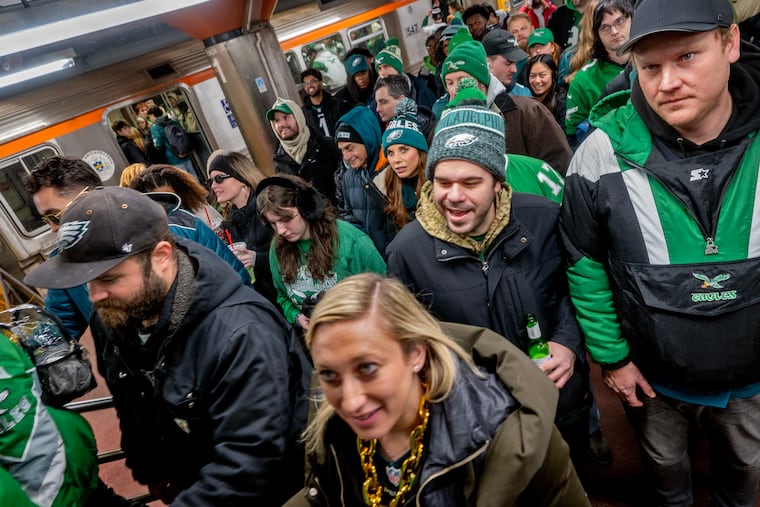
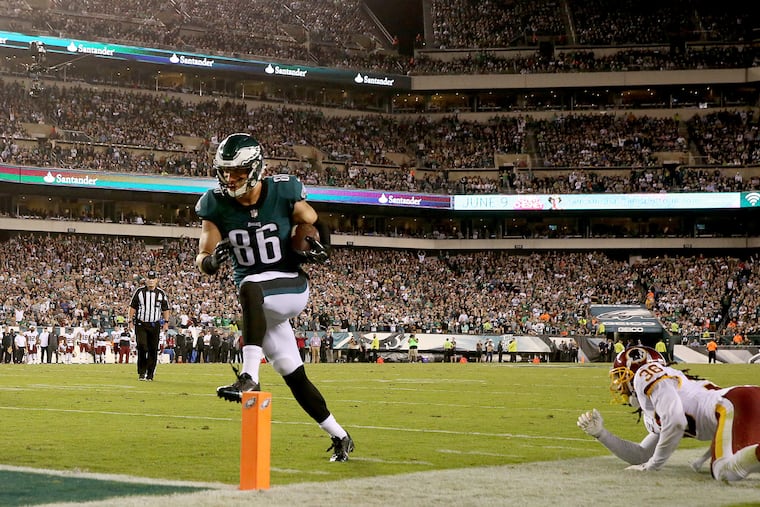
Spectators at Lincoln Financial Field Thursday night will get to see the Eagles raise their second Super Bowl banner in eight years before the team takes the field against the Dallas Cowboys. Fans will also be fortunate to avoid what could have been a transportation nightmare.
Thanks to a sponsorship from FanDuel, an online gambling platform, SEPTA will be able to run sports express trains for the game. That means tens of thousands of attendees, some of whom will have been drinking since before lunch, will have a safer option to get home. While Eagles fans are understandably excited about this resumption of game-day normalcy, everyday SEPTA riders are still being left behind.
That’s because Harrisburg has yet to pass a budget or a sustainable solution for transit funding across the commonwealth. Until that happens, the region will remain exposed to the chaotic transportation conditions Eagles fans will manage to evade, with the city’s economic vibrancy, educational outcomes, and quality of life at risk.
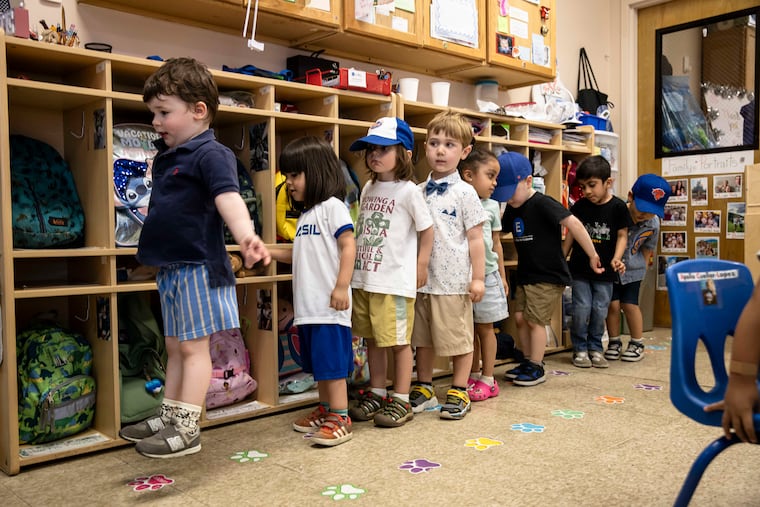
The city’s schoolchildren can rightfully ask why the struggles of football fans — with at most a dozen home games a year — have gotten so much more attention than their own, which are a part of their daily lives. No one in the General Assembly seems to understand that when many of Philadelphia’s kids go to school, SEPTA is how they do it.
» READ MORE: GOP blame shifting won’t restore SEPTA service | Editorial
The same Republicans who relentlessly push for school vouchers to help students “escape their zip code” are unwilling to fund the transit system children rely on to get to class. Democrats who celebrated the long-needed increase in education funding in last year’s budget failed to secure the sustainable funding transit agencies needed to avoid this fall’s cuts.
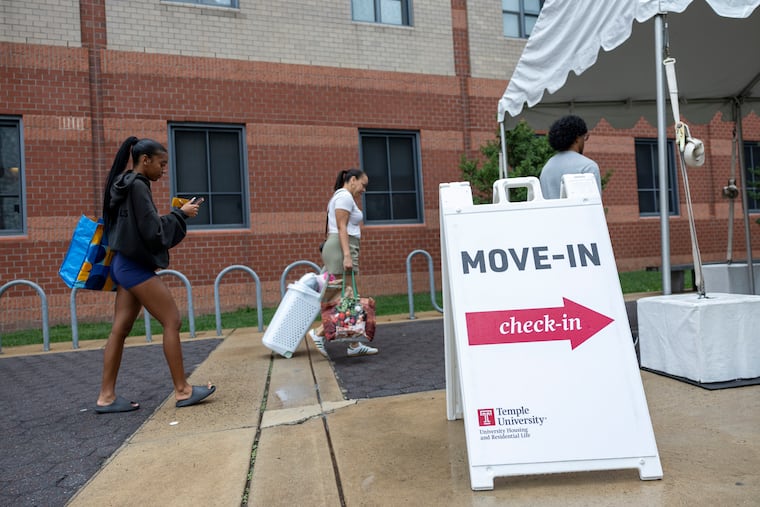
Whether they attend private, charter, or public schools, students need to be present and on time to succeed. According to Philadelphia School District Superintendent Tony B. Watlington Sr., the transit cuts have already had a significant impact on attendance, with 64% of schools reporting an increase in tardiness, and 54% reporting more absences.
While some creative accounting from the mayor’s office will restore some service for some students, SEPTA will continue to operate in its hobbled form for the foreseeable future, with even more devastating cuts coming in January.
Per SEPTA, roughly 100,000 daily rides are already missing from the transit system, and nearly 1,000 riders per day have been unable to board their usual buses because of overcrowding, four times the usual rate.
» READ MORE: Shapiro and Senate Republicans need to get SEPTA funding done | Editorial
Fortunately, there is some recognition in Harrisburg that transit funding is a problem that needs to be addressed, even if the negotiating parties seem to lack the urgency the crisis deserves.
Still, it seems many are unwilling to look beyond stopping the cuts in the short term, which would fall short of what transit agencies need. State Senate Appropriations Chair Scott Martin, who represents parts of Lancaster County, dismissed the idea of a long-term solution, arguing that SEPTA needs to demonstrate progress on fare evasion, cleanliness, and safety in order to continue receiving funds.
But Inquirer reporting shows SEPTA has done exactly that. To suggest the transit agency is not taking the problem seriously is unfair. Just this year, thousands of riders have been charged with fare evasion, and more funding could help in improving fare collection efforts.
In fact, there is a wide recognition at SEPTA that fare evasion and other forms of bad behavior are strangling the system. Officials with the Transit Workers Union have made safety their priority in contract negotiations, even above compensation. Management has acted, as well. Beyond the emphasis on catching turnstile jumpers, SEPTA is also fining more smokers, has hired 100 additional cleaners, and increased its police force headcount by 27% since 2022.
» READ MORE: Harrisburg can’t let regional factionalism keep them from finding common ground on SEPTA | Editorial
If Republicans are concerned about SEPTA backsliding on these issues in the future, they should write these requirements into law rather than holding riders hostage.
Moving forward on a transit funding solution might be what Pennsylvania needs to solve the current budget impasse, which has now lasted for more than two months — especially since there’s increasing clarity on what a final deal might look like.
In an interview with local TV news in Harrisburg, state Senate Majority Leader Joe Pittman expressed support for a total spending of over $49 billion per year. Gov. Josh Shapiro’s most recent offer is $49.9 billion per year. That’s a significant shrinkage in disparity from the $4 billion separating the proposal passed by Senate Republicans last month and the governor’s initial $51.5 billion plan.
These leaders owe it to all Pennsylvanians, not just transit riders, to finalize an agreement. Our students, seniors, and commuters can’t count on FanDuel to bail them out.

The transit cuts proposed due to a financial shortfall would be a setback to the entire region — and state.
Read more from Inquirer Opinion:
- Harrisburg can't afford to let SEPTA fail | Editorial Board
- I wouldn't be here without public transit | Daniel Pearson
- Despite our complaints, SEPTA is actually efficient | Alan Fisher
- We deserve transit investment, not just survival | Jay Arzu
- SEPTA cuts would make our air dirtier | Christine Knapp
- Masterman students could lose a lifeline if services are cut | Leila Golzari-Hunt and Olivia Kang
- How SEPTA cuts could affect Pennsylvanians | Daniel Pearson
- Transportation in Pennsylvania is a bipartisan issue | Mark Schweiker and Ed Rendell