Safe surrender for Camden fugitives
TRENTON, N.J. - James Williams was charged with drug possession when Philadelphia police raided a friend's house while he was visiting. After he missed a court date, the 24-year-old became a fugitive, and couldn't apply for a job or collect disability for fear of tipping off authorities to his whereabouts.
TRENTON, N.J. - James Williams was charged with drug possession when Philadelphia police raided a friend's house while he was visiting. After he missed a court date, the 24-year-old became a fugitive, and couldn't apply for a job or collect disability for fear of tipping off authorities to his whereabouts.
He lived like that for six months, too scared to show up at a police station and unable to get his life together while hiding in society's shadows.
In September, Williams was one of 1,246 Pennsylvania fugitives to voluntarily turn himself in during a four-day safe-surrender program.
New Jersey fugitives can take advantage of Fugitive Safe Surrender next week, as Camden becomes the 12th city nationwide to host the peaceful surrender program since 2005. People surrendering are advised to go to Antioch Baptist Church, 690-700 Ferry Ave. in Camden, between 9 a.m. and 4 p.m. Wednesday through Saturday.
"I was kind of nervous and scared about going to the courts and getting it done," said Williams, whose charges were dropped the day he surrendered. "More than definitely, I would tell people to go this route. I've seen somebody come with a warrant. It ain't nothing pretty. They might come for you at 2 or 3 in the morning. You just never know when they're coming."
With his record now clear, Williams is looking for part-time work on the books and receiving disability for chronic injuries sustained in a fire when he was a child.
"We used to tell them in the FBI, 'You want to go head first or you want to go feet first,' " said State Parole Board Chairman Peter Barnes Jr., who spent decades in the FBI. " 'It's up to you how you want to handle it.' "
Barnes said he hopes more than 1,000 felons surrender.
Most people wanted for nonviolent offenses - such as drug possession or theft - will be able to return home the same day after being given a court date for later. Those wanted for violent offenses will have their cases looked at more favorably by judges, Barnes said.
Fugitive Safe Surrender has been held in 11 U.S. cities, resulting in the resolution of 14,892 cases. It began in Cleveland in 2005 in response to the killing of a city police officer by a fugitive, and was authorized by Congress the next year. It's run by the U.S. Marshals Services and geared toward nonviolent felons, but U.S. Marshal for New Jersey Jim Plousis said no one would be turned away.
"Camden is one of the most violent cities in the country and one of the poorest, so we believe it can only help in Camden," Plousis said.
Cases will be processed on the spot, Plousis said, with superior and municipal court judges and public defenders on site. Child care and an array of social service and job training agencies will also be available so fugitives can tap into services they've been unable to access while on the lam.
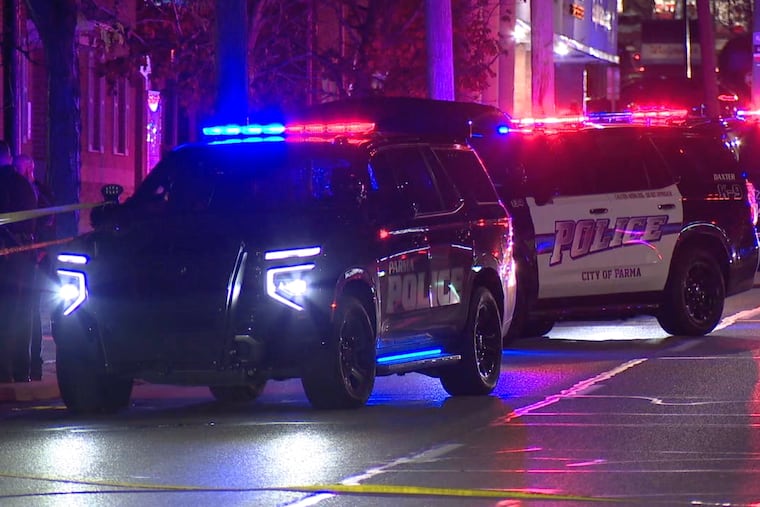
Law enforcement agents such as Sgt. Sharon Longinetti, who heads the State Parole board's Fugitive Apprehension Unit, praised the use of a peaceful surrender program, saying fugitive takedowns can be dangerous for everyone involved.
"My guys go out all over the state to apprehend fugitives," Longinetti said. "They're putting their safety on the line every day, in addition to the fugitive's safety and the safety of whoever they're living with."
Longinetti said the advantages to safe surrender are obvious.
"They [the fugitives] can stop looking over their shoulder," she said. "These people can't get legal jobs, because we'll find them that way. This is an opportunity for them to stop worrying about somebody knocking on their door and taking them back to jail."
Barnes described how fugitive operations typically work:
"They're hiding, they're scared, a lot of times they have family involved. You have to go in there - sometimes you're kicking in their door and chasing somebody around, and people get hurt.
"It's amazing we haven't thought of something like this in the past," he said.