The anti-headshot
Scene Through the Lens with photographer Tom Gralish.

Among the most common types of newspaper photo assignments, I have a least favorite: a portrait of someone being interviewed by a reporter. Or being interviewed by a bunch of reporters. (Don’t worry, this is not a half-empty glass gripe. Keep reading, it’s actually a positive post.)
On TV they’re called “talking heads” and in still photos they’re “headshots.” But they’re not really heads. Their sole purpose is to show viewers/readers what a person looks like. A face.
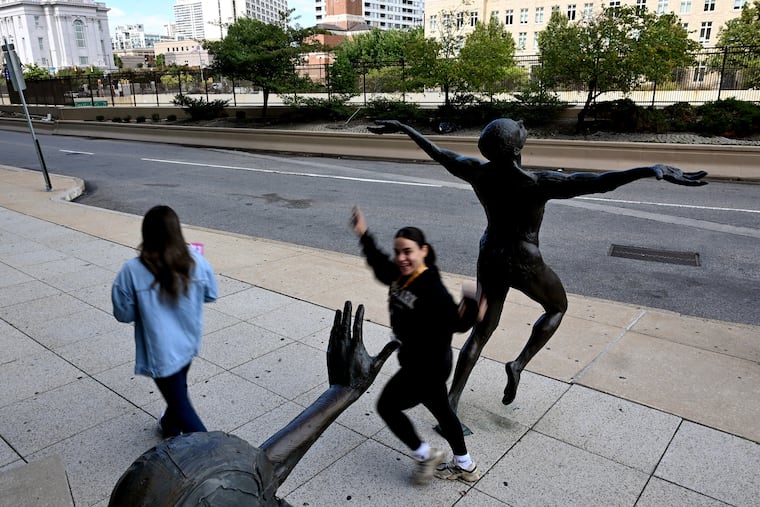
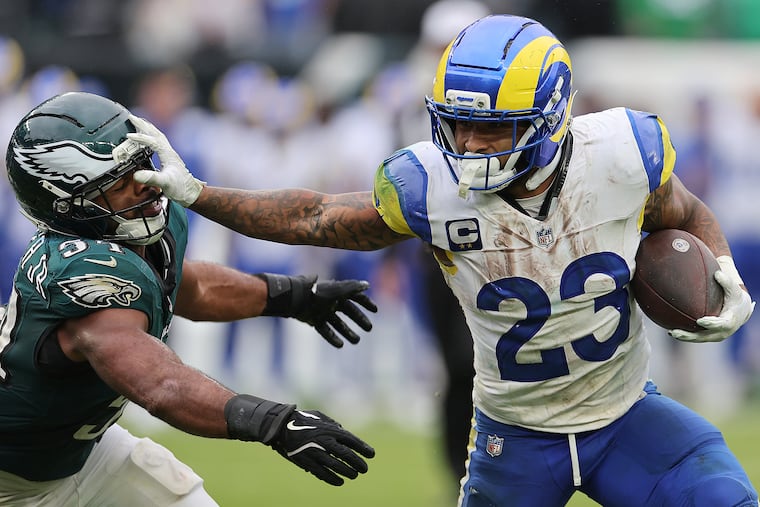
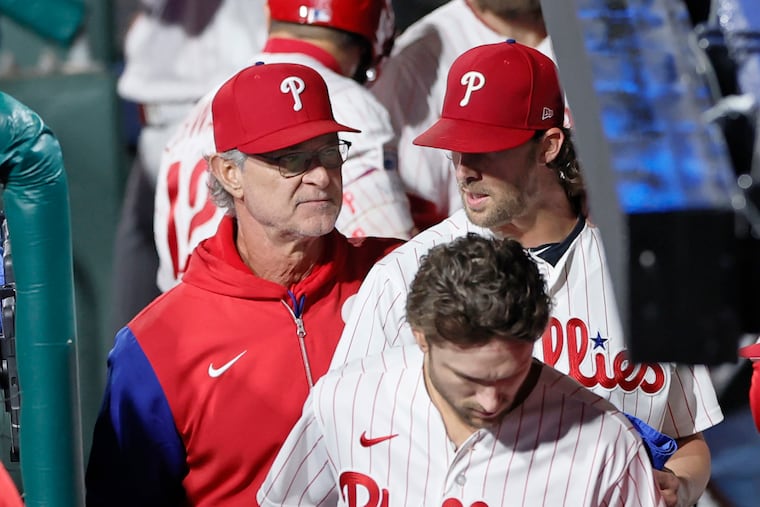
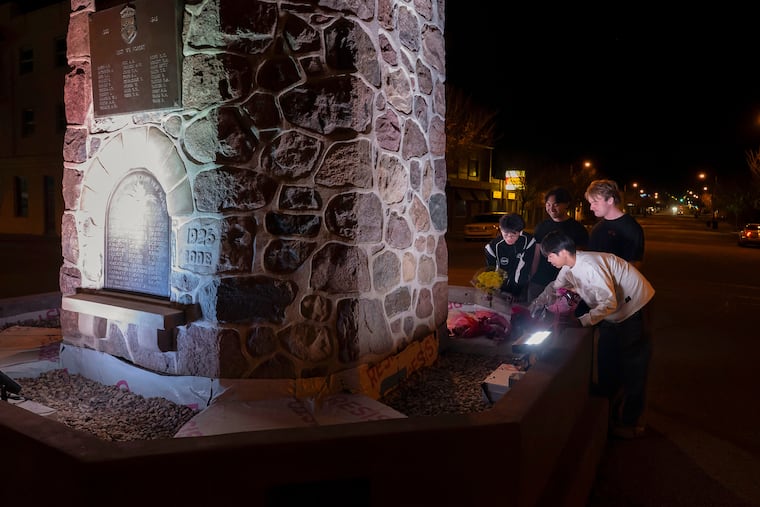
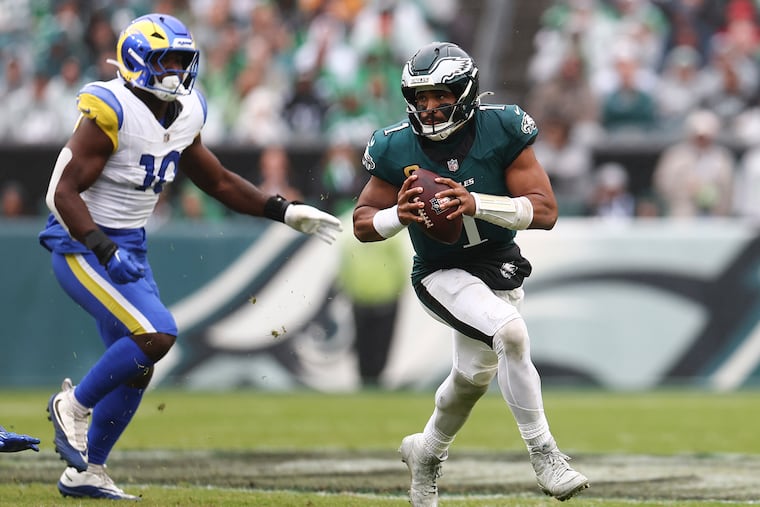
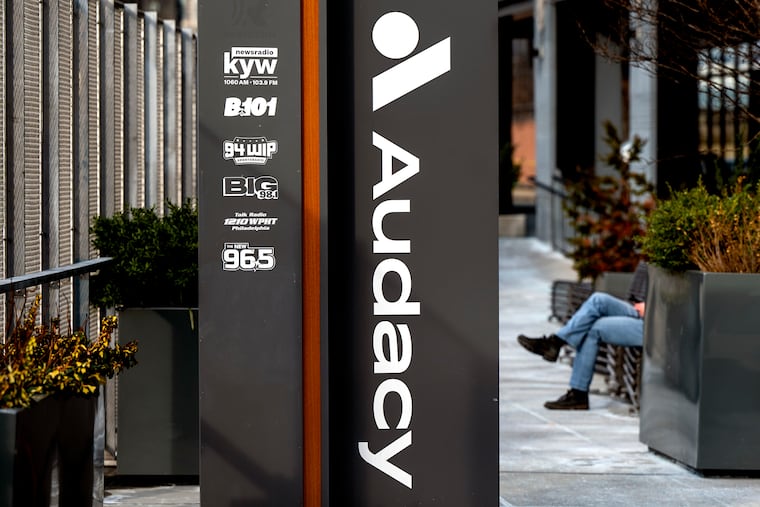
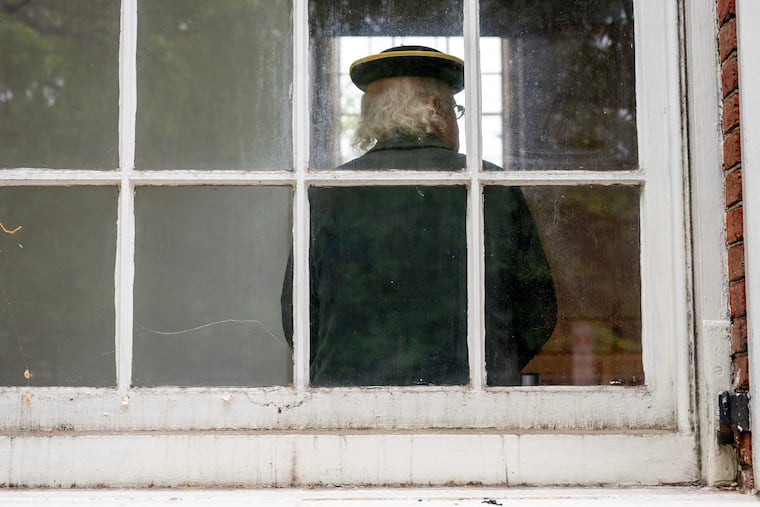
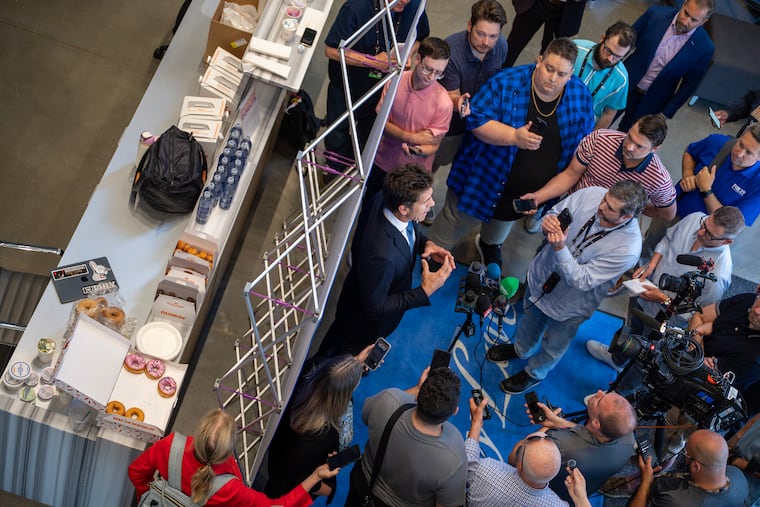
A while back, possibly while focused on a person standing behind a bank of microphones, my mind wandered and I started to think about different ways of photographing the press conference. Call it an anti-headshot.
That evolved into something I continued, collecting unconventional views of non-faces.
At some point, maybe with more press conference daydreaming, I wondered what if… Say the images ended up on an art gallery wall? A highfalutin critics might say something like “the work is a meditation on our identity and desire to be seen. Gralish turns the idea on its head (no pun intended), showing us images that conspire against the countenance, and therefore, counter the very premise of a portrait.”
If I weren’t having fun with photography I would have stopped doing it decades ago.
My “funnest” assignment this week? My colleague Peter Dobrin’s sweet story of a musical prodigy, and what it takes to get into a top music conservatory while still in elementary school.
As is often the case with businesses and institutions, the public relations department always has ideas of how to pose the picture — usually with their sign, name or logo prominent. After photographing the young pianist playing — with an extender to reach the piano’s pedals — I just watched her as we toured the conservatory.
I prefer letting things unfold in front of me, anticipating what a person might do. Sometimes it works, and sometimes it doesn’t. I wondered how Olivia would pass though the security entrance. I guessed correctly — but used too slow a shutter speed. But, my glass was still half full. I had plenty of good photos (even one that likely made Curtis happy — with their name displayed).
Having just one person to focus on is a joy, but I also love photographing when there are lots of people and lots of action at events or gathering. The difficulty for me is just dealing with the visual overstimulation. Sometimes there is just too much going on.
Over the years, I have learned how to cope. I try to find one or two people in the crowd, meet them, and let them get used to me and to being photographed. Then I watch for them throughout the rest of the time I’m there. Sometimes even arriving early.
That way, no matter how distracted I get as my head is spinning around while I keep turning to see things happening all around me and missing other photos while I write down names, I always have those first folks I can return to.
That brings me back to the photo at the very top. I had noticed officials looking out of a window of the district’s bus on its annual Back-to-School Celebration visit to schools all around Philadelphia.
But I knew I had my photo when Superintendent Tony B. Watlington Sr. (at far left in the photo) started to gather everyone together for a group photo outside the bus and the president of the principals union showed up in the window. (She then left the bus to join in the photo.)
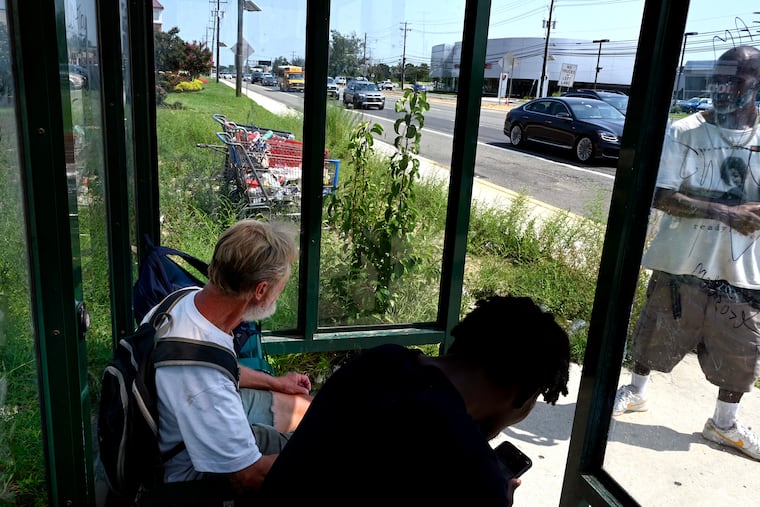
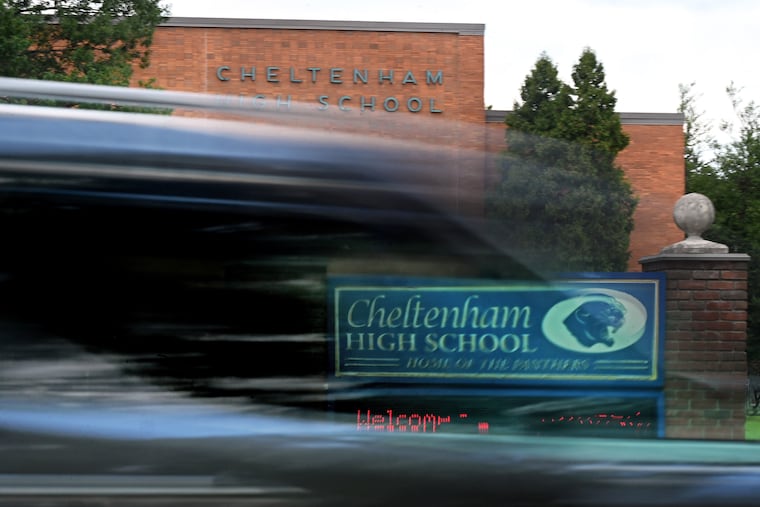
Since 1998 a black-and-white photo has appeared every Monday in staff photographer Tom Gralish’s “Scene Through the Lens” photo column in the print editions of The Inquirer’s local news section. Here are the most recent, in color:


» SEE MORE: Archived columns and Twenty years of a photo column.