Takeaways from a big primary night in Michigan, Kansas, Missouri and more
Early Wednesday morning, Rep. Haley Stevens, a moderate preferred by the Democratic establishment, and Abdul El-Sayed, a favorite of progressives, were locked in a race too close to call.
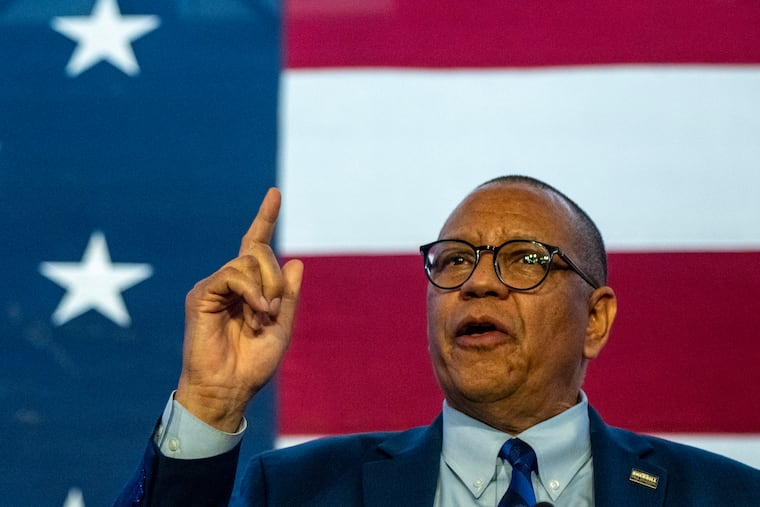
Democrats in Michigan signaled their eagerness for a new political direction as voters advanced progressive Abdul El-Sayed over Rep. Haley Stevens for a key Senate seat and two left-wing candidates in key House primaries.
The Senate race in Michigan exposed deep rifts among Democrats in how they approach Israel and money in politics, and how they deem candidates electable.
Across the country, similar ideological battles were waged with mixed results. And in two red states, voters rejected GOP-led ballot measures that would have given state legislators more power to reshape the law on key issues, including abortion.
Here’s a rundown from Tuesday’s primaries.
Michigan’s marquee race ends in win for progressives
In November, El-Sayed will face former Republican Rep. Mike Rogers, who narrowly lost his first Senate bid in 2024 and received an endorsement from President Donald Trump. Democrats will have a tougher time retaking the chamber if they lose the Michigan seat.
The primary divided the Democratic Party between progressives, who saw El-Sayed’s left-wing politics as a way to energize voters, and establishment leaders, who viewed Stevens as a stronger candidate to win over independents and Republicans.
The two candidates also personified Democrats’ struggle with Israel. Like others on the party’s left, El-Sayed called the war in Gaza a genocide and said he wanted the U.S. to end its military aid to Israel. Stevens, an Israel supporter, benefited from more than $30 million spent by the super PAC of the American Israel Public Affairs Committee. The group’s support, sometimes even rumors of it, fuels tensions as Democrats wrestle with articulating their stance on Israel without alienating voters.
Left-wing candidates win key House primaries in Michigan
In Michigan’s 7th Congressional District, voters chose a progressive over two centrist candidates in the Democratic primary. The district is among the 18 House races classified by the Cook Political Report, a nonpartisan election analysis site, as a toss-up this year.
Sunrise Movement co-founder William Lawrence defeated Bridget Brink, former U.S. ambassador to Ukraine, and Matt Maasdam, a retired Navy SEAL, and notched another big win for the surging left flank of the Democratic Party.
“Tonight the people of Michigan’s 7th district sent a clear message: they are tired of Silicon Valley billionaires and DC insiders determining the future of our towns and our country,” Lawrence said in a statement. “They want an unbought representative who isn’t afraid to stand up to leaders of both parties and fight for working people.”
Lawrence will run against incumbent Rep. Tom Barrett (R).
In Michigan’s 13th District, Rep. Shri Thanedar lost the Democratic primary contest to Donavan McKinney, a member of the Democratic Socialists of America.
Virginia Democrats choose contenders for key races
Virginia’s 2nd Congressional District is headed for a rematch between incumbent Rep. Jen Kiggans (R) and former Rep. Elaine Luria, who won a crowded Democratic primary. The district, anchored in Virginia Beach, is considered the most competitive in the state.
Luria held the seat for two terms before she lost to Kiggans in 2022. Of incumbent Republicans in Virginia, Kiggans is most in jeopardy this year as Democrats look to flip red districts narrowly won by Trump.
Incumbent Rep. Rob Wittman (R) is defending GOP territory with better odds in Virginia’s 1st Congressional District. In November, he will face Shannon Taylor, a prosecutor who won another crowded Democratic primary Tuesday.
Tom Perriello, who won the Democratic nomination in the 5th Congressional District he once represented, faces much tougher odds. Perriello will face the incumbent Rep. John McGuire (R) in a district Trump won by 12 percentage points in 2024.
A rematch sees a familiar end in Missouri
Rep. Wesley Bell again defeated former Rep. Cori Bush in the Democratic primary in Missouri’s 1st Congressional District. Bell’s win against Bush, a member of the Democratic Socialists of America, is a setback for the party’s left wing that has succeeded in defeating other incumbents.
The Missouri race assessed the power of AIPAC as it did when the duo competed in 2024. AIPAC’s spending that year made the race one of the most expensive primaries in U.S. history and helped Bell unseat Bush. The former congresswoman, an ex-member of “the Squad” of several progressive lawmakers, harshly criticized Israel over the war in Gaza before some Democrats even began to question their stance. On the night of her 2024 loss, Bush hinted at a comeback bid: “AIPAC, I’m coming to tear your kingdom down.”
The group spent about $3 million this year on lifting Bell to a second victory. He is favored to win in the solidly blue district.
Washington sets up battleground contest
On the West Coast, Washington’s most competitive district held a nine-way primary race that also featured a progressive-versus-moderate showdown among the Democrats. Washington uses an open primary system, meaning the top two vote-getters advance to the general election regardless of party.
Republican John Braun, a former state senator who had Trump’s endorsement, and the incumbent Democratic Rep. Marie Gluesenkamp Perez will compete in November. Gluesenkamp Perez, a centrist who is seeking a third term, overcame a challenge from the left by Democrat Brent Hennrich.
The district, which went for Trump in 2024, is considered a toss-up.
Voters deny GOP-led ballot measures
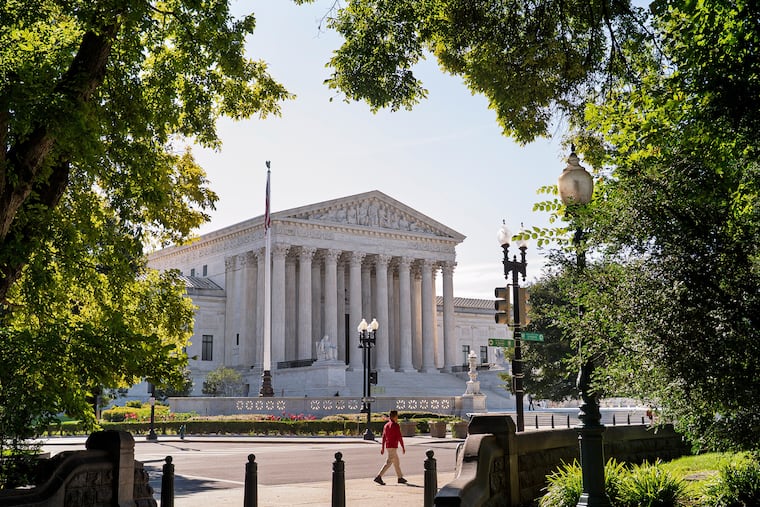
Kansans rejected an effort to start electing state Supreme Court justices, delivering a blow to Republican state lawmakers who have long been frustrated by their rulings.
For 68 years, Kansas governors have been required to appoint justices through a merit-based system. GOP legislators asked voters to scrap that system through a ballot measure that would have allowed the state to elect its justices directly. Critics viewed it as a gambit to remake the Kansas Supreme Court and enable its justices to revisit high-profile rulings that angered conservatives — including a decision that guaranteed a right to abortion.
In Missouri, voters turned down another measure pitched by GOP lawmakers that would have made it harder to pass citizen-led constitutional amendments. Voters in recent years have used such amendments to pass liberal policies, including preserving abortion access and legalizing marijuana.
The failure of both measures from Republican lawmakers in red states shows the limits in trying to persuade voters to change election rules or cede political power, even at the behest of lawmakers they may support.