The Philadelphia city worker strike cost taxpayers $5.4 million, Mayor Cherelle Parker said
The city spent almost $1.26 million per day on added costs for things like hauling trash and overtime during the DC 33 strike.

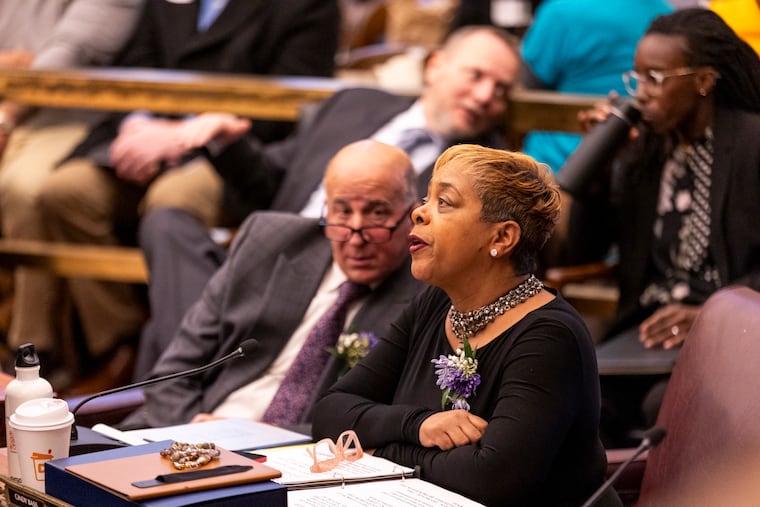
During July’s eight-day municipal worker strike, the city spent almost $1.26 million per day on added costs needed to maintain basic services, such as hiring contractors to haul trash from dump sites and paying overtime to some Water Department supervisors, Philadelphia Mayor Cherelle L. Parker announced Friday.
The total extra expenses for city taxpayers came to about $10.1 million, Parker administration officials said. But the city also saved $4.7 million in personnel costs by forgoing wages for the roughly 9,000 members of the American Federation of State, County and Municipal Employees District Council 33, which on July 1 began Philadelphia’s first municipal work stoppage in four decades.
On balance, the city incurred $5.4 million in net expenses, Parker said.
The strike was a painful — and odorous — ordeal for Philadelphia residents and a defining moment for Parker’s administration. After DC 33 leaders agreed to end the strike at 4 a.m. on July 9, the mayor largely got what she wanted: a three-year contract with $1,500 signing bonuses and annual raises of 3%, far less than the 5% per year the union was seeking when it called the work stoppage.
» READ MORE: ‘They are my people’: Mayor Cherelle Parker on why she stood firm in the DC 33 city worker strike
‘We did the best we could’
Parker emphasized Friday that her goal was to balance providing workers a fair contract with the need to protect the city’s finances.
“We did the best we could with what we had, ensuring that we could make sure that we address the concerns financially,” Parker said.
DC 33 is the largest and lowest-paid union in the city workforce, representing frontline blue-collar workers including trash collectors, street pavers, and 911 call center operators.
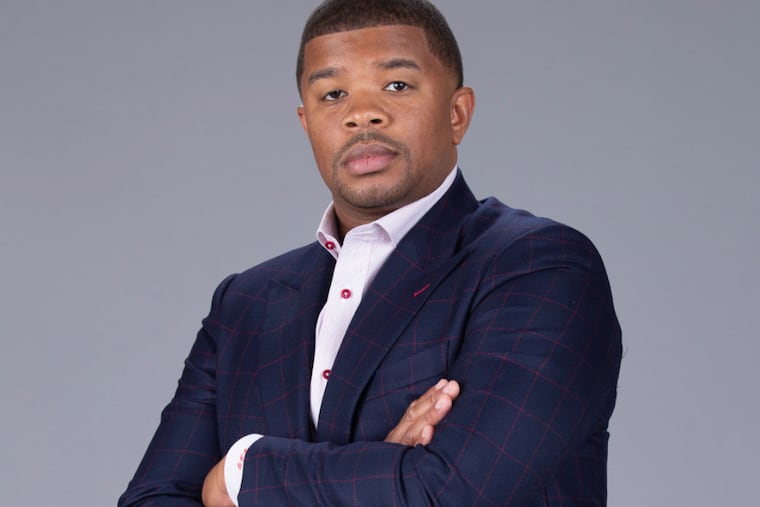
Union president Greg Boulware did not immediately respond to a request for comment.
As soon as the strike was called at 12:01 a.m. on July 1, the administration launched into action, filing court injunctions that forced some union members back to work and activating a plan to use contractors and other city employees for tasks usually performed by the striking workers.
The Parker administration’s preparedness for maintaining services during the work stoppage — and its willingness to use contractors, a controversial move for a self-described pro-union mayor — proved to be a key part of its success in outlasting DC 33. The union ultimately realized that Parker was not going to cave before the courts, and eventually ordered DC 33 members back to work to maintain public health and safety.
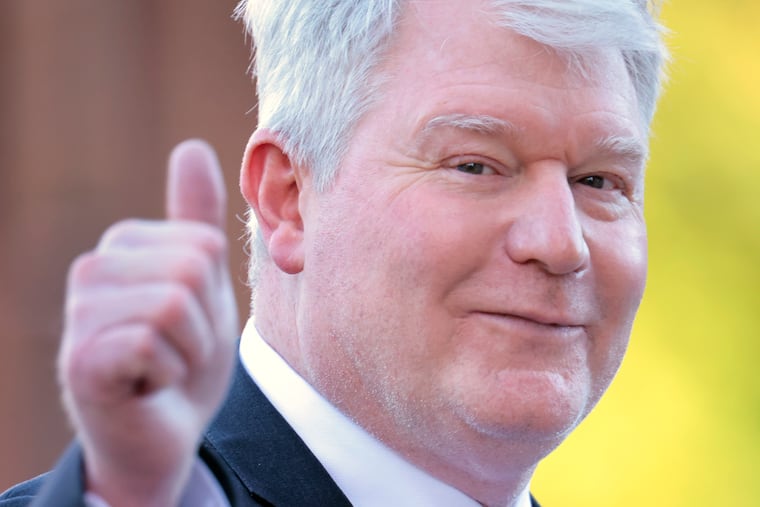
“We felt our clock was running out,” Boulware said at the time.
» READ MORE: How the AFSCME DC 33 strike exposed fault lines in Philly’s labor movement
The contract, which also included 2% raises for veteran city employees in DC 33, will cost the city $115 million in added payroll expenses over five years.
The union’s plan for 5% annual raises would have cost an additional $65 million during that period, Finance Director Rob Dubow said.
Costs pile up for trash haulers and dump sites
Critics of Parker’s aggressive approach to breaking the strike have questioned how much it cost the city to maintain functions without its largest union. The city this week began releasing documents following an open-records request submitted by The Inquirer under Pennsylvania’s Right to Know Law.
Parker said Friday she had a “duty” to maintain services for Philadelphia residents during the strike.
“I will not allow my pride, ego, emotions, or politics of any kind to interfere with my responsibility to ensure the public health and public safety of the people of this city,” Parker said. “It was my duty to ensure I employed the use of any resource readily available to me.”
City agencies like the Philadelphia Water Department canceled vacation time and used mandatory overtime to deploy supervisory staff to round-the-clock shifts at pumping stations affected by the strike. Some nonunion employees were reassigned to tasks outside their job descriptions, such as serving as crossing guards.
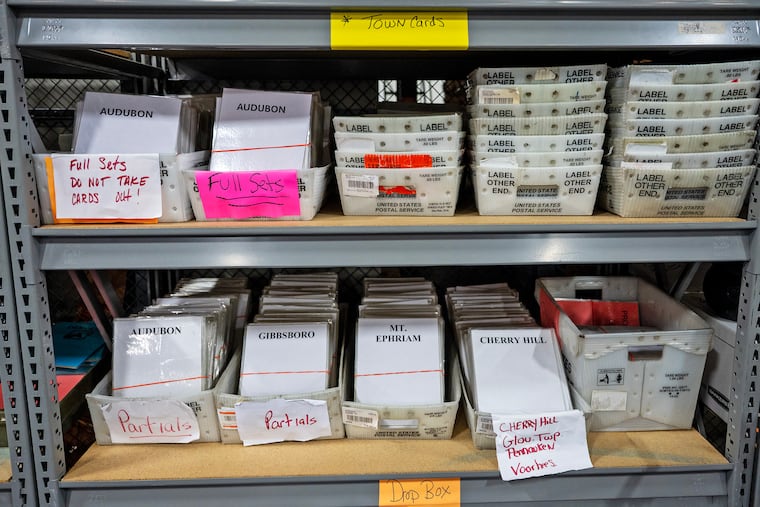
The most visible DC 33 members are the city’s sanitation workers. Residential trash collection halted as soon as the strike began, and Parker asked residents to instead drop their refuse at collection sites around the city.
The city manned those sites in part with non-DC 33 city workers, including those in the Community Life Improvement Program and Philly Future Track — a training program meant in part to help recruit future DC 33 members.
The administration then hired private companies to haul trash away from the dump sites. Carlton Williams, Parker’s director of clean and green initiatives, said the city paid $3.4 million to three haulers: Waste Management, Elliott-Lewis, and Green World. It also paid $1.2 million for heavy equipment operators and dump trucks.
During the strike, the administration accused some DC 33 members of damaging city equipment. Williams said Friday that the city paid about $78,000 to repair 155 pieces of equipment.
The records that the city has produced so far in response to The Inquirer’s documents request show invoices totaling more than $1.3 million from Waste Management and J&K Trash Removal Inc. to manage roughly 63 ad hoc dump sites. The city also bore related costs, like $525 daily charges to cover hotels, meals, and transportation for private sanitation drivers, along with tens of thousands of dollars in private security for dump sites.
The administration said it will soon release more details about how it calculated the $5.4 million net costs figure, and it has promised to produce additional documents responsive to The Inquirer’s records request.
The strike coincided with the city’s Wawa Welcome America July Fourth celebration. Headliners LL Cool J and Jazmine Sullivan both pulled out of the city’s concert on the Benjamin Franklin Parkway in solidarity with the striking workers. Parker, who attended the concert, said the strike did not create added costs for the city related to the event.
“We had two artists who were scheduled to headline our July Fourth celebration, and both of them, because of the challenges we were facing at that time, decided that they would not participate,” Parker said. “I’m happy to report that the City of Philadelphia in no way, shape, or form incurred any cost and/or lost any revenue as a result of that decision-making.”
More municipal contracts reached
Led by Chief Deputy Mayor Sinceré Harris, the Parker administration this year has negotiated new contracts with DC 33 and AFSMCE District Council 47, which represents the city’s white-collar workers, such as professionals and supervisors.
The city has also reached a new contract with the Fraternal Order of Police Lodge 5 through interest arbitration, the process for determining contracts with public safety unions that are prohibited from striking.
Parker on Friday announced two more arbitration awards for unions representing court employees.
Labor deals for three more municipal unions, all of which will be decided through arbitration, remain on Parker’s agenda this year: the International Association of Fire Fighters Local 22, an AFSCME local representing prison guards, and an FOP local representing sheriff’s deputies and row office employees.

The Inquirer’s journalism is supported, in part, by the Lenfest Institute for Journalism and readers like you. News and editorial content are created independently of The Inquirer’s donors. Gifts to support The Inquirer’s high-impact journalism can be made at inquirer.com/donate. A list of Lenfest Institute donors can be found at lenfestinstitute.org/supporters.