Housing preservation and affordability | Real Estate Newsletter
And businesses buying homes.
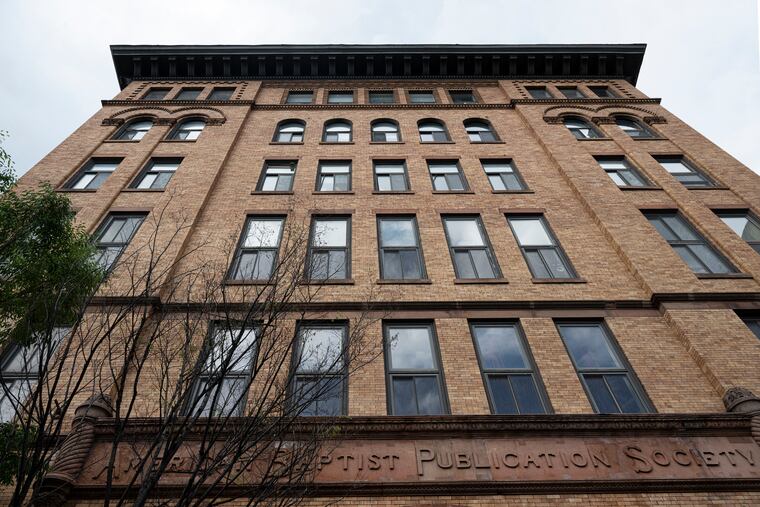
These days, historic preservationists are clashing not only with developers but also homeowners and pro-housing groups.
For years, the Preservation Alliance for Greater Philadelphia has heard the same arguments: Preservation is a barrier to development. It reduces density. It restricts the housing supply.
The Preservation Alliance didn’t think that was true. To find out, it recently commissioned its most comprehensive study of historic preservation’s effects on the city’s economy and housing.
And the results push back on some familiar beliefs about historic preservation.
Keep scrolling for that story and more in this week’s edition:
Corporate landlords: Learn what researchers discovered in a new study about investor activity in Philly.
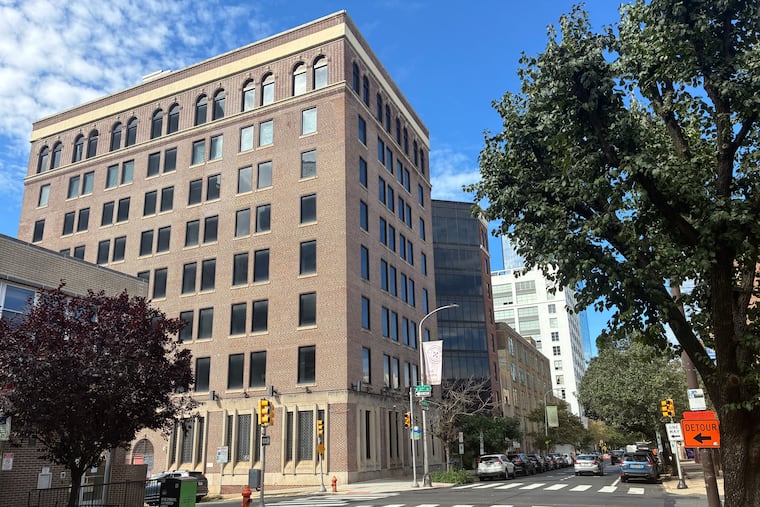
Tower transformation: Find out what a developer is planning to do with a building on North Broad Street that’s been vacant for years.
New way to pay: See what’s unique about listings for two of New Jersey’s most expensive homes on the market.
Antique chic: Peek inside this apartment in a Victorian rowhouse in Fitler Square.
📮Do you have a piece of furniture, artwork, or something else in your home that’s been passed around in your family? Email me and share your family heirlooms.
— Michaelle Bond
If someone forwarded you this email, sign up for free here.
Billions of dollars have been spent on historic rehabilitation projects in Philly.
A recent study commissioned by the Preservation Alliance found that preservation of the city’s older properties:
protects housing affordability
drives investment
preserves housing density
supports population growth
The study was done by a Washington-based firm that does this kind of work in cities across the country.
The analysis focused on the preservation of older buildings in general and not on one of the often-controversial tools used to protect them from the wrecking ball: historic designation.
5th Square, a Philly-based urbanist group, said it’s all for rehabilitating older buildings. But it’s concerned about the growing number of historic districts and the costs for households and small businesses to follow the city’s preservation rules.
Keep reading for takeaways from the Preservation Alliance’s report, including how much of the city is now historically designated.
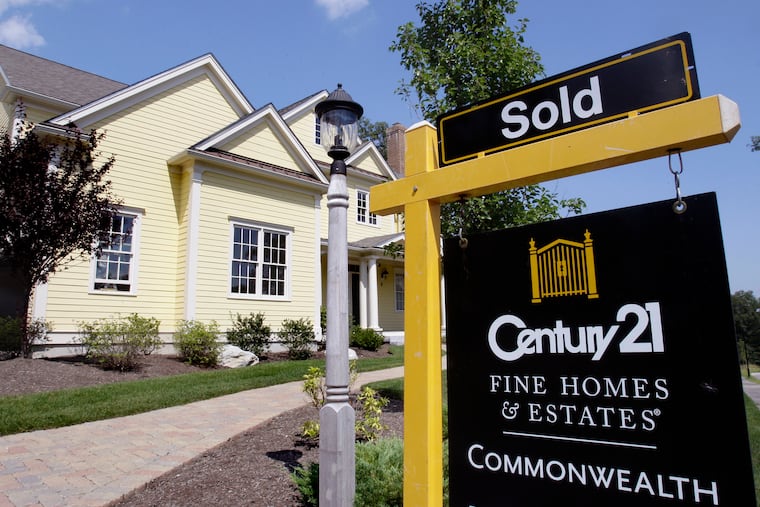
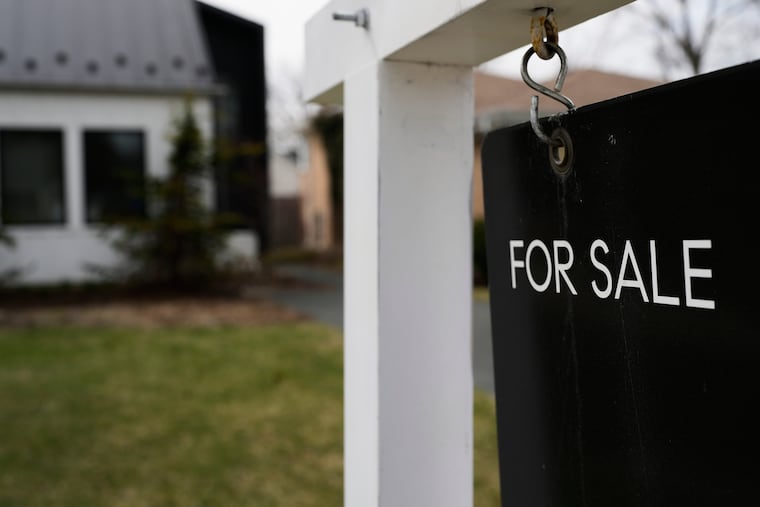
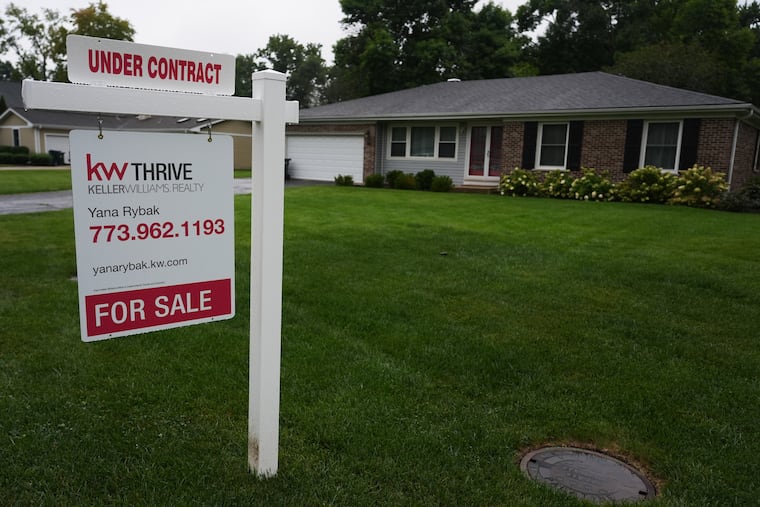
Corporations bought one in four homes sold in Philly from 2017 to 2022, according to a new report.
Most corporate buyers are keeping the properties to rent, say researchers at the Philly-based Reinvestment Fund and Rutgers Law School in Newark.
Smaller investors are buying most of the properties purchased by corporations. But researchers have seen an increase in larger corporate landlords.
Investors compete with low-income homebuyers. They’re more likely to pay with cash and less likely to be denied mortgages. They sometimes pursue properties before they hit the market.
Keep reading to learn more about how investors are operating in Philadelphia and where they’re buying the most homes.
The latest news to pay attention to
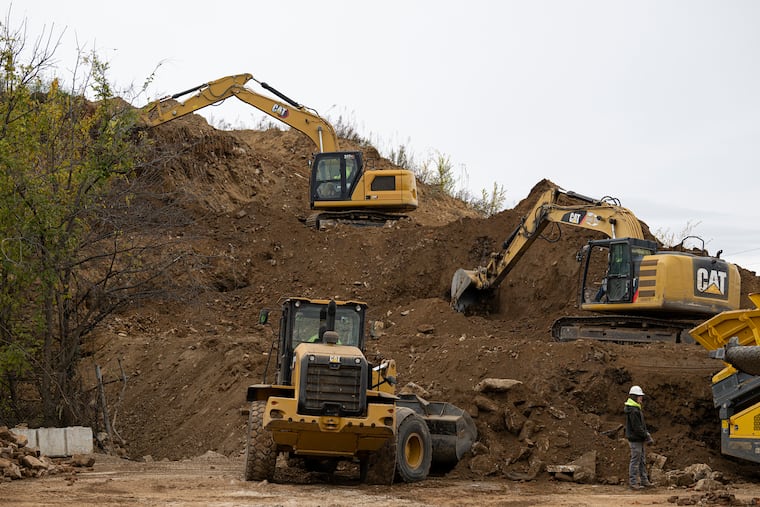
A garage on North Broad Street that’s been vacant for years will be turned into apartments and a restaurant.
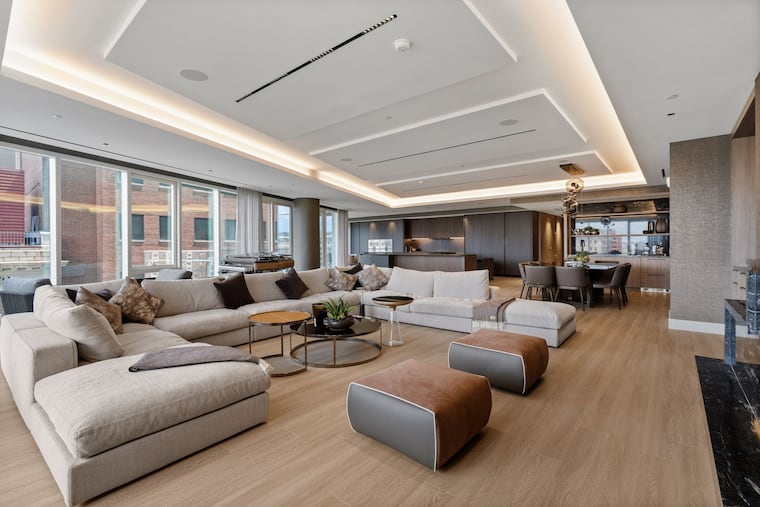
New Jersey’s two most expensive homes on the public market are now accepting offers in cryptocurrency.
Homebuyers used this trick to act fast on a rancher in Collingswood.
Why Delaware County’s council race is focused around rising property taxes.
After 101 years, a South Jersey VFW has been put up for sale.
Philadelphia has seen an unusual number of proposals for stand-alone parking garages this year.
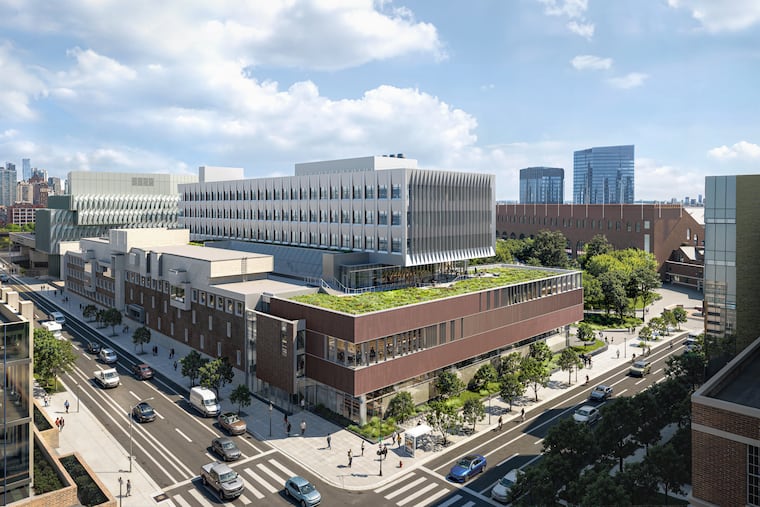
A city lawmaker is pushing for a controversial bill that would add more red tape for university land sales in West Philly.
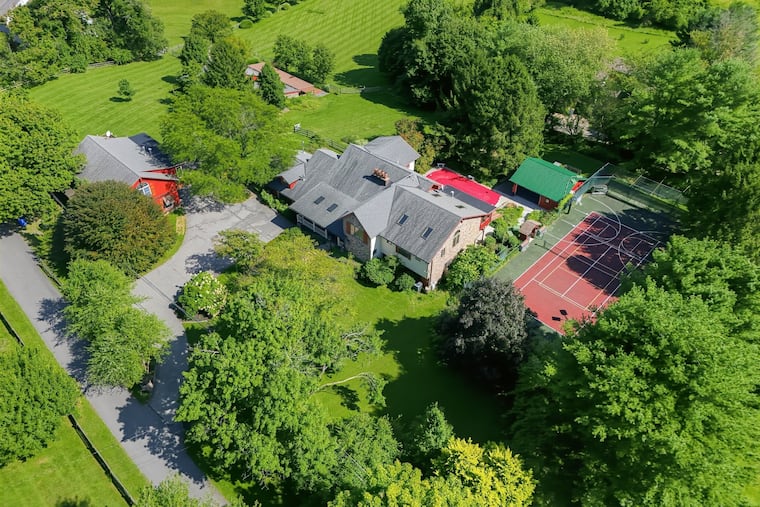
House of the week: For $799,900 in Washington Square West, a historically designated rowhouse with a private brick patio.
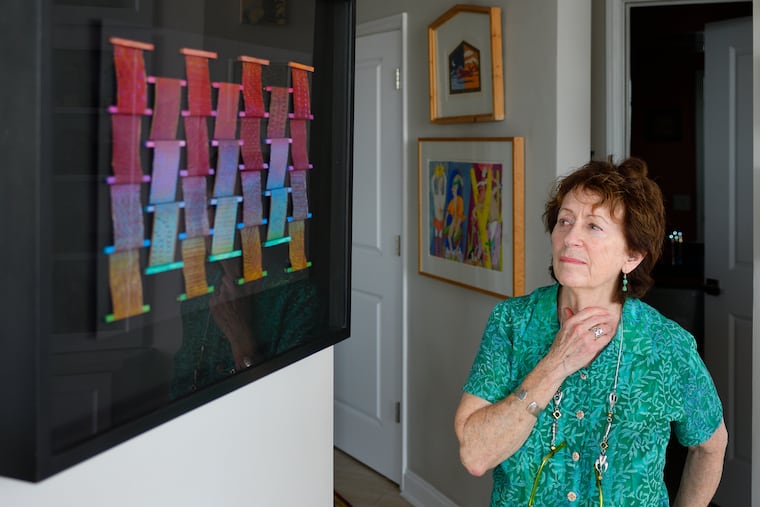
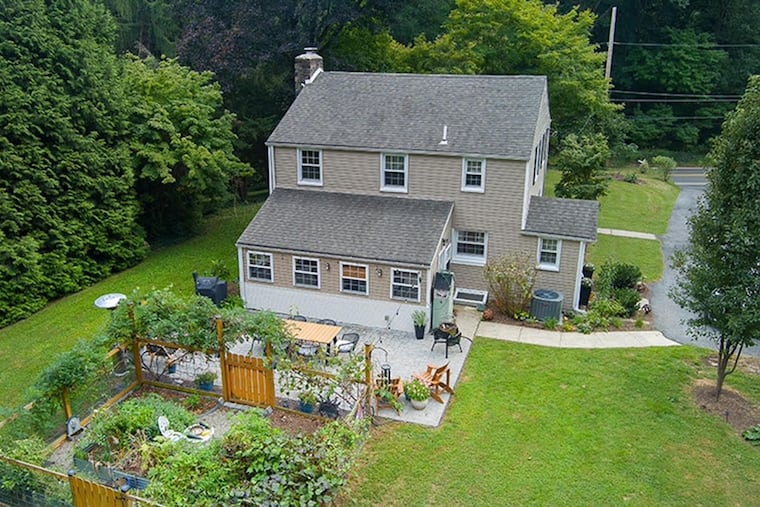
Natalie LaBossier got her love of antiquing and thrifting from her mom. And that inherited passion shows throughout her apartment in a Victorian rowhouse in Fitler Square.
From an antique store in Fishtown, LaBossier picked up a mid-century modern mahogany cabinet that holds a radio and record turntable and also doubles as a TV stand.
Fruit plates that once belonged to her great-grandmother hang on a wall.
Ceramic vegetable-shaped measuring cups came from a thrift store in Queen Village. And she recently got a French Empire settee from a thrift store in Kensington.
Peek inside LaBossier’s home to see where the pediatric resident likes to throw dinner parties and check out the Victorian rowhouse’s original features.
📷 Photo quiz
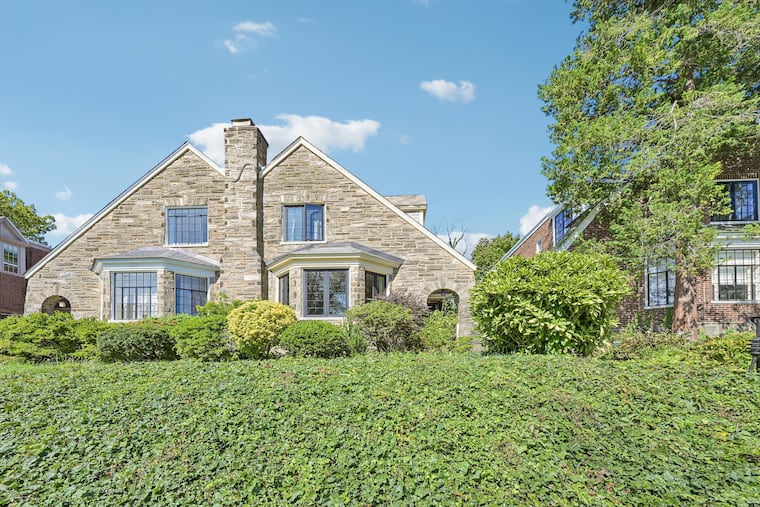
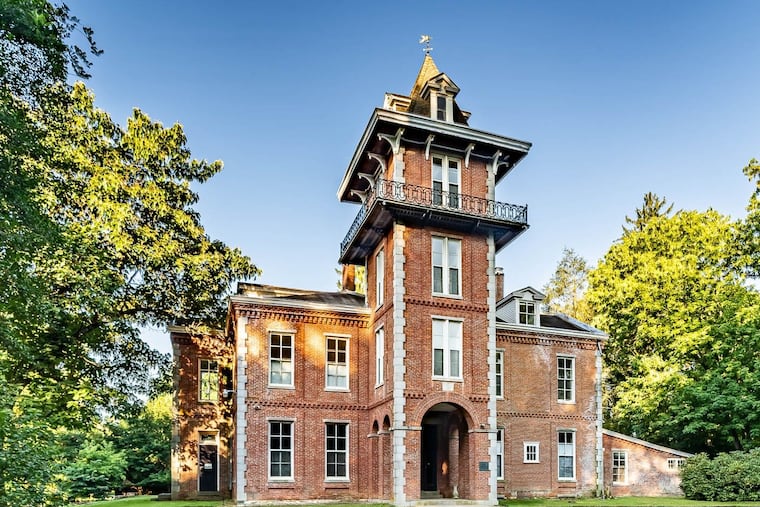
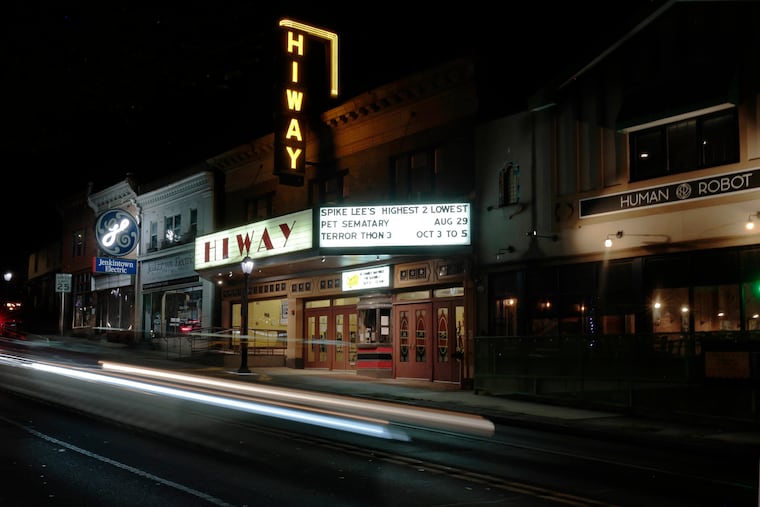
Do you know the location this photo shows?
📮 If you think you do, email me back.
Last week’s quiz featured a photo of the former Painted Bride Art Center building on Vine Street in Old City.
It’s decked out in a mosaic mural created by Isaiah Zagar called “Skin of the Bride.” For now.
Shout-out to Joe G. for getting that right.
―
Do you have a home phone? My mom still has hers, and it’s now the only landline number I have memorized.
I thought I’d deleted all my middle-school friends’ parents’ home numbers from my cell, but I just found one. I don’t know what would happen if I called it.
People with home phones are in the minority now. But my colleague Erin McCarthy talked to some Philly-area folks who are among the small but growing number of U.S. families that are interested in landline-esque phones. They see them as an alternative to smartphones, especially for their kids.
Reminisce (or feel smug that you still have your home phone) and enjoy the rest of your week.
By submitting your written, visual, and/or audio contributions, you agree to The Inquirer’s Terms of Use, including the grant of rights in Section 10.