LeBron James is partnering with Polymarket. The prediction markets can raise ethical concerns.
The NBA legend joins a growing list of athletes who have partnered with or invested in prediction markets.
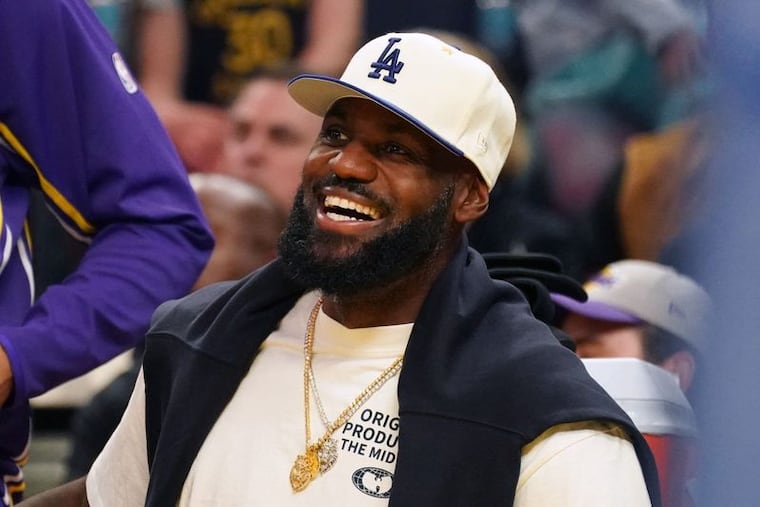
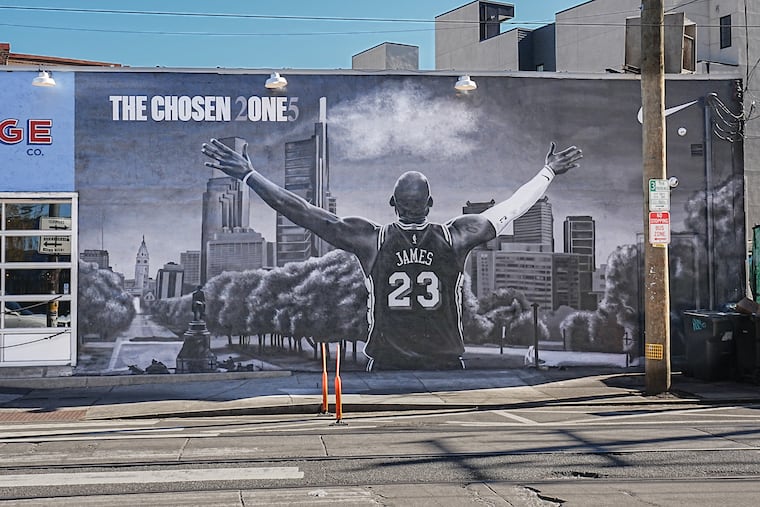
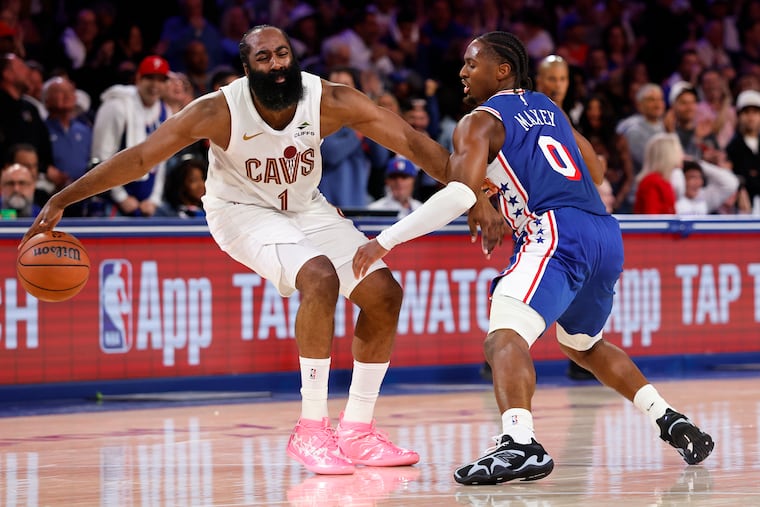
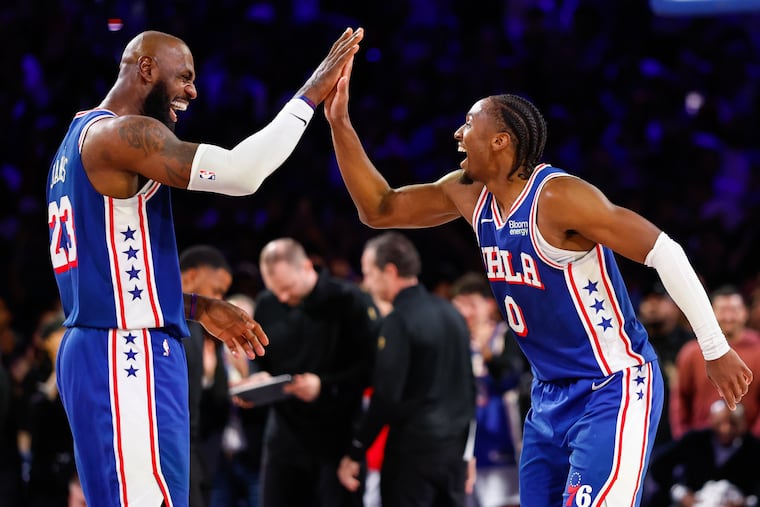
Where LeBron James would choose to play the final years of his storied career was a fixture on prediction markets this summer. Now, James could benefit from the boom of those platforms.
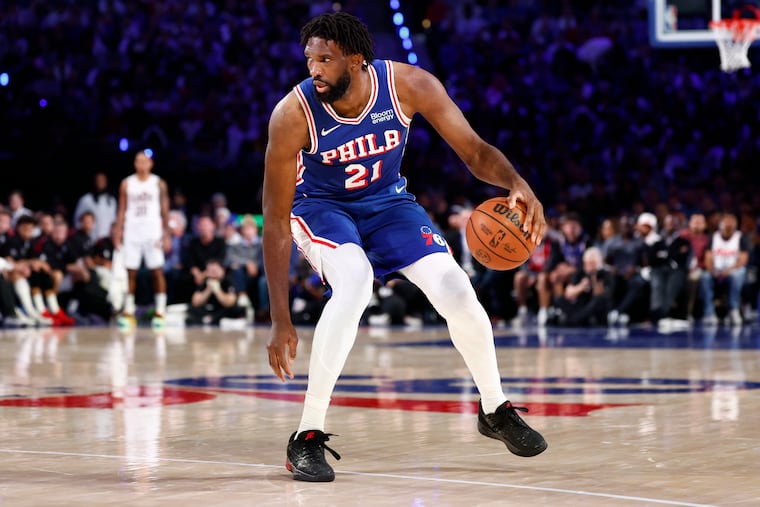
On Saturday, James shared a short video on social media announcing a partnership with the prediction platform Polymarket. The Sixer then posted a longer commercial-ready version of the video Tuesday, in which James visits Polymarket’s fictional headquarters and its “sports” floor.
In his tour around the office, Eli Manning, Derek Jeter, Spike Lee, Sue Bird, Emily Ratajkowski, John Leguizamo, and other athletes and celebrities make cameos promoting the platform ahead of football season.
It is unclear what the nature of James’ partnership with Polymarket is, or if the partnership extends beyond this commercial. Polymarket did not respond to questions about James’ partnership.
James’ partnership raises ethical questions about whether an active athlete should be promoting and benefiting from gambling platforms, and particularly prediction markets, where inside information and influence could sway bets or determine their outcomes.
Polymarket and other prediction markets typically have rules prohibiting insider trading and are regulated by the Commodity Futures Trading Commission. The NBA has no policy against its athletes partnering with prediction markets, and is likely to join other leagues by announcing its own official prediction market partnerships before the start of the forthcoming season, as reported by Front Office Sports.
Prediction markets vs. traditional gambling
Polymarket and other prediction markets argue they are distinct from traditional sports gambling platforms because there is no “house” that sets odds and stands opposite gamblers. Instead, bets are agreements between individuals and the market sets the odds. But in practice, prediction markets function similarly to sportsbooks, with even more opportunities to wager money.
Prediction markets offer opportunities that go beyond traditional bets on wins and stats, like which teams won’t win the Super Bowl, which team a free agent player might sign with, or whether a quarterback will average a certain number of fantasy football points over the season. The bets are phrased as binary, yes-or-no outcomes.
Prediction market offerings extend beyond sports, bringing even more ethical questions — at any moment someone can bet on whether a public figure will say a particular word during a speech, when traffic in the Strait of Hormuz will return to normal levels, or the number of confirmed measles cases in the United States in 2026. Last month, several Democratic senators wrote a letter to the Commodity Futures Trading Commission demanding it stop allowing bets on California wildfires.
“Prediction markets have been enabled to expand rapidly, increasingly inviting speculation on war, political violence, disasters, and public emergencies that raise ethical and public policy concerns. These markets risk creating perverse incentives, undermining public trust and commodifying human suffering,” they wrote.
A U.S. Special Forces soldier was arrested in April after authorities said he made more than $400,000 using insider information to place Polymarket bets on the military’s raid capturing Venezuela’s president, Nicolás Maduro.
Athletes are typically prohibited from placing traditional bets on their own leagues, but the rules on prediction markets are less defined. A few months ago, the NBA, MLB, and their players unions sent a letter to the Commodity Futures Trading Commission asking it to bar athletes and league employees from betting on the NBA and MLB in prediction markets.
The gray areas of legality and ethics around sports gambling are how Phillies All-Star Bryce Harper became the center of controversy this summer, after The Inquirer reported that Harper had sent a personalized video on behalf of the sports betting platform FanDuel to a man who had become addicted to gambling.
Harper later said he did not have a partnership with FanDuel, and was not aware what the video was being used for or that it was going to someone with a gambling addiction.
More partnerships on the way?
Despite the ethical issues, partnerships between athletes and prediction markets appear to be growing. James seems to be the only active athlete partnered with Polymarket, but other major athletes — including soccer star Lionel Messi — have deals with a competitor, Kalshi, or have invested in the platform.
Elsewhere in the NBA, Giannis Antetokounmpo announced he had become a Kalshi shareholder in February, just after the NBA trade deadline, when Antetokounmpo had been the subject of numerous trade rumors attracting bets on prediction platforms. On deadline day, Antetokounmpo tweeted a clip from The Wolf of Wall Street to happily announce he was not leaving the Milwaukee Bucks, but over the summer, he successfully pushed for a trade to the Miami Heat.
Bettors on Kalshi reportedly traded more than $23 million over Antetokounmpo’s future during the deadline betting window.
“One of the things in terms of the ethical issues [of the partnership] is the timing,” Melinda Roth, a professor of business, finance, and sports law at Washington and Lee University, told Fortune magazine of Antetokounmpo’s investment. “The timing really puts a spotlight on how prediction markets work, who is allowed to buy contracts, and who has inside information.”
Yet the future of prediction markets is somewhat unclear. They have the backing of President Donald Trump’s administration. Meanwhile, some states are attempting to wrest regulatory control back from the federal government, and the issue may soon come before the U.S. Supreme Court.
But the direct ties between prediction markets with athletes are not necessarily inevitable — the NFL and PGA Tour prohibit their players from partnering with prediction markets.
Only a few years ago, James took a much different stance on sports gambling, saying the practice was taking the integrity out of sports.
“It’s weird that some of our regular fans that love the game kind of only care about a parlay now. … It’s kind of taken some of the integrity out of the game because people are kind of really only caring about the betting,” he told the Los Angeles Times in 2023.
A year later, James signed an endorsement deal with the sports betting platform DraftKings, promoting wagers during football season in a series of commercials alongside Kevin Hart.