How should you prepare your home for winter? A plumbing instructor weighs in.
A few simple steps can get your home ready for freezing temperatures, and you should take them sooner rather than later.
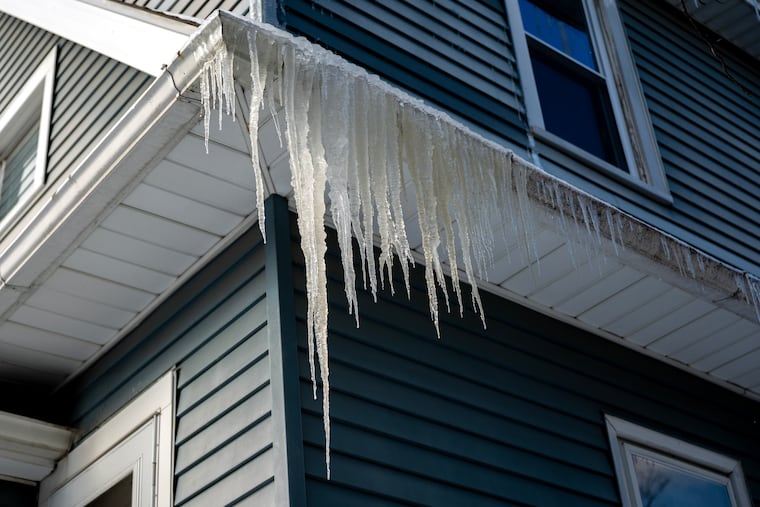
As Philadelphia’s foliage turns auburn and yellow and jack-o’-lanterns adorn walkways across the region, another seasonal ritual is on the horizon: preparing your home for winter.
Though the task of winterizing a home can seem daunting, Nathan Simcox, a certified Philadelphia master plumber and electrician and a plumbing instructor at Delaware County Community College, said that a few simple, affordable fixes can set you up for success.
Here is Simcox’s advice on preparing for winter as the clock ticks down to the first freeze.
How should homeowners prepare their pipes for winter?
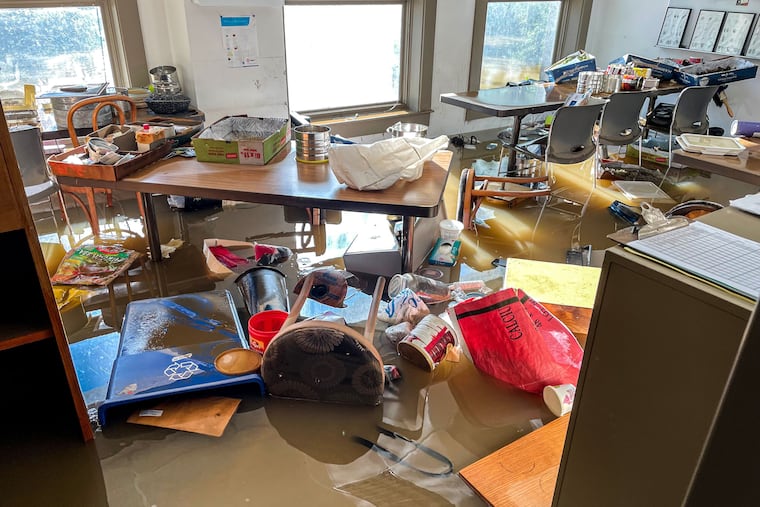
Cold winter temperatures can pose a risk for homes, as freezing water left in pipes can expand, causing them to burst and flood.
One of the most important ways to prevent frozen pipes, Simcox said, is by disconnecting and draining any outdoor water valves.
“Go outside, unhook the hose from the hose connection, disconnect it, go inside, turn the valve off to the hose connection, and then on the outside, open the hose connection,” he said.
Disconnecting hoses is “critically important,” Simcox said, because if a hose is still attached to an outdoor water supply, it will not drain and could freeze. He also recommends using outdoor faucet covers, which can prevent freezing and are easy to find at a hardware store.
In addition to shutting off outdoor water sources, Simcox said, it is important to protect pipes that could be affected by freezing temperatures, especially those that run through uninsulated crawl spaces or along exterior walls.
“Any areas that there’s air infiltration in the house or crawl space, you want to close those up,” Simcox said. “Whether you use spray foam or even a little bit of caulk for certain gaps, just a little bit goes a long way.”
If plugging holes that bring in cold air won’t cut it, you can also use a heat line, or a heater that can be strapped to a pipe that turns on automatically in below-freezing temperatures.
Simcox cautions people against jumping to the most complex and expensive options when a little bit of spray foam or the proper draining of an outdoor water line can do the trick.
“Do the cheap, easy stuff first, and do it now,” he said.
When is the best time to winterize your home?
There’s no time like the present.
Simcox recommends homeowners get their winterizing out of the way before Halloween. While Philadelphia might not freeze for another few weeks, Simcox said he often hears from people who lose track of time with holidays, work, and family life, and don’t remember to take care of their pipes until it is too late.
When might the first freeze be?
The median first freeze date at Philadelphia International Airport is Nov. 10, according to Alex Staarmann, a National Weather Service meteorologist.
The airport, however, can run warmer than the rest of the region. In the suburbs and other parts of the city, Staarmann said, the first freeze of the season usually happens closer to the last week of October or first week of November.
When should you call a plumber?
Any time there is pipe damage or an active water leak, Simcox said, it is time to call a plumber.
However, the plumbing instructor said, lots of small-scale fixes can be done by non-plumbers with the right training.
Simcox teaches a noncredit plumbing course at Delaware County Community College designed for everyday homeowners and renters looking to learn some DIY plumbing skills. Students learn how to winterize their home, change faucets, and work on toilets.
“Usually, the more somebody learns, the more money they can save,” he said, adding that, while he may be biased, he thinks it is a “very fun” class.
The bottom line? A few simple steps can prepare your home for winter, and you should take them sooner rather than later.