Abington police end Flock surveillance network contracts after thousands of the department’s searches leaked
Department officials cited issues with data security and privacy and are seeking a replacement for the surveillance network.
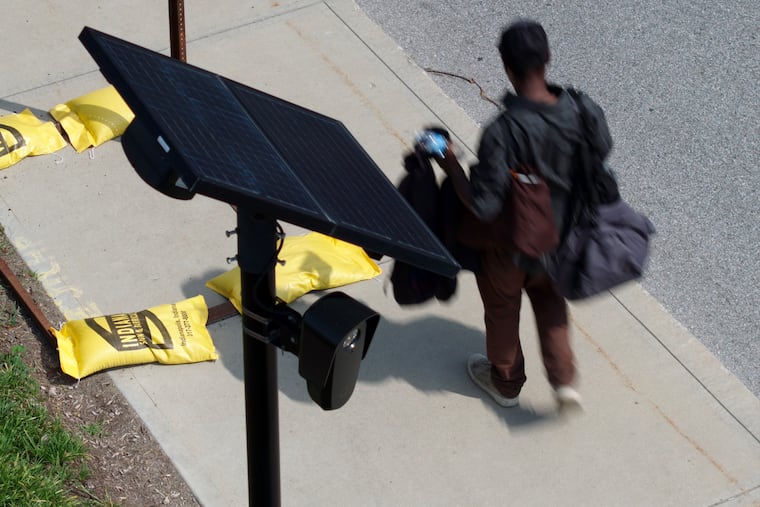
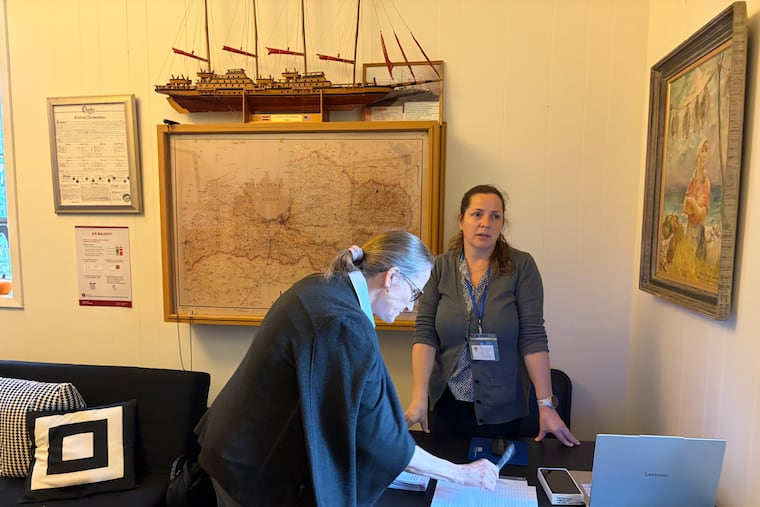
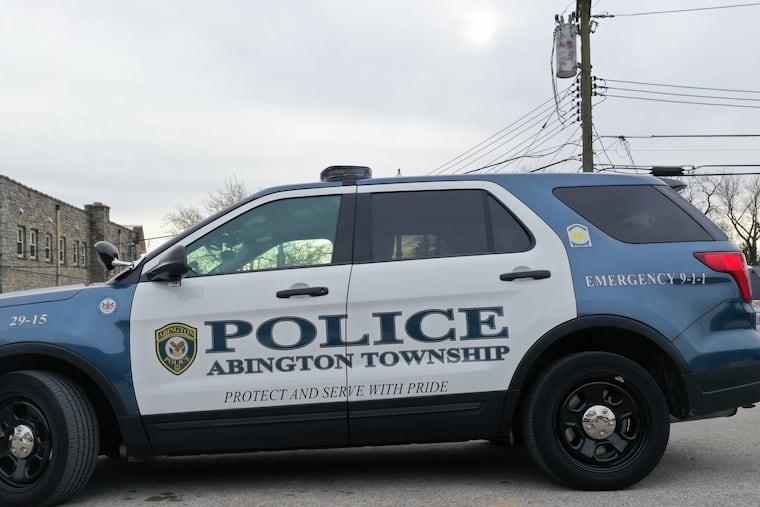
The Abington Township Police Department is ending its contracts with the fast-growing surveillance start-up Flock Safety over data security concerns, officials said this week.
“We’re sensitive to the issues surrounding Flock,” Lt. Joe Blei said, but the cameras also “bring a lot of value to what we do.”
The suburban police department is seeking a supplier to replace Flock, a network of private and public surveillance cameras that log the license plates and other vehicle features, like bumper stickers, of every car that passes them.
Abington has one permanent Flock camera up in the township and a few cameras the department keeps at the station and deploys as needed, Deputy Chief Ed Quinn said.
One of the department’s two contracts expired this month, and Abington will let the second contract expire in February 2028.
The contract expiring this month cost the township $9,225 per year for two years, Blei said, and the three-year contract ending in 2028 costs $10,500 annually.
The department is currently negotiating with other vendors to replace Flock, Blei said Wednesday, and a future contract would need approval from the township commissioners.
Abington concerned about Flock camera data
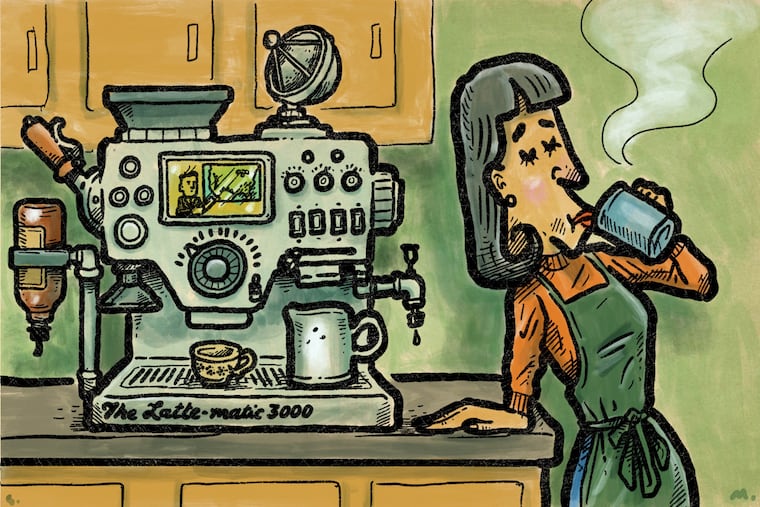
Flock has raised privacy concerns with civil liberties groups because the network captures every vehicle that passes its cameras, and police can access data from cameras outside their jurisdiction.
The network also uses artificial intelligence to identify cars that frequently drive together, and allows officers to search for vehicles by behavior, rather than plate number.
Officers in other states have been accused of using Flock to track romantic interests.
Unredacted search logs have also been released to the public through information requests and data leaks.
Thousands of Abington search records leaked
Thousands of Abington’s searches have appeared in public data dumps on sites like HaveIBeenFlocked.com, which is sponsored by the nonprofit Alternative Newsweekly Foundation, and 404 Media, which reported on a large dataset that anonymous researchers gleaned from a records request to Danville, Ill., police.
Searches from other local departments, including Cheltenham, appear in some of the same datasets. Lt. Joseph O’Neill said Cheltenham has no contracts with Flock, but can access the national network through subscriptions held by businesses in the township with their permission for investigations.
Though Abington’s Flock search logs are legally available through Right-to-Know requests, details of criminal investigations would normally be redacted.
“We don’t want anybody’s personal data getting out into the public without their knowledge or permission,” Blei said. “The privacy concerns of American citizens are also of concern to us.”
Abington has guardrails and oversight in place to prevent officers from misusing the cameras, Blei said.
How Abington police use Flock cameras
The network-connected cameras have been credited with tracking cross-county crime in Pennsylvania.
Last year, a Berks County township’s camera flagged a stolen Bucks County license plate on a vehicle that was tied to a Montgomery County bank robbery.
“They still are a great investigative tool,” Quinn said. “We can link together crimes we wouldn’t otherwise have known were linked.”
That includes stalking and missing persons cases, Blei and Quinn said.
“We have multiple cases of violent crime — shootings, armed robberies,” Quinn said. “It’s helped us make arrests.”
All Abington officers who search Flock data have their own ID, Blei said. Flock keeps logs of officers’ searches that the department can audit as needed, though the department does not have a set schedule for auditing searches. Abington officers can search the cameras only for specific investigative purposes, Quinn and Blei said.
Other police departments nationwide with Flock contracts also had access to Abington’s Flock cameras, the officers said, but the department no longer approves those requests now that it has become aware of the data risks.
Abington does not have agreements in place with businesses to access private Flock cameras, Quinn said.
The department approves access only for criminal investigations, Blei said, and would not allow access for civil matters, such as an immigration-related request from the Department of Homeland Security.

Inquirer Greater Abington
This suburban content is produced with support from the Leslie Miller and Richard Worley Foundation and The Lenfest Institute for Journalism. Editorial content is created independently of the project donors. Gifts to support The Inquirer’s high-impact journalism can be made at inquirer.com/donate. A list of Lenfest Institute donors can be found at lenfestinstitute.org/supporters.