Florida voted to cut property taxes. Cities are already feeling the pain
Across Florida, local governments are starting to cut services and funding as they prepare for the loss of property tax revenue under Amendment 3.
Every Thursday, about 100 families stop by the Mattie Williams Neighborhood Family Center’s food pantry to pick up milk, cereal, eggs, and other free groceries.
The pantry has served Safety Harbor, a small coastal community near Tampa, since the mid-1990s. Local families count on it.
Heading into the holidays, however, the center said it expects to have less to offer them, because of a constitutional amendment passed by voters Nov. 3.
The nonprofit — which provides year-round support to local low-income and struggling families — was due to receive $60,000 in grant funding that Safety Harbor budgeted for the center this fiscal year, including $12,000 for the food pantry. But after Florida’s Amendment 3 passed, city commissioners voted to suspend funding for all outside agencies, including the center.
“It’s a struggle,” said Janet Hooper, who works on community engagement for the center. “There will be a significant reduction in what we can give to people.”
Across Florida, local governments are starting to cut services and funding as they prepare for the loss of property tax revenue under Amendment 3.
The constitutional amendment, referred to voters by the legislature, expands homestead property tax exemptions and will dramatically cut revenue to local governments. Cities and counties face the major budget pressures that critics of the amendment had warned about. State economists project it will reduce local government revenue by $12 billion annually.
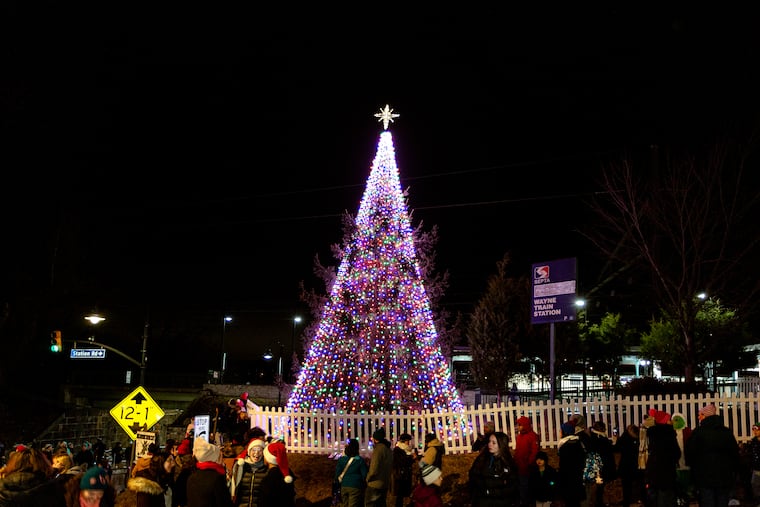
In Safety Harbor, commissioners voted Nov. 17 on an immediate cost-cutting plan, which included reducing library and recreation hours, implementing hiring freezes. and suspending outside-agency funding. (The plan included canceling the city’s holiday parade, but commissioners voted to preserve its funding after residents objected.)
Mayor Joe Ayoub told the Washington Post that while the city doesn’t expect to lose revenue under Amendment 3 until the fiscal year ending in 2028, “given how much we will be impacted, we felt it prudent to start making cuts now.”
For the Mattie Williams Center, this means it will no longer be able to help families pay overdue water and electric bills. The pantry will likely have about 20% less food to give out for the rest of the year, Hooper said.
A donation from a local ministry covered Thanksgiving, but Hooper said the staff is “scrambling” to figure out how to help families through Christmas and into the new year. That includes finding support for the center’s annual toy and gift drive.
Hooper hopes people will feel generous enough this holiday season to help cover some of the city’s lost funding.
“The good news is that Christmas is about giving, and a lot of people see that as an opportunity to bless people who are less fortunate than them,” she said. “So we’re hopeful that that will make up some of it.”
In nearby St. Pete Beach, commissioners voted Nov. 17 to end funding for their share of the Suncoast Beach Trolley, a transit route that connects the city with downtown Clearwater and Clearwater Beach. The Pinellas Suncoast Transit Authority said the trolley would likely stop serving St. Pete Beach in February after 25 years, pending board approval.
In a statement to the Post, the city acknowledged that riders rely on the service, but said ending its contribution would save about $242,000 annually as it prepares for Amendment 3’s effects on its budget.
“This was not a decision made lightly,” the statement reads. “However, as a City, we have a responsibility to continually evaluate our expenditures and ensure that taxpayer dollars are being used as effectively and responsibly as possible.”
In Deltona, near Orlando, City Manager Doc Dougherty announced on Nov. 18 “with a heavy heart” in a letter to residents that the city would cancel most upcoming events, including its Christmas parade.
Deltona Commissioner Brandy White told the Post on Monday that Dougherty had made the decision without discussing it with commissioners.
“Cuts and reductions are necessary,” White said, “but this decision was not necessary at this time, in my opinion.” She thinks the city could have cut commissioners’ discretionary funds and travel expenses first.
“I hope moving forward, the ability to use critical thinking skills occur before emotion-based thinking prevails,” she said.
Hours later, the city reinstated the parade after community groups offered to help. The fate of the other city events remains unclear. Dougherty did not respond to requests for comment.
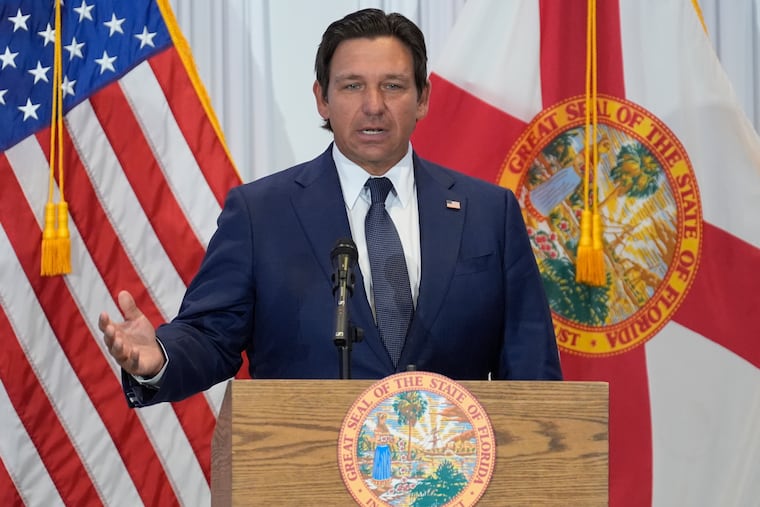
As local governments throughout the state began announcing cuts, Gov. Ron DeSantis (R), who backed the amendment, warned of “malicious compliance,” suggesting some officials would single out highly visible services for cuts to make political points. His comments sparked widespread debate online.
In Safety Harbor’s case, Hooper said the city could have started with smaller cuts. But she also took issue with the governor’s characterization.
“The governor is trying to defend an idea that is having a negative impact on cities by blaming them for tightening their budgets,” she said.
Other local governments are still weighing which services to cut.
In Sumter County, officials told the Post they are still considering options they drew up before the election, including closing a fire station, a library, a health department site, and a park.
In Pinellas County, which contains St. Petersburg and Clearwater, some riders with disabilities who pay $9 for a round trip could pay $24 under a proposal to scale back a countywide ride program. In the beach town of Dunedin, officials are considering closing the library on Saturdays, temporarily shutting the aquatic complex, and eliminating music programs and summer camps beginning Jan. 1.
Hooper thinks some voters might be surprised by what the tax cut means for their communities.
“What people are going to see is not what they expected,” she said.