Trump administration plans to gut clean car rules
U.S. carmakers that delay EV development could be left at a significant disadvantage to foreign rivals in the coming years as EV sales grow rapidly around the world.
WASHINGTON — The Trump administration will move Monday to sharply scale back fuel-efficiency rules for new cars and light trucks, gutting one of the government’s most significant efforts to reduce gasoline consumption and speed the country’s shift to electric vehicles.
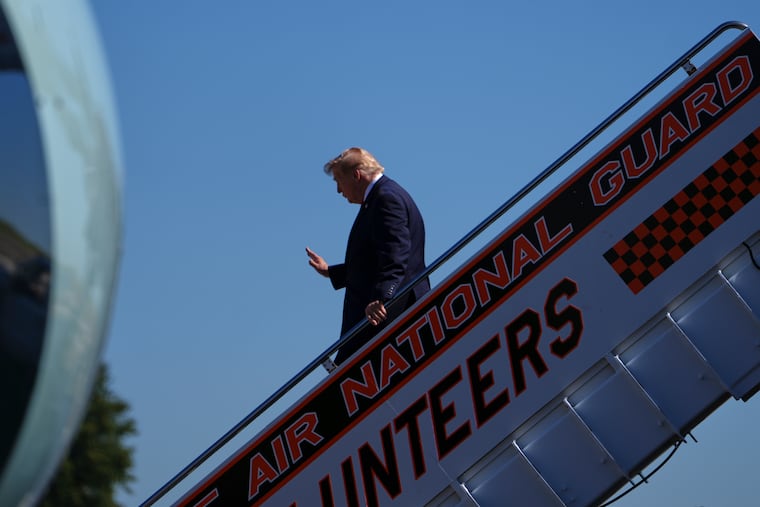
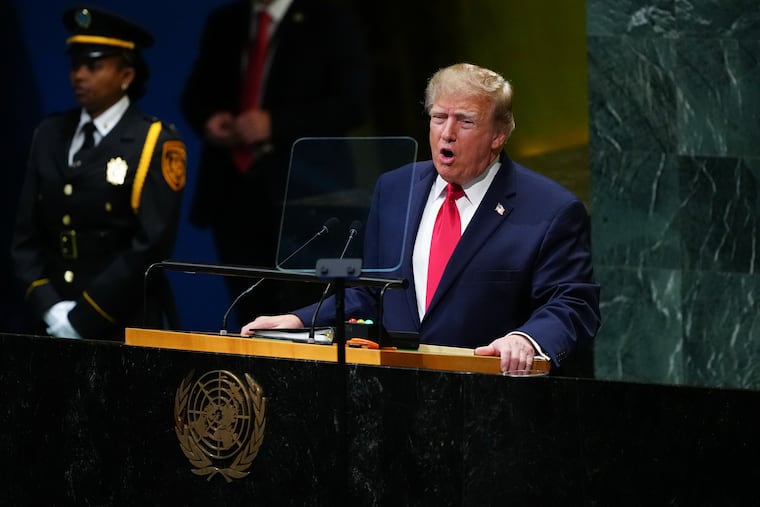
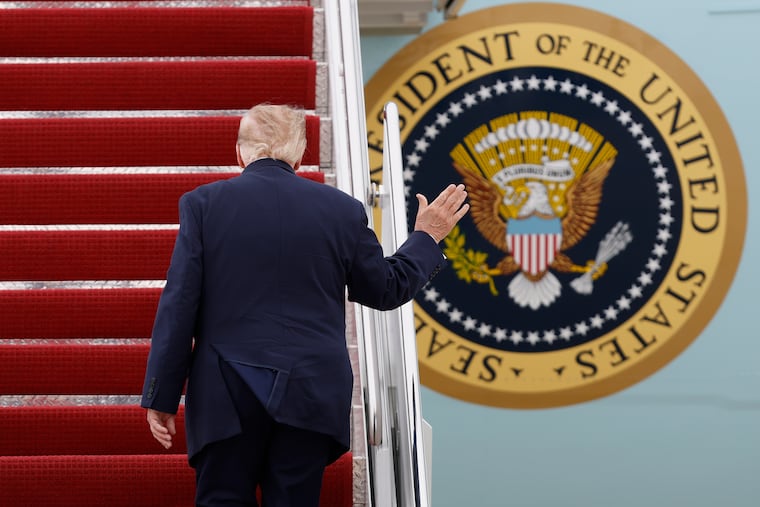
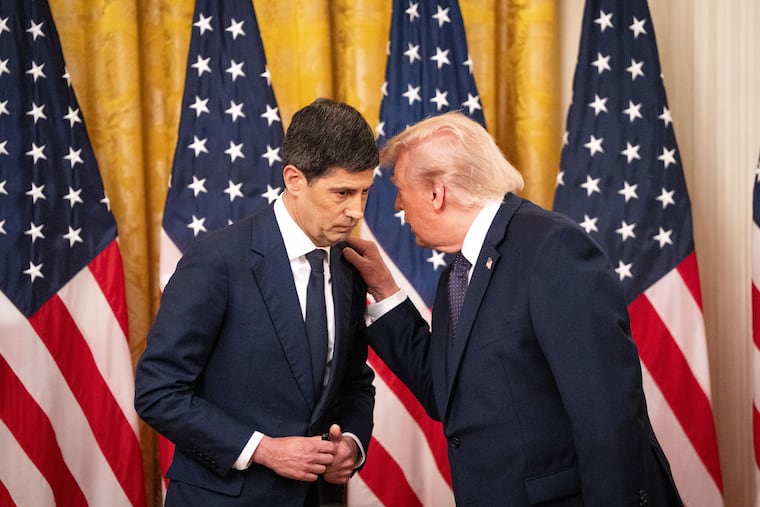
President Donald Trump said Saturday on social media that he had “just approved new Fuel Economy Standards,” adding falsely that President Joe Biden had implemented an “EV mandate.” Transportation Secretary Sean Duffy said in his own social media post that the move would be announced Monday.
The final rule from the Transportation Department is expected to significantly weaken federal mileage standards, which have prodded automakers to increase the fuel efficiency of gasoline-powered cars and to sell more nonpolluting electric models.
The proposed rule, issued in December, required automakers to achieve an average fuel efficiency of 34.5 mpg for cars and light trucks in model year 2031, down from the standard of 50.4 mpg set by the Biden administration.
Trump claimed on social media that loosening the mileage standards would lower the price of new cars by thousands of dollars. But Congress already eliminated fines for automakers that don’t meet the standards, rendering the rollback on Monday largely symbolic.
At the same time, drivers across the country have been spending more on gas since the U.S.-Israeli attacks on Iran began in February. The national average price of a gallon of gas was $4.48 on Saturday, according to AAA.
The move Monday would mark the final step in a remarkable retreat from U.S. attempts to counter China’s chokehold on the production of EVs and their batteries.
In February, the Environmental Protection Agency ended all federal limits on planet-warming pollution from cars. Last year, lawmakers also repealed tax credits of up to $7,500 for buyers of new electric cars and blocked California from setting its own stricter limits on automobile pollution.
When Congress ended the fines for failing to meet the mileage standards, it already saved automakers hundreds of millions of dollars. The new announcement could further encourage U.S. car companies to make more big pickup trucks and sport utility vehicles, which tend to generate the most profit in the short term.
But that could threaten their competitiveness in the long run.
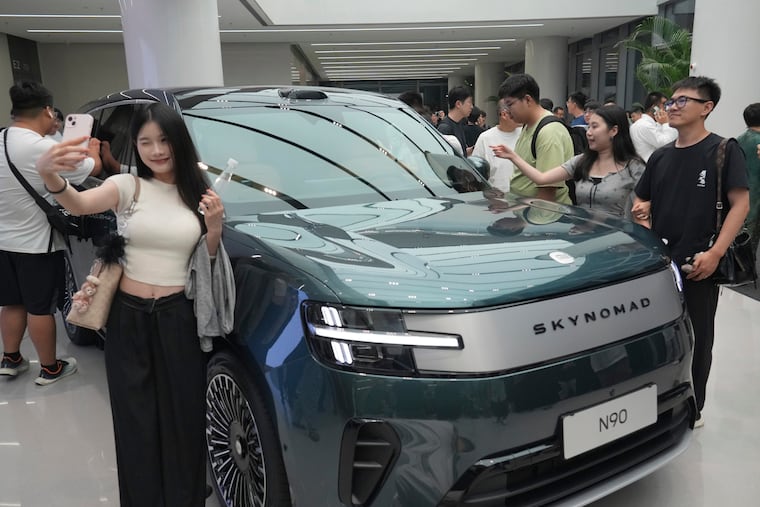
EV sales are growing rapidly in the rest of the world, spurred by concerns about spiking fuel prices amid the war in the Middle East. U.S. carmakers that delay EV development could be left at a significant disadvantage to foreign rivals in the coming years.
Congress created the mileage standards in 1975 in response to an oil embargo by Middle Eastern countries. Since then, automakers have steadily improved the distance that conventional cars can travel on a tank of gas while expanding their electric and hybrid offerings.
Transportation is the country’s largest source of the greenhouse gases, like carbon dioxide, that are warming the planet. The Biden administration strengthened the mileage standards as part of its sweeping strategy for addressing climate change.
But Trump, who has called climate change a “hoax,” made attacks on EVs a mainstay of his campaign to retake the White House. He claimed falsely and repeatedly that Biden’s policies would ban conventional cars and force motorists to go electric.
The Sierra Club, an environmental group, said in a statement Saturday that it planned to challenge the Trump administration’s move in court. It also argued that the decision would raise fuel costs when affordability is a top concern for many voters.
“Americans need relief from high costs, but instead Trump is giving automakers a free pass on pollution and handing families the bill — at the pump and with their health,” said Katherine Garcia, director of the group’s Clean Transportation for All campaign. “The Sierra Club will fight this senseless rollback every step of the way.”
Representatives for the Alliance for Automotive Innovation, a lobbying group for most major carmakers, did not immediately comment on the plan. The group previously argued that the Biden administration’s rules were difficult for many members to meet.
This article originally appeared in the New York Times.