Atlantic City’s top cannabis official was charged in a scheme to solicit bribes from a weed business
Kashawn “Kash” McKinley helped a would-be dispensary owner fast-track their licenses in exchange for cash and weed samples, federal prosecutors say.
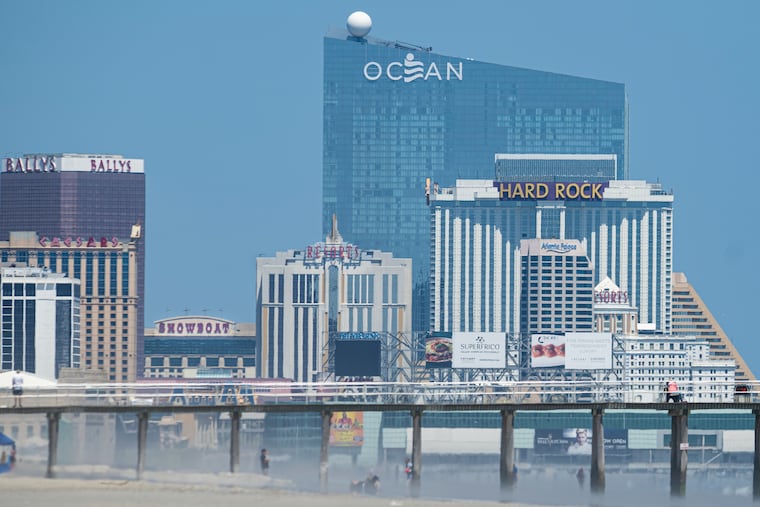
Atlantic City’s top cannabis official is facing federal charges for a scheme to solicit cash bribes from a dispensary owner in exchange for fast-tracking their license and avoiding city fees.
Kashawn “Kash” McKinley, 42, commonly referred to as “A.C.’s Weed Czar” for his role overseeing the city’s legal marijuana industry, was charged with honest services fraud and two counts of soliciting bribes, U.S. Attorney in New Jersey Robert Frazer announced Thursday.
In a statement, Atlantic City officials said that Mayor Marty Small Sr. had been apprised of the case and McKinley had been suspended without pay pending the outcome of the case. Small “believes in the justice system, and Kashawn McKinley is innocent until proven guilty, like any other American,” according to the statement, and promised transparency around the proceedings.
A public defender assigned to McKinley declined to comment.
As the director of Atlantic City’s constituent services, McKinley solicited more than $20,000 in cash and marijuana from the cannabis business owner, according to federal prosecutors. In exchange, McKinley assisted the owner, who was not identified by the U.S. Attorney’s office, in opening a dispensary and resolving certain fees owed to Atlantic City.
The would-be dispensary owner contacted McKinley in late 2022 for guidance on opening a cannabis business in Atlantic City, prosecutors said. At McKinley’s direction, the duo first met in a parking lot of a defunct Atlantic City restaurant where McKinley would tell the owner that in exchange for $20,000 he could “help” resolve any issues with opening the dispensary in town, according to prosecutors.
“We all need to eat,” McKinley allegedly told the dispensary owner at the time.
The dispensary owner would go on to pay McKinley the $20,000 over the next few months in two installments. Soon after, the owner’s license was approved by the local oversight board, where McKinley is a member.
Two years after opening, the dispensary owner contacted McKinley in 2025 about the more than $25,000 in fees and taxes the owner owed to Atlantic City for operating the dispensary.
Prosecutors say that McKinley’s solution to the fees was to reclassify the dispensary from a standard mercantile license down to a “micro” license, which would result in the business only needing to pay $2,500 in annual fees and taxes.
As part of the reclassification scheme, McKinley allegedly directed the dispensary owner to orchestrate the assault of a person who McKinley said was “disrespecting” another public official. When McKinley was later shown what prosecutors say appeared to be a photograph of the injured victim, McKinley allegedly “expressed pleasure” and assured the dispensary owner that they “don’t have to worry about nothing” in relation to the disputed city fees.
Throughout McKinley and the dispensary owner’s exchanges, the weed official would ask for “care packages,” which prosecutors believe to mean bribe payments and samples of weed.
Since McKinley and the owner were able to reclassify the dispensary down to a micro business license in January , the owner was owed a $25,000 refund from Atlantic City for previously paying the standard license fees. McKinley requested half of that refund from the dispensary owner, according to prosecutors. In March, the dispensary owner gave McKinley a $6,000 kickback from the refund, prosecutors said.
McKinley’s fraud charge carries a maximum sentence of 20 years in prison, and a fine of up to $250,000. Each bribery charge carries a 10-year maximum prison sentence, and a fine of up to $250,000.