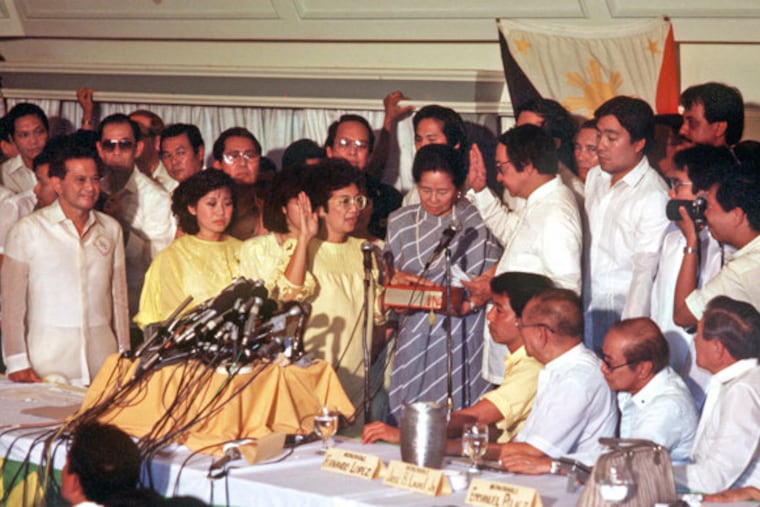
People Power: The Philippines EDSA Revolution of 1986
On Feb. 25, 1986 Corazon "Cory" Aquino became the 11th President of the Republic of the Philippines, after millions of Filipinos took to the streets in a “People Power" revolution (also known as the EDSA Revolution). The nonviolent revolution led to the departure of President Ferdinand Marcos, and was seen as a model for similar uprisings that occurred around the world in the following years, from the occupation of Tiananmen Square to the Fall of Communism and the Arab Spring. The B&W images are the original prints - developed in a hotel bathroom converted into a darkroom - transmitted back to the Inquirer by staff photographer Tom Gralish in January and February of 1986.



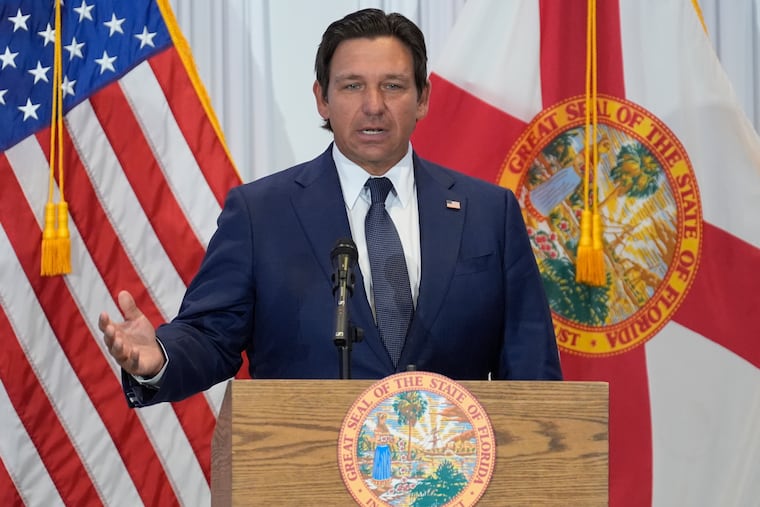
Nancy Cook, Washington Post
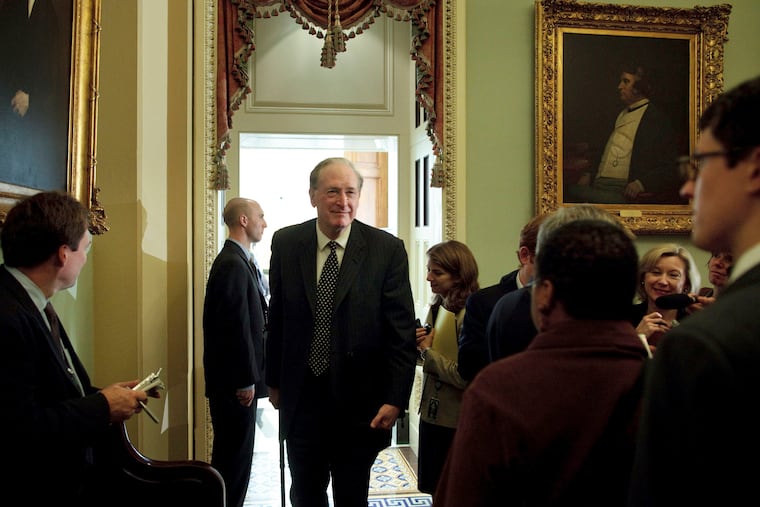
Robert D. McFadden, New York Times
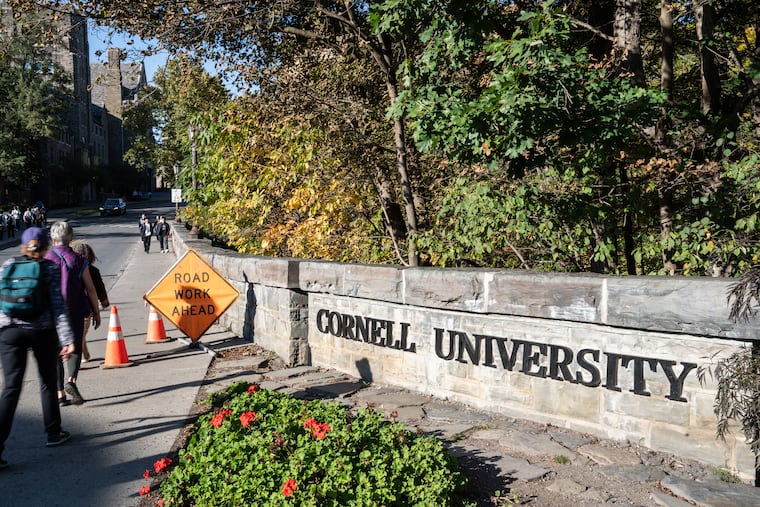
Leah Willingham, Associated Press
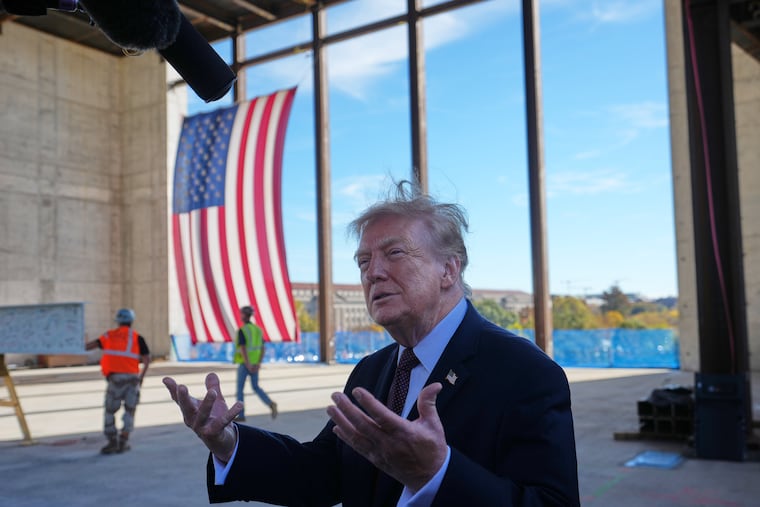
Will Weissert, Gary Fields, and Lisa Mascaro, Associated Press
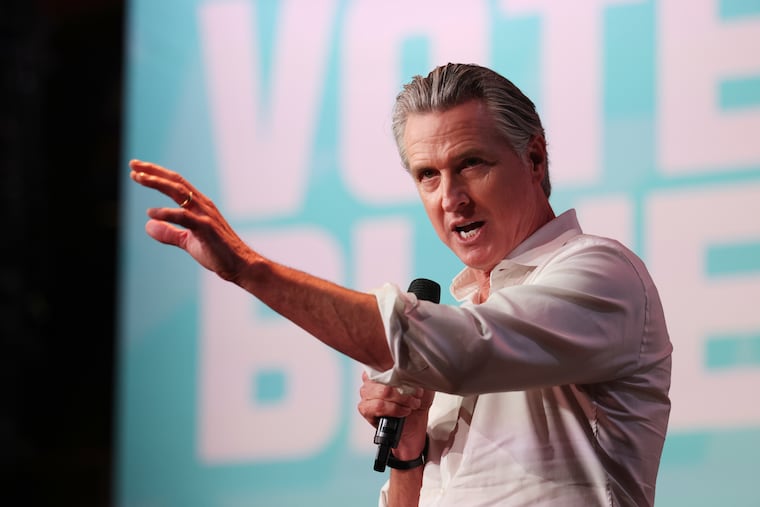
Sophie Austin, Jaimie Ding, and Christopher Weber, Associated Press
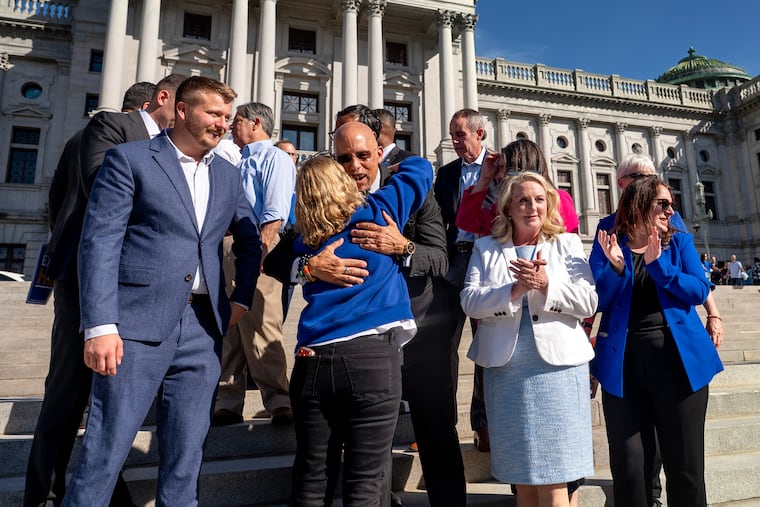
Ben Conarck, Washington Post
Aya Diab and Alanna Durkin Richer, Associated Press
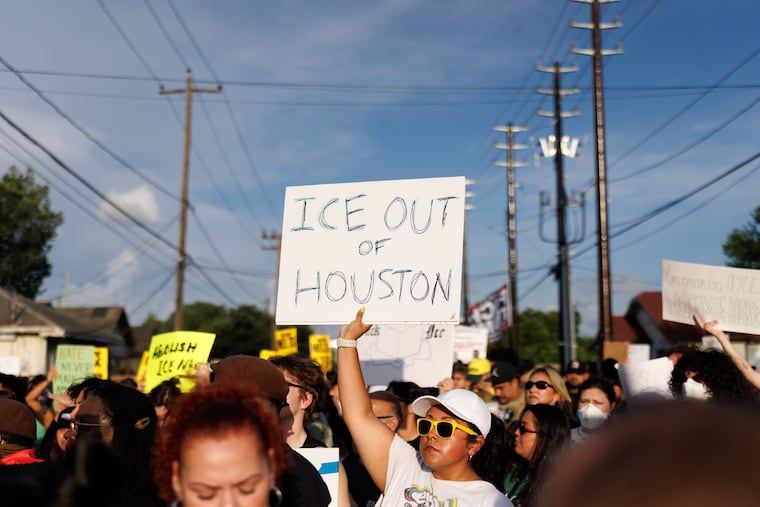
Lekan Oyekanmi, Anna Wilder, and Valerie Gonazlez, Associated Press
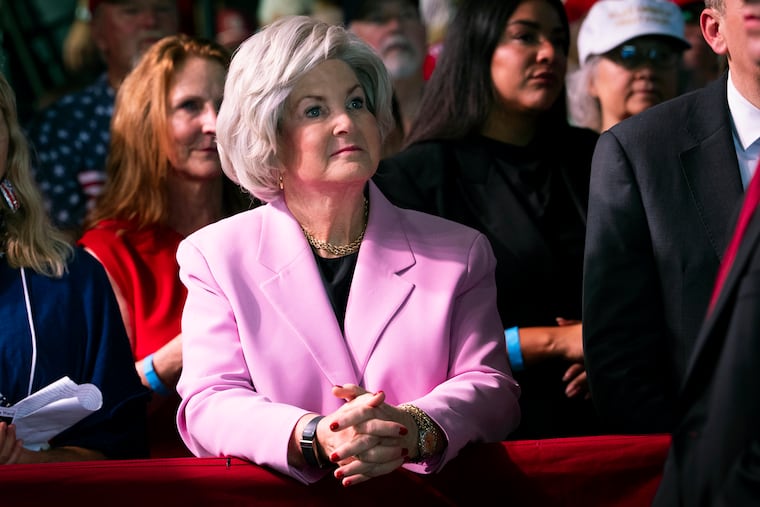
Maggie Haberman, Jonathan Swan, and Tyler Pager, New York Times
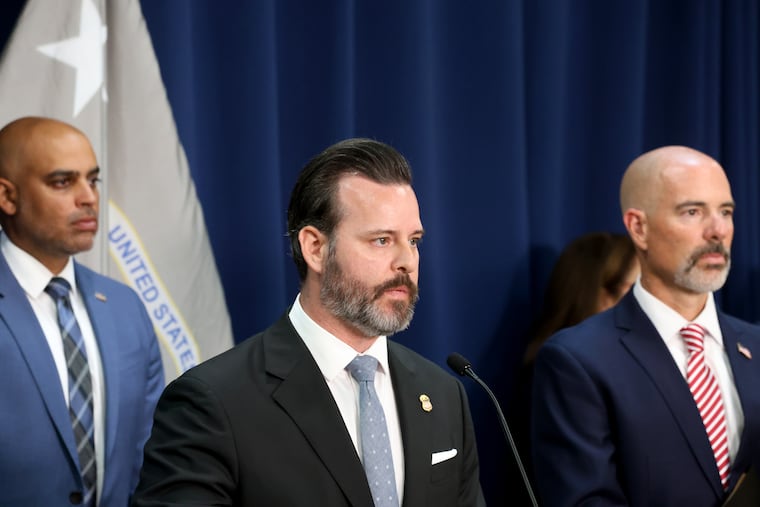
Devlin Barrett, Glenn Thrush, and Alan Feuer, New York Times

Dear Abby, Inquirer wire services


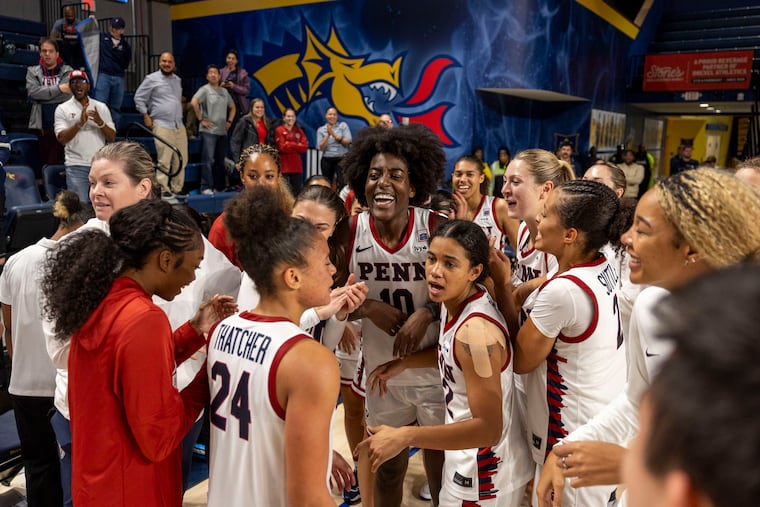
Hannah Chang