Trump taps Stephen Miller as new White House chief of staff
Susie Wiles, the first woman to hold the top staff job in the West Wing, will be replaced by the architect of Trump's mass deportation policy.
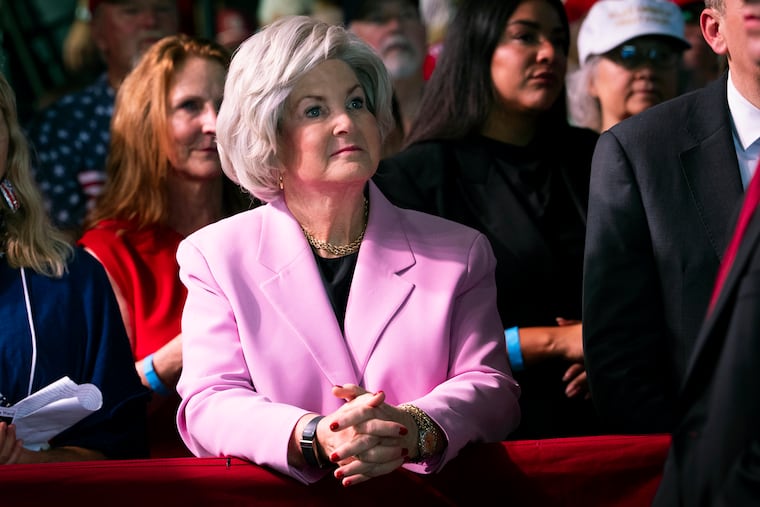
Susie Wiles is leaving as White House chief of staff after sweeping Republican losses in the midterm elections and will be replaced by Stephen Miller, the powerful domestic policy adviser who has helped drive the administration’s immigration crackdown, President Donald Trump announced Friday.
Wiles’ departure and the ascent of Miller will fundamentally shift the circle of advisers around Trump as the White House absorbs the shock of the midterm elections.
Wiles, the first woman to hold the top staff job in the West Wing, helped steer Trump to his election victory in 2024, playing a central role in his return to power four years after his loss to Joe Biden.
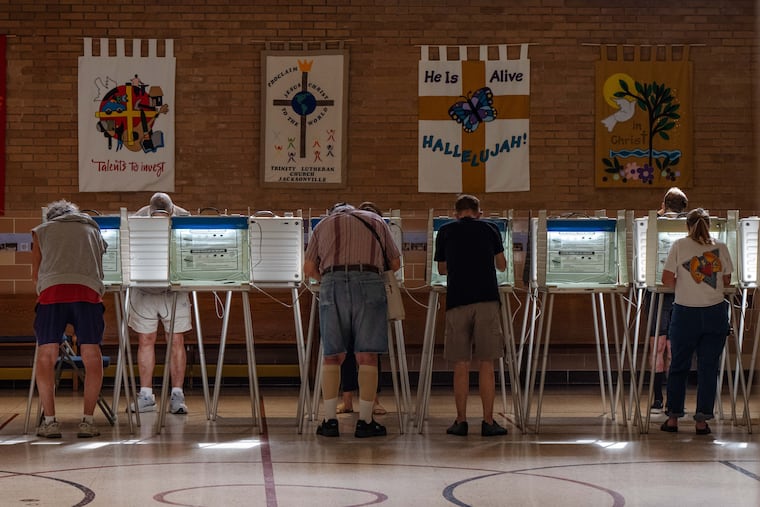
She is the highest-ranking White House official to leave in the wake of the midterm elections, which resulted in the loss of Republican majorities in the House and Senate and served as a rebuke of Trump’s handling of the economy and the war with Iran.
The Republican wipeout has inflamed tensions within the administration, as officials brace for congressional investigations by Democrats and further turnover in the West Wing and the cabinet.
Wiles came into the job having established a rapport with Trump and a level of trust that none of his four first-term chiefs of staff had enjoyed.
Unlike some of Trump’s previous chiefs of staff, Wiles made clear she did not consider her job as trying to fundamentally change the president. But she tried to influence his decisions on core issues including his immigration crackdown, even if only on the margins, according to people with knowledge of her role. She pushed for the appointments of Secretary of State Marco Rubio and Treasury Secretary Scott Bessent, and both have been seen by many outside the government as stabilizing figures.
During Wiles’ tenure, the president pushed the boundaries of executive power, using the levers of his government to punish his enemies, challenge the courts, and target journalists.
Since Trump’s decision in February to take the United States to war with Iran, the administration has struggled to respond to the conflict’s economic and political effects, including spiking fuel prices.
Trump has publicly expressed his confidence in Wiles in recent months. But behind the scenes, there were signs that her standing with the president was shaky, according to officials with knowledge of the dynamics.
Trump began cutting Wiles out of hiring decisions, including when he chose an inexperienced television pundit to replace press secretary Karoline Leavitt.
And Trump began to criticize his chief of staff in front of other staff members, including over decisions he had approved, according to people familiar with his remarks.
After the elections, Trump made it clear to some advisers that he was unhappy with Wiles and his political team, who persuaded him to sign off on his super political action committee spending $400 million to help Republicans in the midterms. The president had been reluctant to approve the spending and agreed to it only in September.
To Wiles’ supporters, the criticism of her was an effort to assign blame for a political strategy largely driven by Trump. They blamed her detractors inside and outside the administration for spreading information meant to undercut her with Trump, including stories about her daughter’s lobbying work.
Wiles was diagnosed with breast cancer in early 2026. She stayed in her role as she started treatment and recently announced that she was cancer-free.
This article originally appeared in the New York Times.