What Josh Shapiro’s big win says about his prospects for president in 2028
The governor sailed to a second term amid a wave of Democratic successes — and further fueled speculation about a presidential bid.
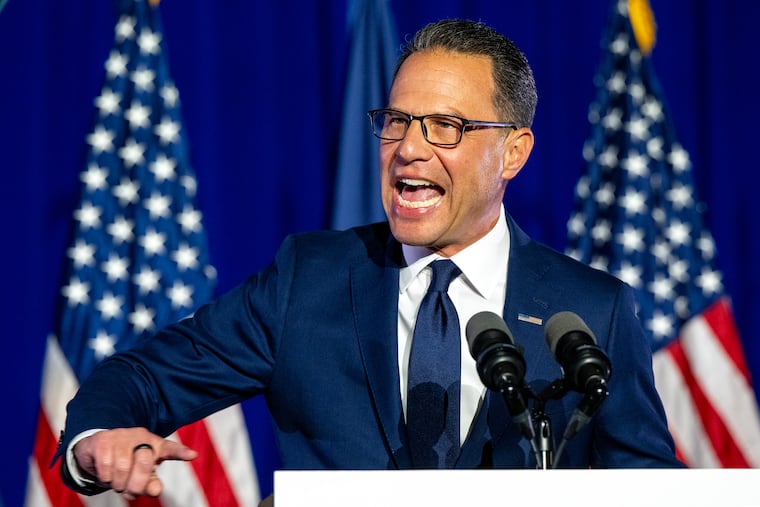
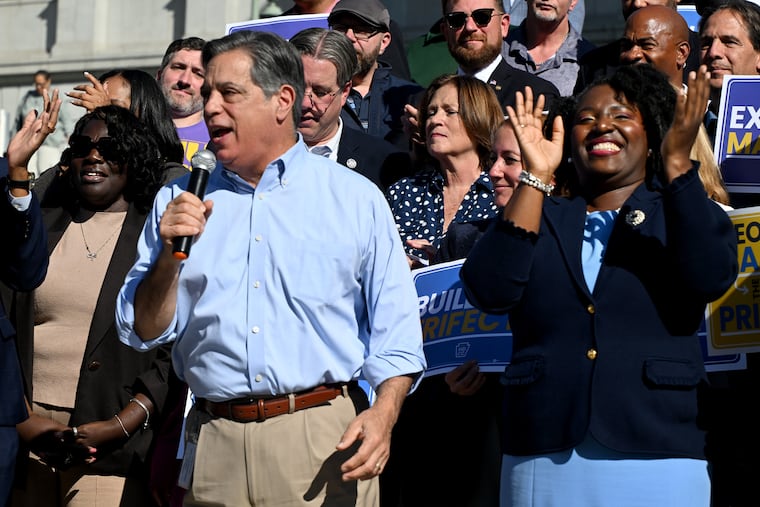
The polls had just closed across Pennsylvania, and Gov. Josh Shapiro was still helping his son fasten his tie in the governor’s mansion in Harrisburg when they learned the race had already been called. Shapiro told him he could ditch the tie, and they ran downstairs to celebrate his resounding reelection victory.
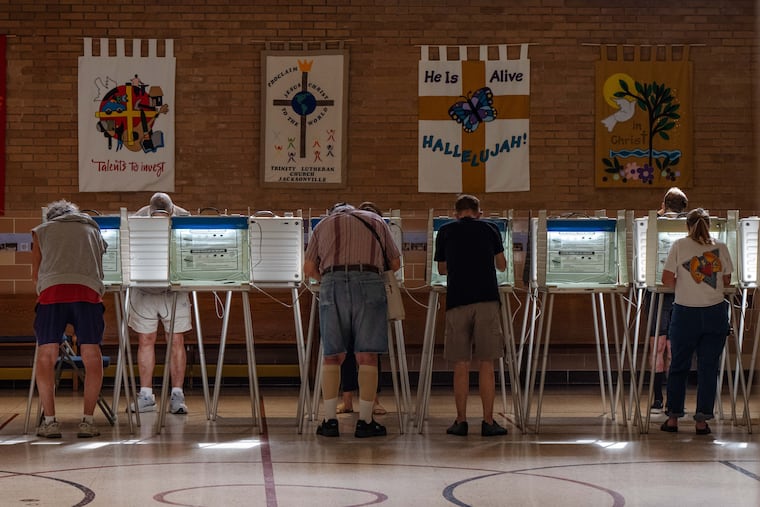
The good news would just keep coming for Shapiro and other Democrats as the night went on: The party flipped the U.S. Senate and the U.S. House, won Pennsylvania’s state Senate for the first time in decades, and expanded its narrow majority in the state House by nine seats.
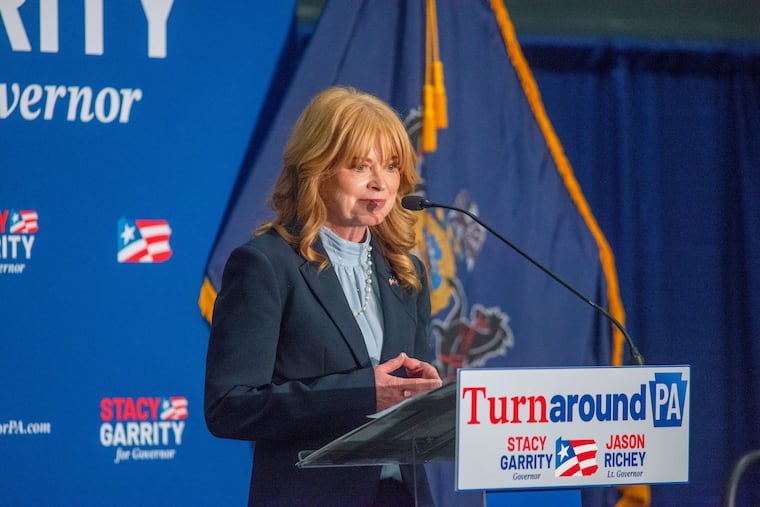
National Democrats will now begin evaluating who should lead the party into a post-Trump era as their next nominee for president. And Shapiro’s overwhelming 22-percentage-point, 1.1 million-vote margin of victory over GOP challenger Stacy Garrity in the nation’s quintessential battleground state puts him in that conversation. (Shapiro, too, is reportedly having conversations. Since Tuesday, according to national outlets, he has been on the phone with Democratic kingmakers, including U.S. Rep. Jim Clyburn of South Carolina and former President Joe Biden.)
Shapiro won 10 counties that had gone for President Donald Trump just two years earlier, including Bucks County. He was the second Democrat ever to win Lancaster County. (The late Bob Casey Sr., a popular antiabortion Democrat, was the first when he was reelected in 1990.) He also flipped back Western Pennsylvania counties like Washington and Beaver that have reddened since Trump was first elected in 2016 but had been longtime Democratic strongholds before that. And Shapiro outperformed his 2022 gubernatorial win in 65 of Pennsylvania’s 67 counties, according to an Inquirer analysis.
» READ MORE: Why Josh Shapiro put himself on the line for the midterms — but still won’t talk about 2028
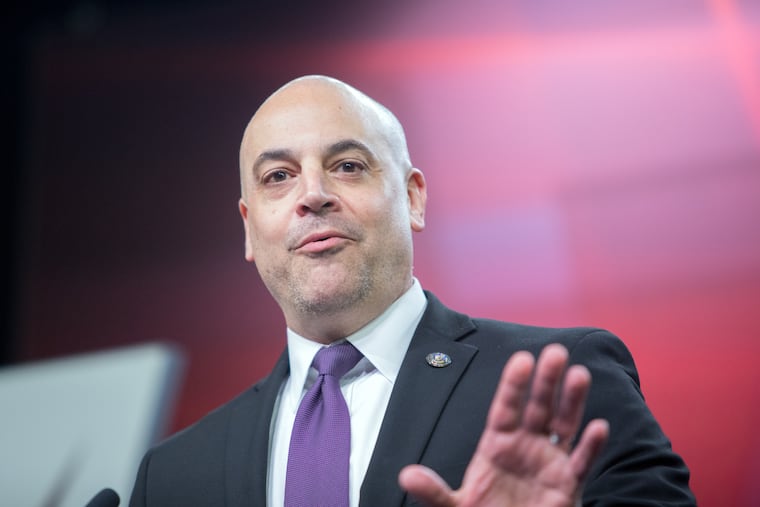
But it is Shapiro’s other victory from Tuesday — how he helped other Democrats win up and down the ballot in Pennsylvania — that could help him surge as a prospective 2028 candidate, said Stephen Medvic, a pollster and political science professor at Franklin and Marshall College.
Shapiro staked his reputation in the midterms on flipping four U.S. House seats and the state Senate, investing more than $10 million to shore up the state party and state-level races. He started a federal political action committee to raise funds and contribute directly to the four U.S. House candidates — a tool he could also use to fund a presidential campaign. (He will continue using the PAC, he said Thursday, to invest in federal candidates “here in Pennsylvania and beyond.”)
The gamble paid off, and Democrats won in all of those races.
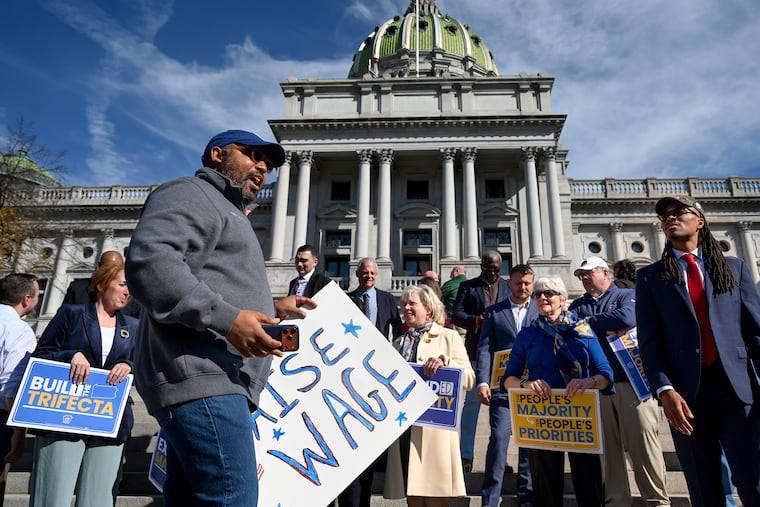
In an interview Thursday, Shapiro again demurred on whether he plans to run for president, saying that he had just won reelection 48 hours earlier and that he was focused on setting his legislative agenda for the first Democratic trifecta in Harrisburg since 1993.
But measuring Shapiro’s success in uplifting Pennsylvania Democrats vs. the effect of the national blue wave in a repudiation of Trump is difficult, Medvic noted. And the real challenge for Shapiro and the other Democrats elected Tuesday is still ahead: actually delivering for voters.
“Expectations are going to be pretty high,” Medvic said, adding that Democrats in Harrisburg and Washington will need to clearly communicate what they will be able to accomplish over the next two years.
“People trusted us to now go do this work,” Shapiro said. “We got the keys to the car now. We’ve got to go drive it, drive it steady, drive it forward in a way that makes progress for people.”
The 2028 argument
Shapiro’s midterm success was not all that surprising, Medvic said. Pennsylvania governors are often reelected and outperform their previous margins — although Shapiro’s 2022 margin, with a 15-percentage-point win, was hard to surpass, he added.
In a year where Democrats were successful almost everywhere — from Texas to Kansas to Georgia — it will be a challenge for Shapiro to make the argument that voters were acutely motivated by him.
“I just think [Tuesday’s election] was this much broader, much bigger phenomenon,” Medvic added. “If you can plausibly claim that you had an impact, you had coattails in some of these House races and Senate races, if you claim that effect and people sort of buy it, then it’s real, right?”
“If he’s able to convincingly argue that he really had helped the rest of the ticket, that’s going to make him look like a candidate who can help improve Democrats’ fortunes everywhere,” Medvic said.
Still, Democrats across the country gave Shapiro his flowers for making that difference. From the top Democrat on the state Senate’s campaign arm to other downballot winners, Shapiro was credited for his many campaign contributions, including his efforts on the trail with downballot candidates or his financial contributions.
“Gov. Shapiro put it all out on the field and got this trifecta, and he didn’t have to do that to win his own reelection,” said Montgomery County Commissioner Neil Makhija.
“He could have just sat on $60 million,” Makhija said, referring to Shapiro’s whopping campaign fundraising haul. “Instead, he decided to support these key state Senate races. We’ve expanded the state House majority, and there’s nothing that could be more transformative, depending on how we use the next two years.”
Shapiro thinks he had an impact, too, pointing to the small margins in some of the state Senate races Democrats were able to flip.
“I went on TV for those candidates. I made the case for those candidates. I campaigned across this commonwealth for each of our candidates who had tough races, and they all won,” Shapiro said Thursday. “While certainly there’s real anger with Donald Trump, what’s clear here … is that people have been happy with the work we’ve done and they want to see us get more stuff done.”
And why did the counties that voted for Trump two years ago choose to vote for him?
“I have a long track record of showing up there, listening … treating people with respect, and then delivering for them,” Shapiro said. “Even with this divided government, we still got a lot done, and I delivered for those communities. Too often times, especially people in our party, we ignore a lot of those areas that at the top of the ticket voted for Trump over Biden, or [Hillary] Clinton, or [Kamala] Harris.”
Republicans, for their part, blamed their bludgeoning at the ballot box on Trump’s war in Iran, despite putting forward their “top-tier candidates,” said Senate President Pro Tempore Kim Ward (R., Westmoreland).
“There’s no question the results of this election will have significant consequences for our commonwealth in the form of higher taxes, increased electric rates, power grid challenges, stagnating our energy potential … and government interfering in our personal lives,” Ward added.
Staff writer Anna Orso contributed to this article.