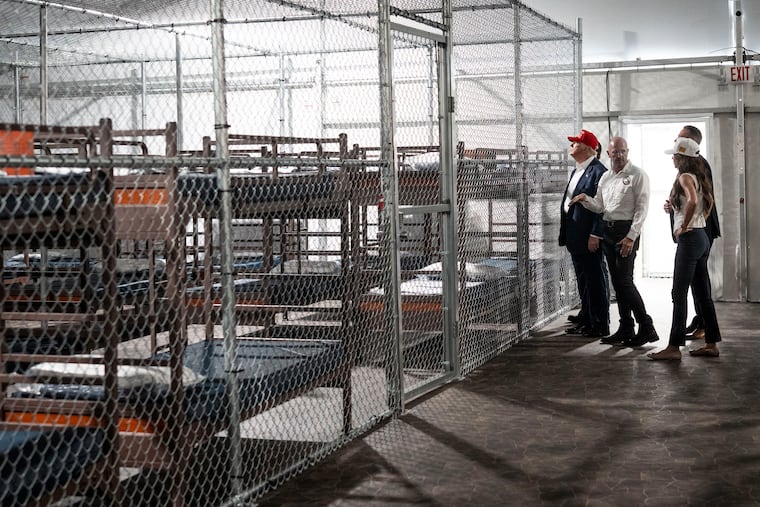
The cramped and crummy condition of the Philadelphia Youth Study Center is well-known. Now, so are procedural and personnel problems in the city's juvenile detention facility.
The findings of a state licensing report painted a troubling picture at the center. The state Department of Public Welfare is right to more closely monitor the situation and downgrade the center's operating license until improvements are made. Also in order is an end to the stalemate on building a replacement.
The 105-bed facility crowds in - make that overcrowds - youths, ages 13 to 20, who broke laws, whose cases are pending in Family Court, or who await placement at other detention facilities. The average stay is eight days.
The center is run by the Philadelphia Department of Human Services. It is set to move to make way for the Barnes Foundation art gallery, but the relocation is in political limbo.
A few stipulations up front: A detention center isn't supposed to be a luxury hotel; the staff there have incredibly difficult, generally thankless jobs; and many of the young people in it aren't exactly the most sympathetic figures.
Juvenile justice systems exist because youths' developmental stage holds promise of moving them away from a life of crime. Treating them like throwaways is more likely to harden their bad behavior than correct it.
The state scrutinized the center for a year. Inspectors found a stench of urine and strewn trash in some rooms, dried sanitary napkins on toilets, mold in an unventilated bathroom, and chipped paint on ceilings and walls.
As many as 60 kids above capacity were stuffed into the center at times. Staff used tactics that injured unruly kids and then didn't report the incidents to the state. Staff also didn't get consent from older children or parents for medical procedures.
The report also noted that only half the population was attending afternoon school classes. Such a captive student body ought to have much better attendance.
An Inquirer series that revealed dangerous flaws at the city's child-protection agency led to a slew of needed changes, mainly in how child abuse and neglect cases are handled. The urgency of resolving those problems does not absolve the agency from properly managing the Youth Study Center.
Acting DHS Commissioner Arthur C. Evans Jr. said changes have been made in response to the report. But the state, which oversees local child-welfare agencies, will have to make sure the changes are adequate and do not fade.
The report highlights the urgency of building a bigger, better facility.
A tentative site in West Philadelphia has been stalled by Councilwoman Jannie Blackwell, who represents that district.
City officials are overdue in looking for a new location. The conditions outlined in the state report make clear there is a high cost to letting Philadelphia politics delay the project longer.